Across hard-water Britain, one unassuming cupboard staple is steadily gaining favour.
Higher prices and more environmentally conscious habits are changing how people clean. Homes are increasingly using food-grade acids to remove chalky residue without strong fragrances or expensive refill products.
Why hard water matters
The hardest water in Britain spans a wide area of the South and East. Every time water is boiled, it leaves calcium carbonate deposits behind. This creates limescale: a hard layer on heating elements, shower heads, taps and glass. It takes the shine off chrome, restricts water flow and may reduce an appliance’s lifespan. Even a slight coating raises energy consumption, as heat passes less efficiently through scale than through metal.
Limescale is calcium carbonate. Mild acids convert it into soluble salts and carbon dioxide, which rinse away easily.
White vinegar is the solution now chosen by many households. Cheap, readily available and sufficiently powerful for routine deposits, it also biodegrades quickly after use. For everyday descaling, it can be effective without the need for specialist cleaners.
How the white vinegar method works
The chemistry in brief
White vinegar usually contains around 5–8% acetic acid. When calcium carbonate meets this acid, it produces calcium acetate, water and carbon dioxide. Small bubbles often appear as the gas is released, showing that the process has started. A warm solution works more quickly, although there is no need to boil it, which can make the smell stronger.
Step-by-step for common appliances
- Kettle: Use a 1:1 mixture of white vinegar and water, filling the kettle until the element is covered. Warm it, switch off before it boils, then leave it for 30–60 minutes. Rinse twice, then boil one full kettle of fresh water.
- Coffee machine: Put the same 1:1 mixture in the tank and run half of it through. Stop the programme for 15 minutes before completing it. Flush the machine with two full tanks of water.
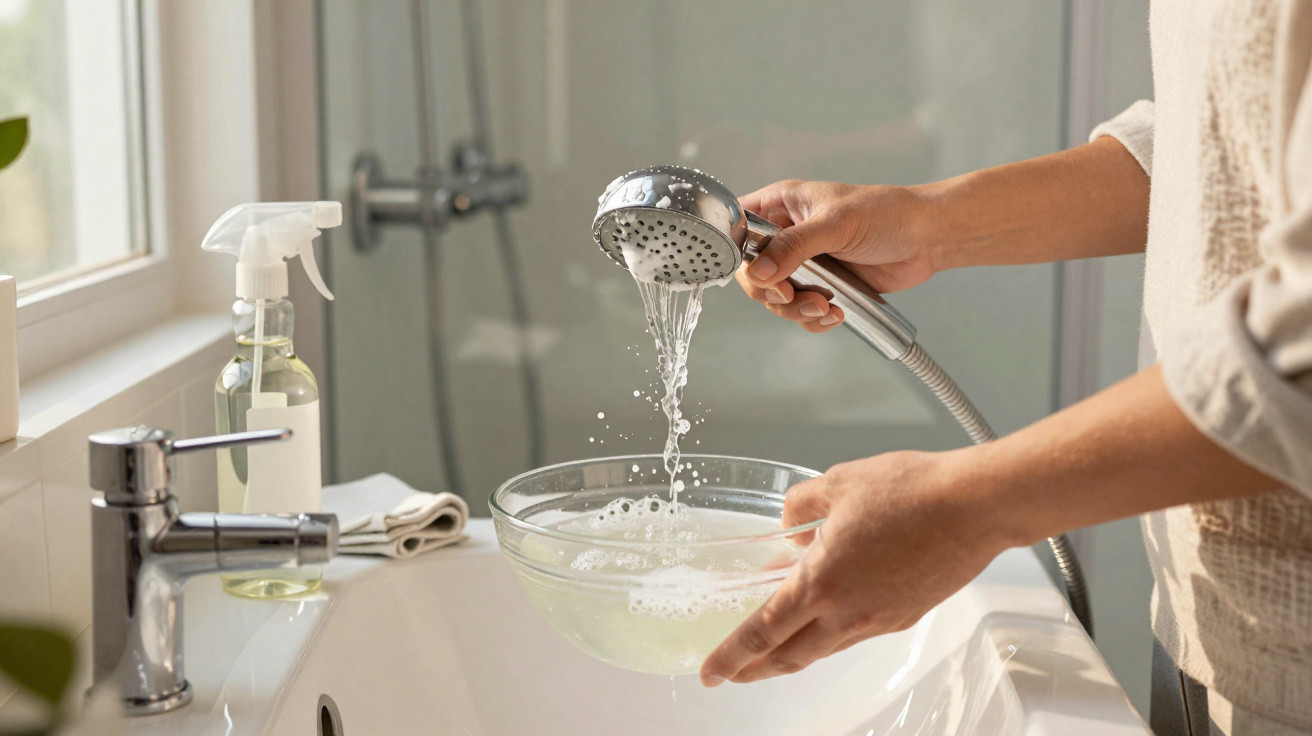
- Shower head: Remove it and soak it in a warm 1:1 solution for 1–2 hours. Use a soft toothbrush on the jets, rinse thoroughly and reinstall it.
- Taps and aerators: Saturate a cloth with vinegar, wrap it around the spout and leave it in place for 30 minutes. Unscrew aerators, soak them separately, then rinse and put them back together.
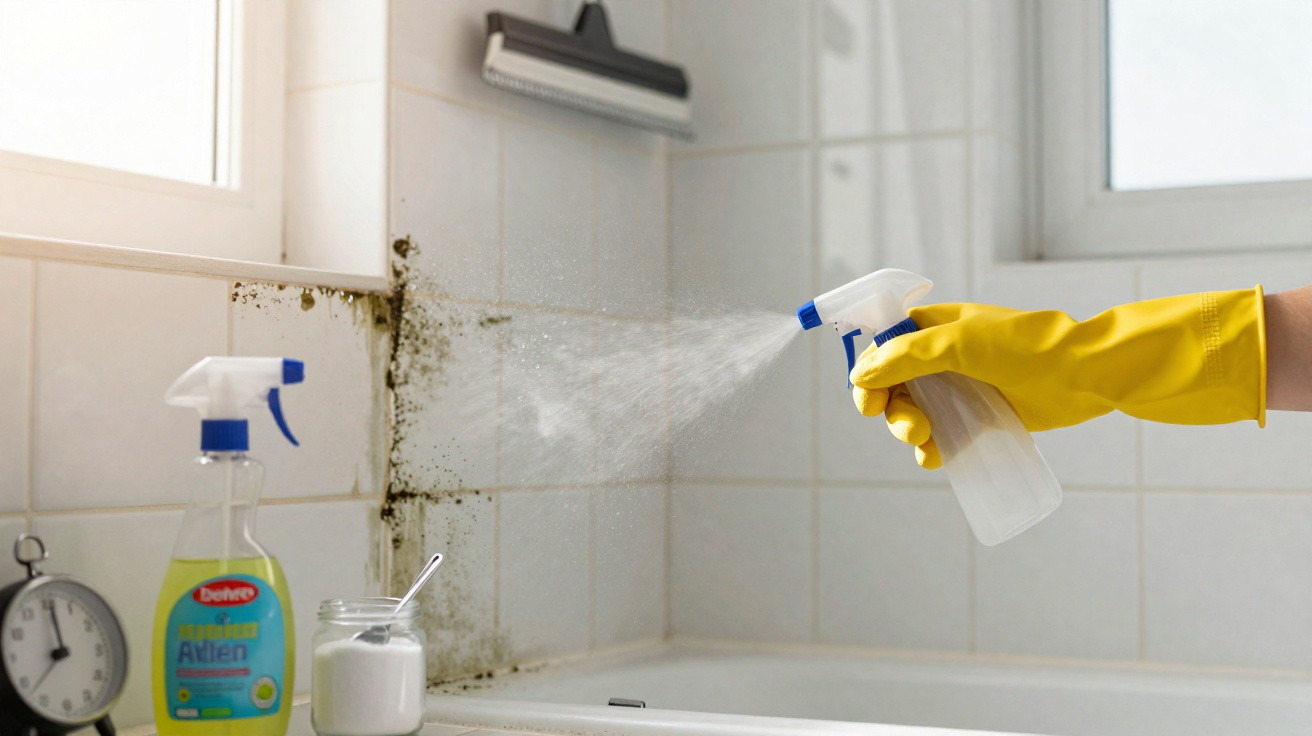
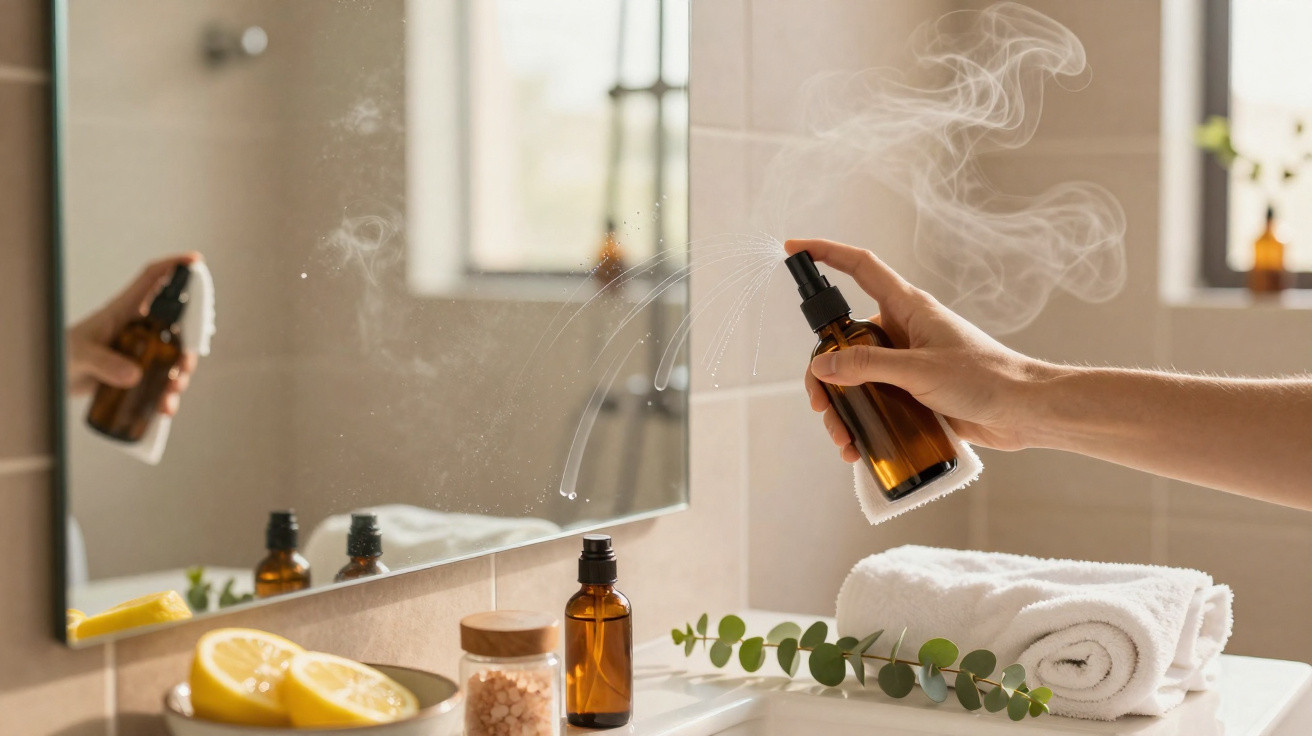
- Shower screens and tiles: Apply a 1:1 solution with a spray bottle, wait 10 minutes and wipe using a non-scratch pad. Using a squeegee after every shower will slow down fresh deposits.
Do not mix vinegar with bleach or products that contain chlorine. The reaction can release dangerous gases.
When vinegar is not ideal
Surfaces to avoid
Acid may etch natural stone, including marble, limestone and travertine. It can also take the finish off certain cement-based grouts and leave marks on some aluminium surfaces. If in doubt, try it first on an inconspicuous area. For these materials, choose a pH-neutral cleaner and dry the surface after use to reduce spotting.
Heavy buildup or sensitive noses
Established scale can require either a more powerful acid or extra soaking time. Citric acid powder, mixed into warm water at 5–10%, acts more quickly and has a gentler odour. Commercial descalers may suit exceptionally stubborn deposits, particularly within boilers that are difficult to access. Always check and follow the manufacturer’s instructions for coffee machines and steam irons.
| Option | Typical strength | Odour | Speed | Surface risk | Cost |
|---|---|---|---|---|---|
| White vinegar | 5–8% acetic acid | Noticeable | Moderate | High on natural stone | Low |
| Citric acid solution | 5–10% citric acid | Mild | Fast | Moderate on stone | Low to moderate |
| Commercial descaler | Varies (often stronger acids) | Low to mild | Fast | Check label | Moderate to high |
Wider benefits for home and planet
Using acids from the pantry means less plastic waste from dedicated bottles and sachets. It also reduces the amount of perfumes and preservatives washed into drains. A shorter ingredient list brings fewer uncertainties for people with asthma or sensitive skin. When diluted with water, both vinegar and citric acid biodegrade easily.
Energy and budget angles
Kettles and water heaters heat more rapidly when their elements are clean. This cuts both electricity use and waiting time. White vinegar generally costs between 50p and £1 per litre in shops, while many branded descalers cost several pounds for one treatment. Ongoing care can also extend appliance life, helping to prevent substantial replacement bills.
Troubleshooting and pro tips
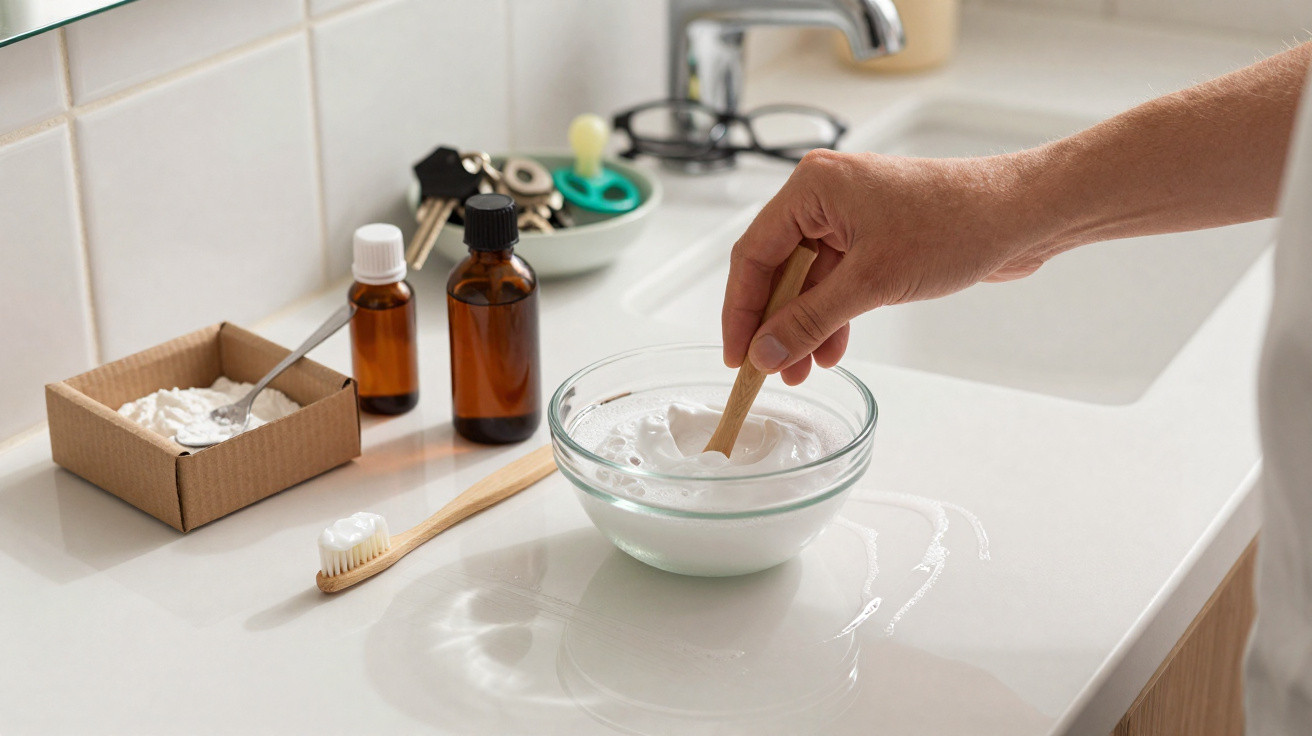
- Lingering odour: Rinse using a teaspoon of bicarbonate of soda dissolved in a litre of warm water, then rinse once more with plain water.
- Patchy results: Try again with a warm solution and leave it in contact for longer. Dense scale comes away in layers.
- Clogged shower jets: Once soaked, carefully clear each jet with a cocktail stick. Avoid pins, as they may widen the openings.
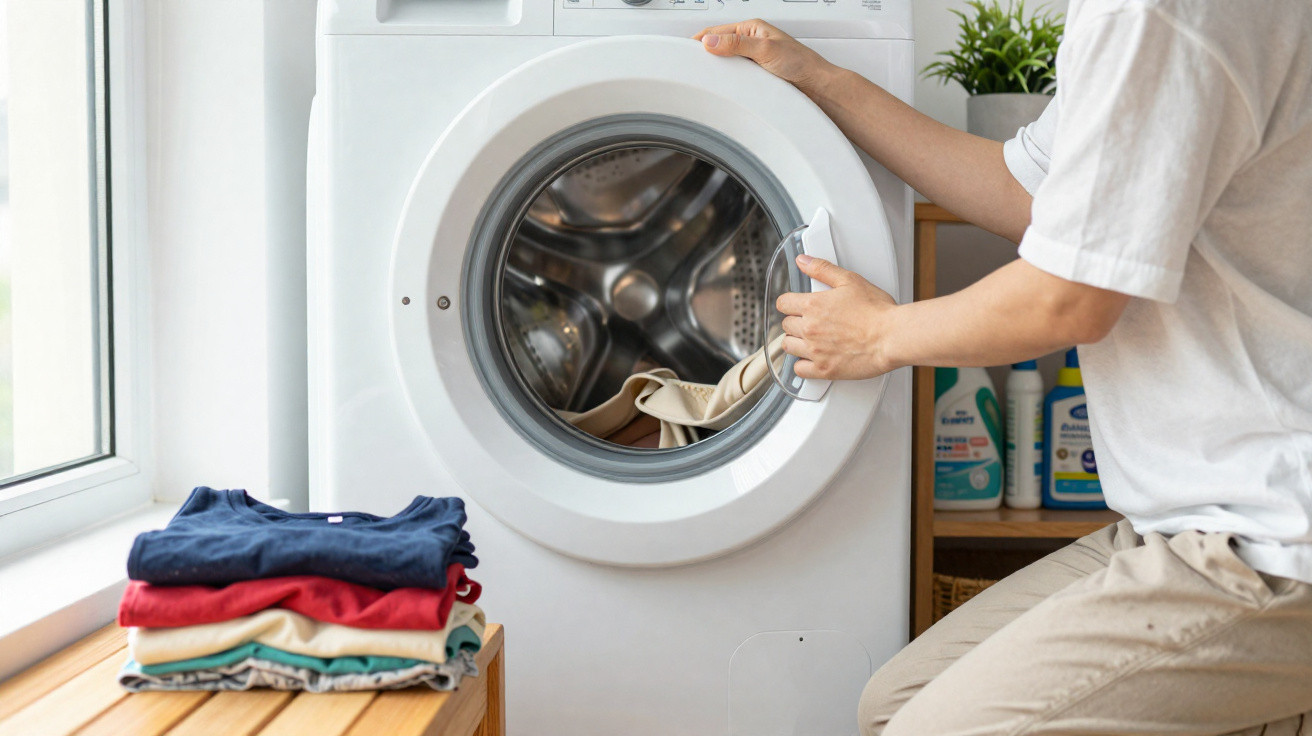
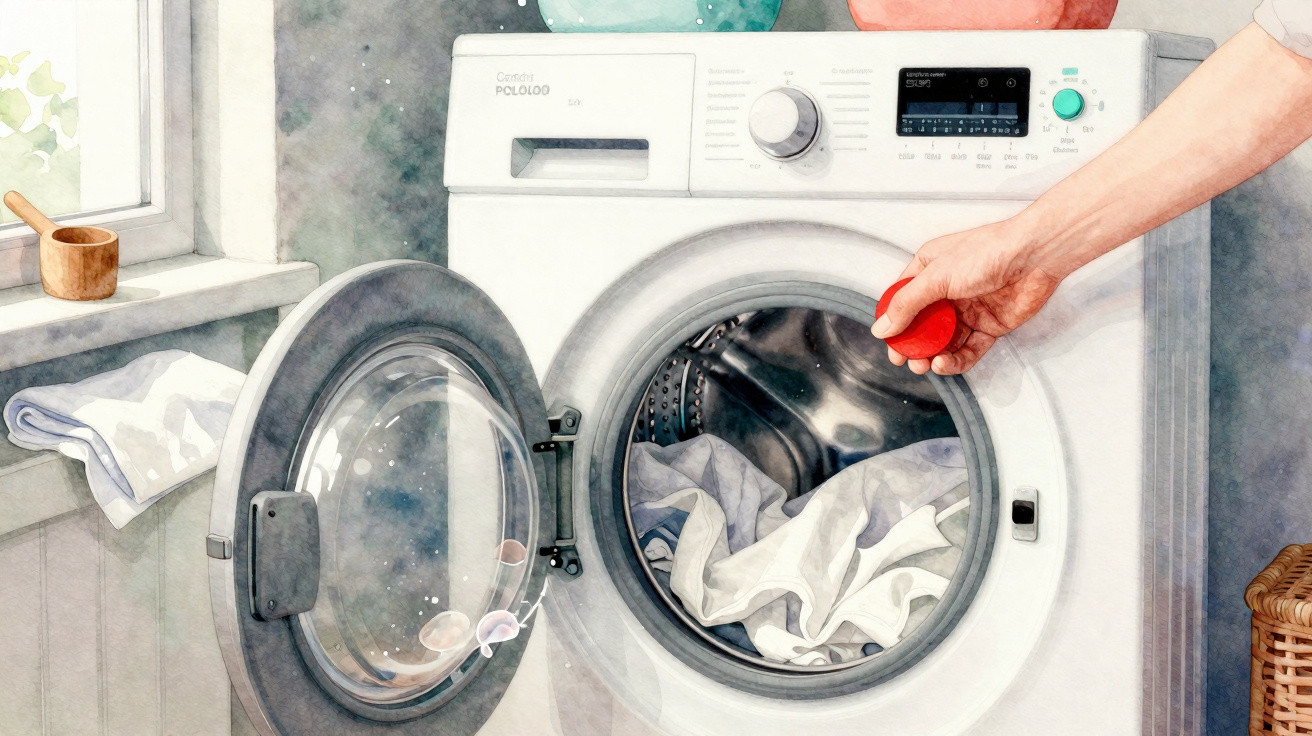
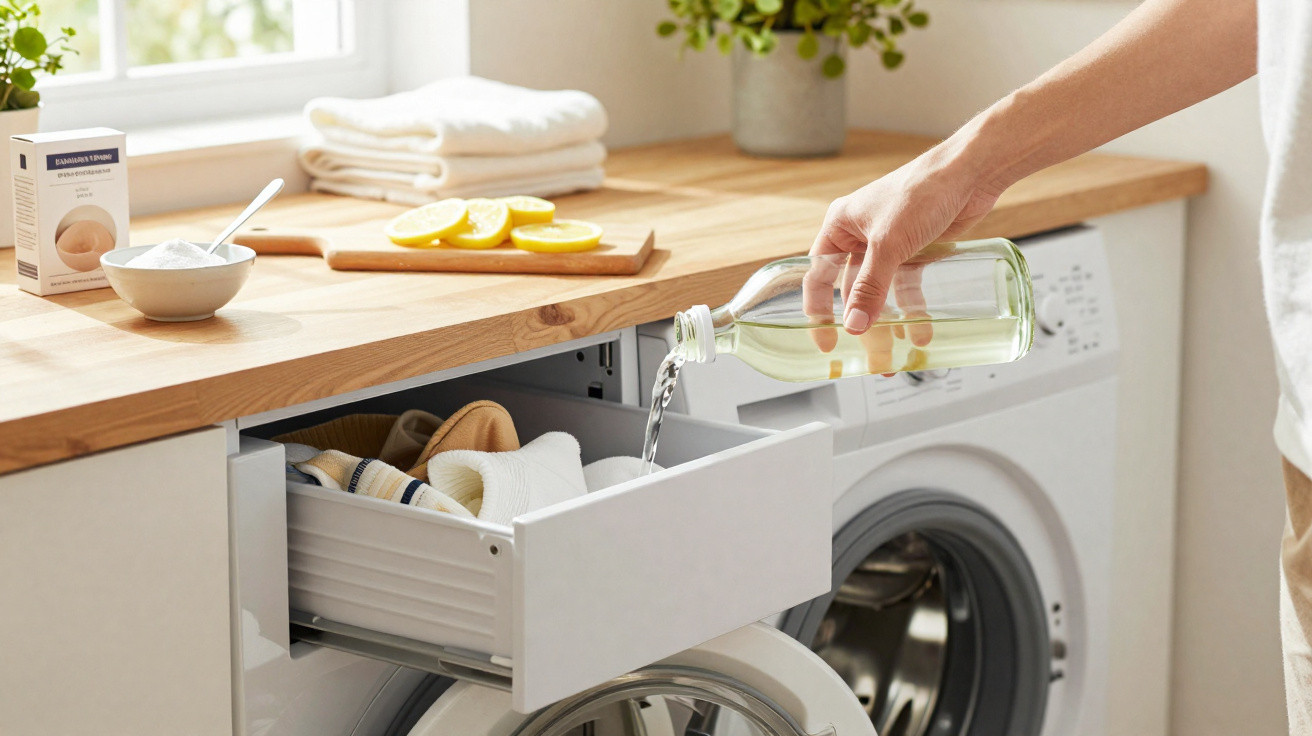
- Washing machine care: To deal with odours and light scale, run an empty 60°C wash with 250 ml vinegar placed in the drum. In hard-water areas, do this every month.
- Dishwasher help: Put a cup of vinegar on the upper rack and run a hot programme. Do not allow it to spill onto uncovered metal components. Refill salt and rinse-aid reservoirs as normal.
Prevention that actually sticks
Wipe fittings dry after use. Just 10 seconds of drying stops minerals settling as the water evaporates. Choose low-cost tap aerators and shower heads made for hard water; many can be twisted apart for easy cleaning. In exceptionally hard-water locations, a cartridge-based softener on the main supply to the hot water system may be worth considering. It tackles scale at the source while also reducing soap use.
How to gauge your water hardness
Signs can include cloudy scum on tea, gritty particles in the kettle and white marks on black tiles. Basic test strips reveal hardness within seconds. Water suppliers also provide postcode-based hardness ranges. At the highest end of the scale, schedule monthly kettle descaling and clean shower heads and taps every quarter.
Safety and practical reminders
- Keep the room ventilated while cleaning.
- Use washing-up gloves if your skin is sensitive.
- Do not combine acids with bleach or ammonia-based cleaners.
- Rinse metal thoroughly to avoid dulling, particularly plated surfaces.
- Keep acids out of children’s reach and clearly label any homemade mixtures.
A little, often, beats a deep clean. Short, regular soaks stop heavy crusts forming and keep energy use steady.
Extra context for curious readers
Citric acid is useful to keep in the cupboard when the smell of vinegar is unwelcome. Sold as a dry powder, it is easy to transport and store. Lemon juice can work as well, but its sugar and pulp may leave residue, making it better for exposed surfaces than the inside of appliances. For kettles with concealed elements, use only clear liquids and do not scrape with metal implements.
Temperature is another maintenance factor that is often missed. Lower-temperature programmes slow rapid limescale formation because fewer minerals precipitate from the water. Use an eco setting where available between occasional hotter cycles. Alongside quick vinegar soaks, this can mean quieter kettles, clearer glass and fewer unexpected failures-modest benefits that build up over a busy week.





Comments
No comments yet. Be the first to comment!
Leave a Comment