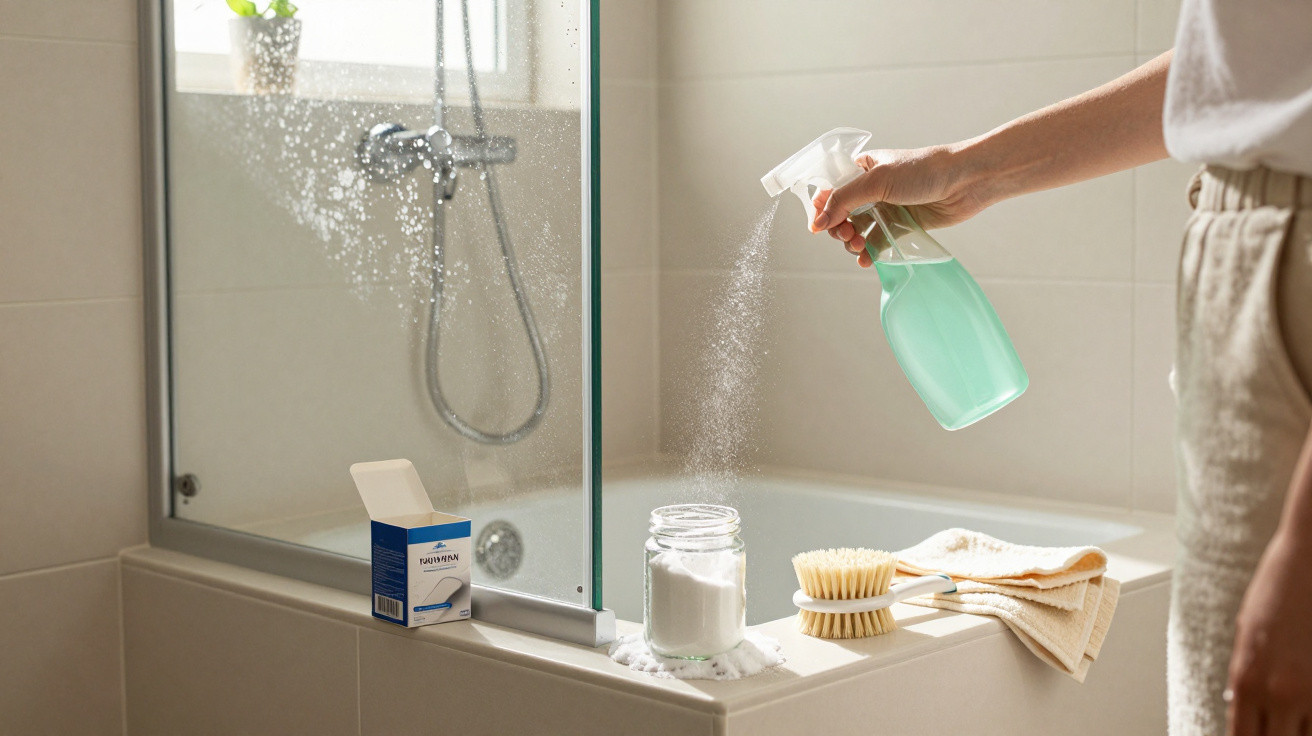
Keeping the most humid room in the home spotless can feel like an exhausting daily challenge. Yet improving airflow and using targeted homemade mixtures can remove sources of contamination as part of daily care, leaving the space completely refreshed.
How can you remove mould built up on damp surfaces?
Moisture collecting on surfaces creates the perfect conditions for harmful microorganisms to multiply. Tackling them helps prevent serious cosmetic damage and improves the home maintenance routine with practical measures that safeguard the rooms’ internal structure.
To achieve lasting results without spending hours scrubbing corners, a few essential measures can make the entire process quicker. Building smart habits provides better upkeep and forms the basis of efficient cleaning and a healthy environment:
- Constant airflow: Opening the windows after use dramatically reduces moisture trapped on the walls.
- Powerful mixture: White vinegar helps break down mineral build-up and stubborn dark marks.
- Preventive action: Drying surfaces immediately after showering prevents fungi from finding the water they need to grow.
What are the best ways to keep a glass shower screen spotless?
Glazed surfaces often develop whitish calcium deposits left by heated water and soap. Choosing suitable products instead of excessive scrubbing keeps the material undamaged, maintains a long-lasting crystal-clear appearance, and greatly streamlines the daily routine.
Regular use of natural acidic solutions removes these mineral layers without harming the glass or triggering unpleasant allergies. This sensible option offers a safe approach to continuous preservation, saves time, and ensures complete household practicality.
In the audiovisual content, the expert demonstrates effective mixtures for disinfecting the home properly without relying on excessive chemical products. To see all the tips on home organisation, watch the material available on TV Aparecida’s YouTube channel:
What should you do to get rid of drain flies?
Small flying insects often emerge from drains because body oils and soap residue build up on the inner pipe walls. Carrying out periodic disinfection removes these breeding sites, ensuring the complete deodorisation of the pipes and maintaining a pleasant atmosphere.
The secret to a sanitised drain
Effervescent action against residue
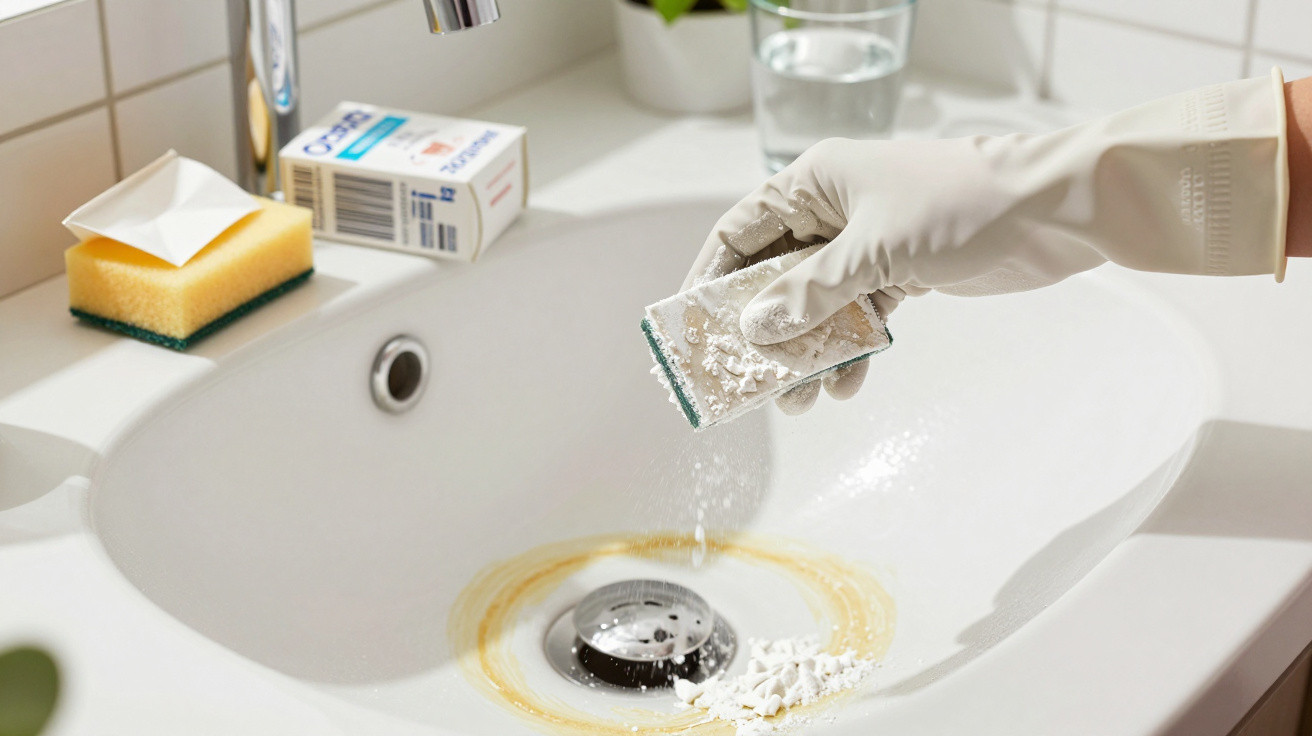
Combining bicarbonate of soda and vinegar produces an effervescent reaction that can loosen organic matter stuck inside the pipes.
Allowing the mixture to work overnight and rinsing it away with hot water the following morning permanently removes larvae and drain flies.
Using this straightforward technique each month helps prevent future blockages and keeps urban pests away without needing highly toxic products. To carry out the process safely, follow the essential steps below for deep action and immediate results:
- Remove the drain cover to access the inside area easily.
- Pour in two tablespoons of bicarbonate of soda, followed by 250 ml of vinegar.
- Leave the solution to act for several hours before the final rinse.
How does bicarbonate of soda transform the household routine?
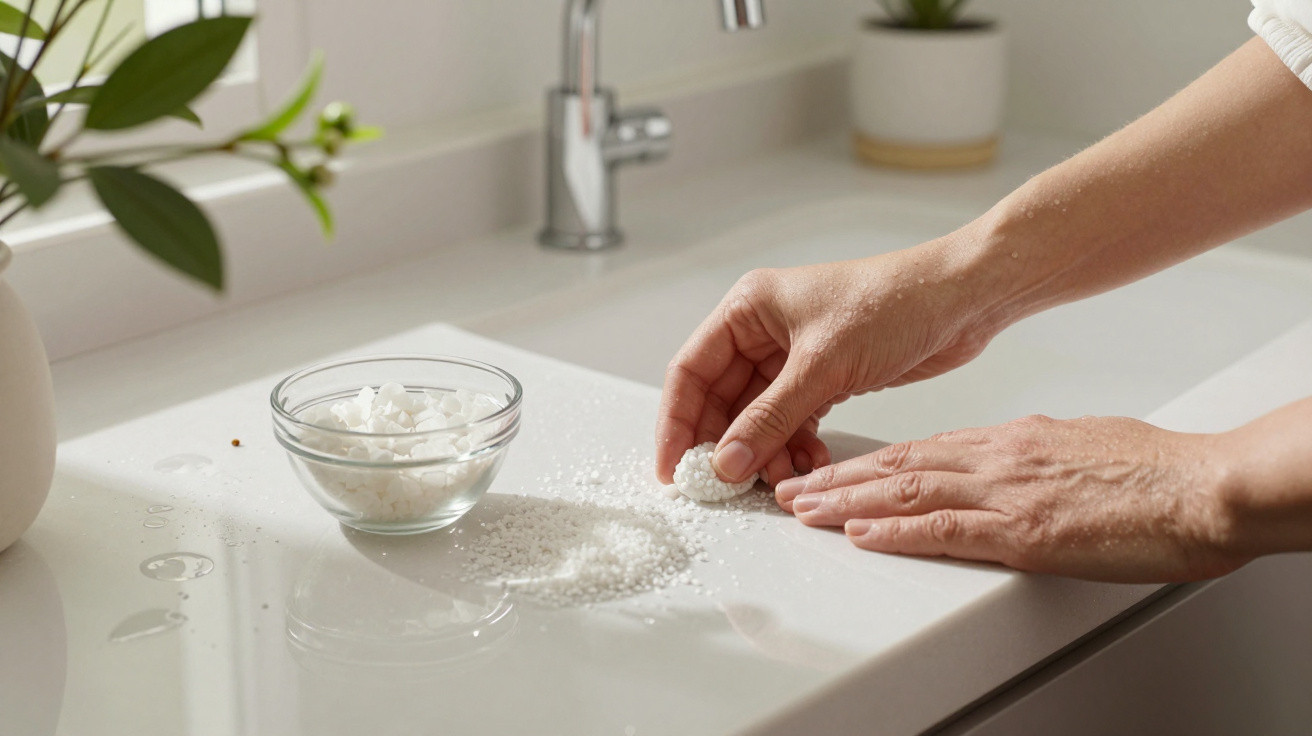
This versatile ingredient works as an excellent deodoriser and mild abrasive, making it suitable for removing tougher dirt without scratching delicate surfaces. Using it thoughtfully avoids the need for numerous hazardous chemical compounds, supporting eco-friendly care and real savings.
As well as improving the cleaning of tiles, this neutral substance remarkably neutralises odours embedded in fabrics. Understanding its main uses makes everyday chores easier, as shown by the applications below for maximum home efficiency and guaranteed protection:
- Sprinkle it over carpets to remove smoke or damp smells.
- Combine it with mild washing-up liquid to clean dirty floors and grout.
- Apply it to the bottom of the toilet bowl to dissolve mineral stains.
How can you optimise the time spent on weekly cleaning?
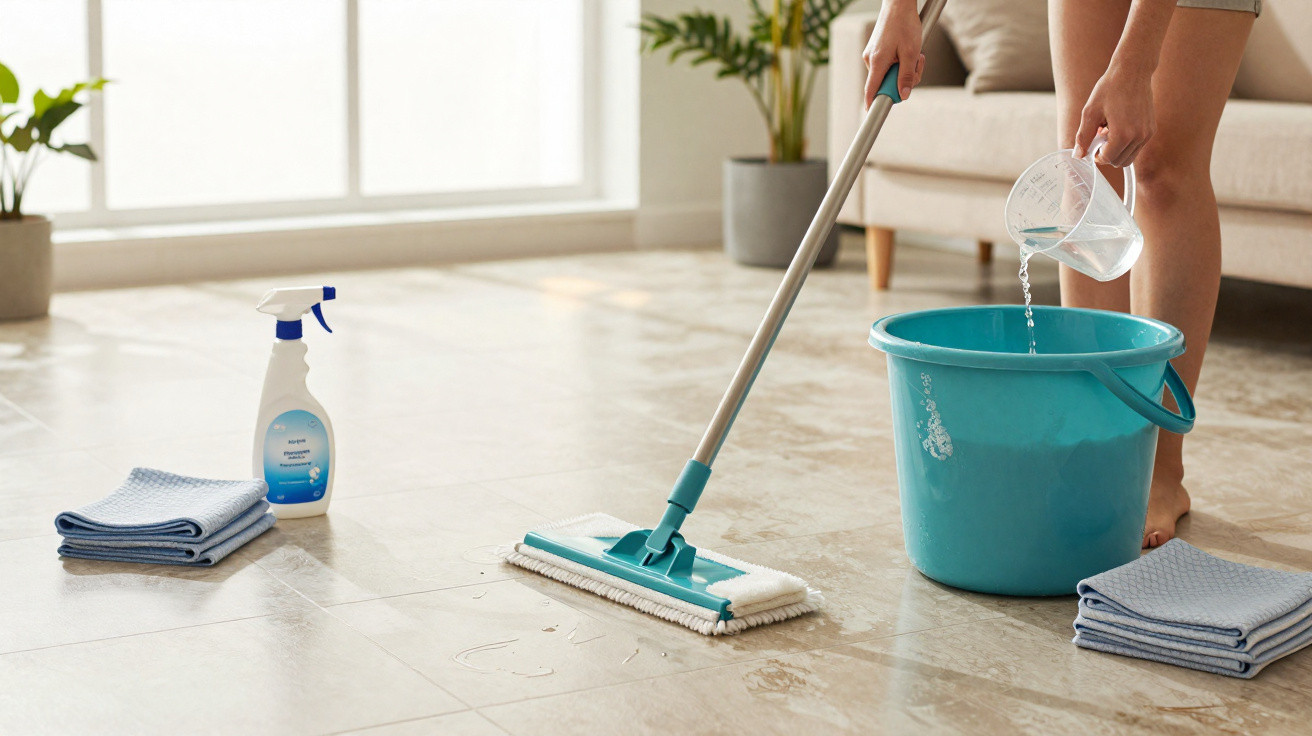
Creating an organised schedule and using differently coloured cloths for each room prevents cross-contamination and speeds up the work. These simple approaches remove the need to repeat tasks, establishing smart time management and delivering greater family comfort.
Finally, keeping natural ventilation active and adopting preventive routines are the real keys to preserving pleasant spaces for much longer. This proactive approach reduces ongoing effort, ensures a healthy home, and completely changes the everyday home experience.


Comments
No comments yet. Be the first to comment!
Leave a Comment