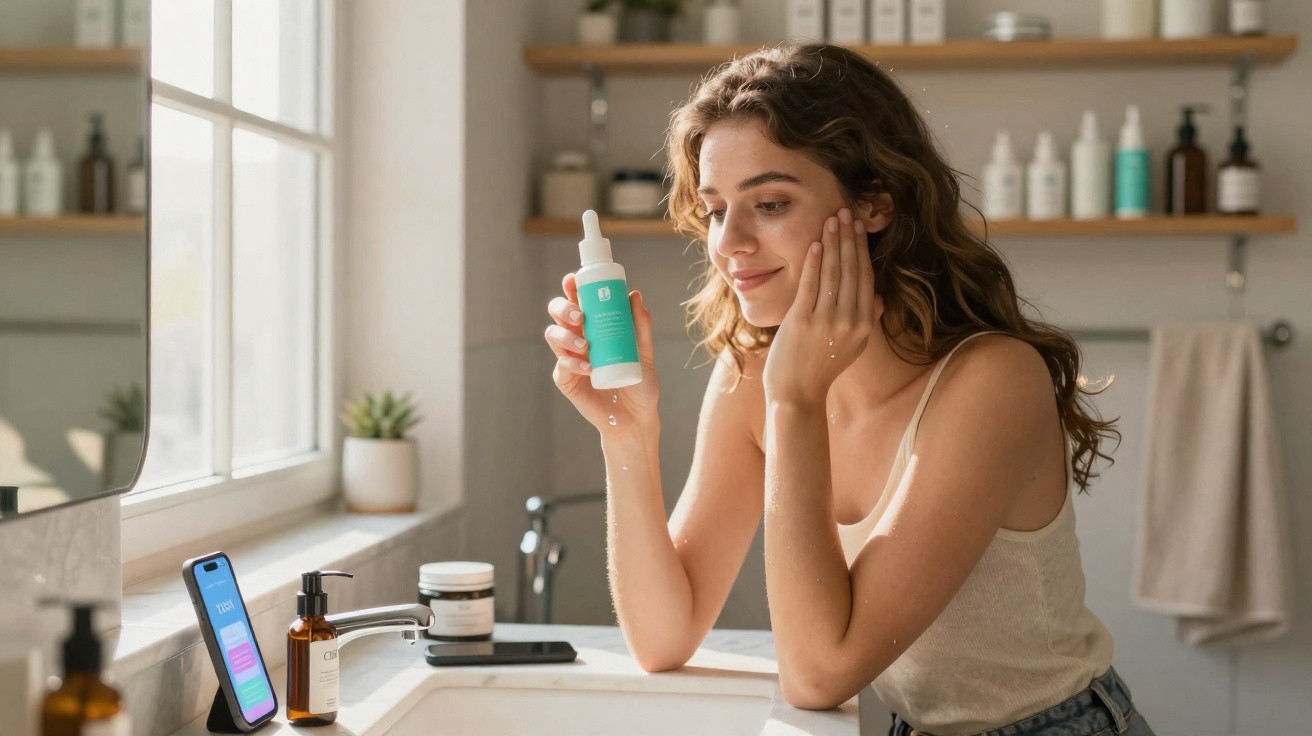
A new skincare product from the discount-store shelf is attracting attention – and prompting people to question the expensive brands in German bathroom cabinets.
A small bottle, an inconspicuous discount-store display and a price below four euros: that is currently enough to set the beauty world buzzing. A serum from Lidl’s own Cien range has achieved the top score on the Yuka rating app, while social media users are sharing it as an insider pick for nourished, well-hydrated skin.
Why this Cien serum is generating such a buzz
The excitement centres on the Cien hyaluronic acid serum: it costs just 3.99 euros and receives a score of 100/100 on Yuka. Users of the app are increasingly looking for short, easy-to-understand ingredient lists without questionable additives. People who do not want to decipher every ingredient list themselves are often happy to rely on apps like these.
“A serum for under four euros from a discount brand, yet with a top rating from an independent rating app: it is precisely this combination that makes the product so compelling.”
Lidl is once again presenting itself as a retailer that helps shoppers save on more than their weekly grocery shop, while also shaking up the cosmetics market. Many people are now asking whether high-quality facial skincare really needs to cost 40 or 60 euros when a discount-store product offers similarly convincing data.
What the Cien serum contains
Its high rating is largely due to a relatively straightforward formula that relies on familiar active ingredients and avoids unnecessary extras. According to the manufacturer, it is a hydrating serum intended to give the skin a plumper-looking appearance.
The key ingredients at a glance
- Hyaluronic acid: retains water in the skin, helping the surface appear smoother and more plump
- Panthenol (provitamin B5): has a soothing effect, supports the skin barrier and eases feelings of tightness
- Soluble collagen: is designed to create a cushioned skin feel and visually soften fine dehydration lines
In skincare, the pairing of hyaluronic acid and panthenol is widely regarded as a sound foundation for boosting moisture and reducing irritation. Rather than relying on flashy marketing language, the formula focuses on familiar, well-researched active ingredients.
How to apply the serum correctly
One point that is often overlooked is that even an excellent product can be less effective when used incorrectly. Specialists advise following a particular method with hyaluronic acid serums so that moisture is retained in the skin as effectively as possible.
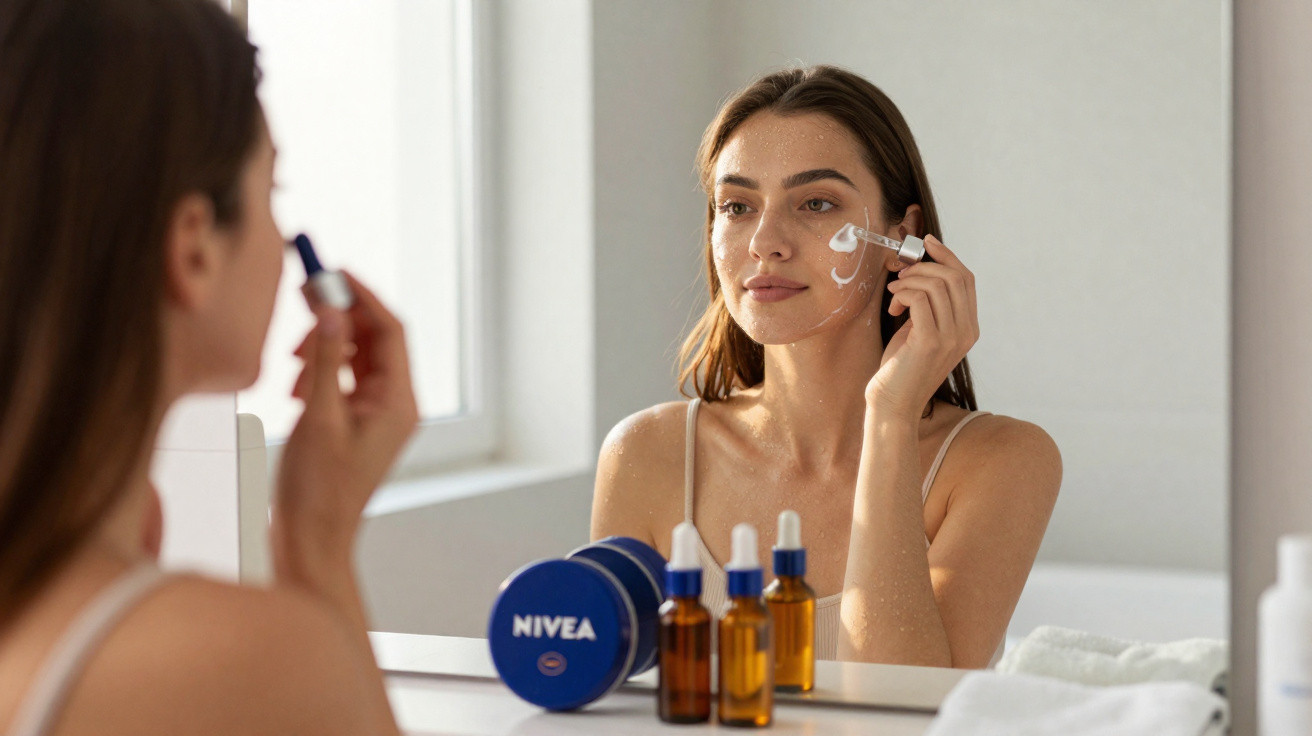
- Cleanse the face with a gentle cleanser.
- Do not dry the skin completely; it should remain slightly damp.
- Place a few drops of serum in the palm of your hand and gently pat it into the face.
- Follow with a cream or lotion to “seal in” the moisture.
When applied to slightly damp skin, hyaluronic acid can bind water more effectively. Applying a cream immediately afterwards also gives the skin barrier extra support and helps to stop moisture evaporating too quickly.
Discount store versus luxury: what explains the price difference?
Many consumers automatically associate a higher price with greater effectiveness. The Cien serum demonstrates how closely this instinct is tied to habit and brand image. Price and performance do not necessarily have a direct relationship.
| Aspect | Discount-store serum | Luxury serum |
|---|---|---|
| Price | approx. 3.99 euros | 30–100 euros or more |
| Marketing costs | low, with little advertising | high, including campaigns, influencers and adverts |
| Packaging | practical and simple | elaborate, often presented as a luxury item |
| Ingredients | a small number of proven active ingredients | similar core active ingredients, sometimes with additional “on-trend” ingredients |
High prices are frequently driven by marketing, distribution and brand-building. The cost of the raw materials in a serum accounts for only a small share of its retail price. When a retail chain such as Lidl buys large volumes for an own-brand range, the cost per bottle falls considerably.
Why apps such as Yuka have become so influential
Apps that rate food and cosmetics according to their ingredients have long become part of everyday shopping. Many people now routinely scan products before putting them in their basket. A top rating can feel almost like a seal of approval.
“The top score on a rating app does not replace medical advice, but for many people it provides a simple guide through the maze of ingredient-list terminology.”
Anyone who is sensitive to fragrance, alcohol or certain preservatives values this quick overview. At the same time, app ratings can amplify trends: once a product starts circulating online, demand and expectations rise, and shelves empty more quickly.
Who this Cien serum suits – and who should be more cautious
The Cien serum is primarily aimed at people who want to give their skin intensive hydration without making their skincare routine more complicated. A hyaluronic acid serum can be especially useful for:
- dry or mildly dehydrated skin
- early fine lines caused by dehydration
- skin that feels firm but tight after cleansing
- users who are better off avoiding fragrance
People with very sensitive or already inflamed skin, such as those with rosacea or pronounced acne, should always introduce new products with care. A patch test on a small area, for example along the jawline, can help identify possible reactions early.
What hyaluronic acid actually does
Hyaluronic acid occurs naturally in the body, including in connective tissue and joints. In skincare products, it holds water like a sponge and can therefore make the skin look plumper. It is often divided into molecules of different sizes:
- High-molecular-weight hyaluronic acid: largely remains on the surface and provides a short-term plumping effect
- Low-molecular-weight hyaluronic acid: can penetrate more deeply into the uppermost layers of skin and provide longer-lasting hydration
Many serums combine both forms to offer an immediate effect as well as longer-term benefits. Regular application is key: someone using the serum only once every two weeks will notice far less than with daily use.
How to incorporate the serum into a skincare routine
In everyday use, the product fits well into a streamlined but results-focused routine. One example that works for many skin types is:
- Morning: gentle cleanse, hyaluronic acid serum on slightly damp skin, light moisturiser, sunscreen
- Evening: cleanse, possibly a mild exfoliant on selected days, hyaluronic acid serum, richer skincare
Used alongside retinol or fruit acids, a hydrating serum can help counteract potential dryness. It is worth starting gradually to avoid overwhelming the skin.
What buyers should consider despite the hype
Even when a product receives widespread praise, individual skin reactions remain the deciding factor. Anyone prone to allergies should always check the full ingredient list. Terms such as “parfum” can indicate fragrance ingredients that not every skin tolerates.
Another consideration is that strong ratings do not automatically mean a serum is ideal for every skin type. Oily or blemish-prone skin often needs lighter textures, while very dry skin frequently requires additional rich creams containing lipids and ceramides.
The Lidl serum clearly illustrates how much the cosmetics market is changing: consumers are researching more carefully, comparing ingredients and questioning prices. Whether it ultimately becomes a personal favourite is not determined by an app rating alone, but by what the mirror shows after several weeks of consistent use.











Comments
No comments yet. Be the first to comment!
Leave a Comment