The bathroom carried a faint scent of lavender and steam when Marie’s daughter realised that something was not right. The 78-year-old was trembling on the bathmat, wrapped in a wet towel and insisting she was “fine”, although her lips had taken on a slightly blue colour. Her family had always admired her determination to remain “fresh and clean”. They were proud that she still had a full shower each morning, just as she had done while working at the post office. To them, daily showers represented independence, dignity and self-respect. Or so they believed.
Later that evening, a young doctor in A&E gently asked Marie’s daughter how often she bathed. When she replied, “every day, of course,” he raised his eyebrows. He carefully explained that, for people aged over 65, a daily shower routine could become a hidden danger.
The recommended routine for older people is not what most families expect.
Why daily showers can quietly harm seniors over 65
Visit a care home early in the morning and the routine is instantly recognisable: bathroom lights come on, grab rails creak, water strikes the tiles and carers move quickly from room to room to “get everyone washed”. Cleanliness is often treated almost like medicine: daily, automatic and non-negotiable. Families ring to ask whether their relatives are “showered every day”, as though that one detail alone demonstrates the standard of care.
However, geriatric specialists are increasingly saying openly what many nurses have long said quietly in corridors: for ageing bodies, this routine may cause more harm than benefit.
A French geriatrician I interviewed recently expressed it plainly: “We see more falls in the bathroom than anywhere else.” One of her patients, Lucien, aged 82, took great pride in his rigid routine. Every day at 7 a.m., including in winter, he had a hot shower. Then, while feeling slightly light-headed because of new blood-pressure medication, he slipped as he stepped out of the bath. His hip fracture did not simply lead to surgery. It marked the beginning of a gradual loss of independence, week by week, until he was no longer able to live on his own.
His daughter later acknowledged that she had encouraged him to “keep up the daily shower” because she thought it was the respectful thing to do.
Dermatologists describe a comparable problem when considering skin rather than bones. After the age of 65, skin naturally becomes drier, thinner and more delicate. Hot water and strong soaps remove the light protective barrier that holds moisture in and keeps microbes out. Tiny cracks develop, itching becomes worse, and small red areas can become entry points for infection.
Factor in abrupt temperature changes, the exertion of remaining upright and the possibility of dizziness, and a gleaming bathroom can become a hazard zone of white tiles. In truth, few people regard a daily shower as risky until something has already gone wrong.
The new “ideal frequency” that surprises families and carers
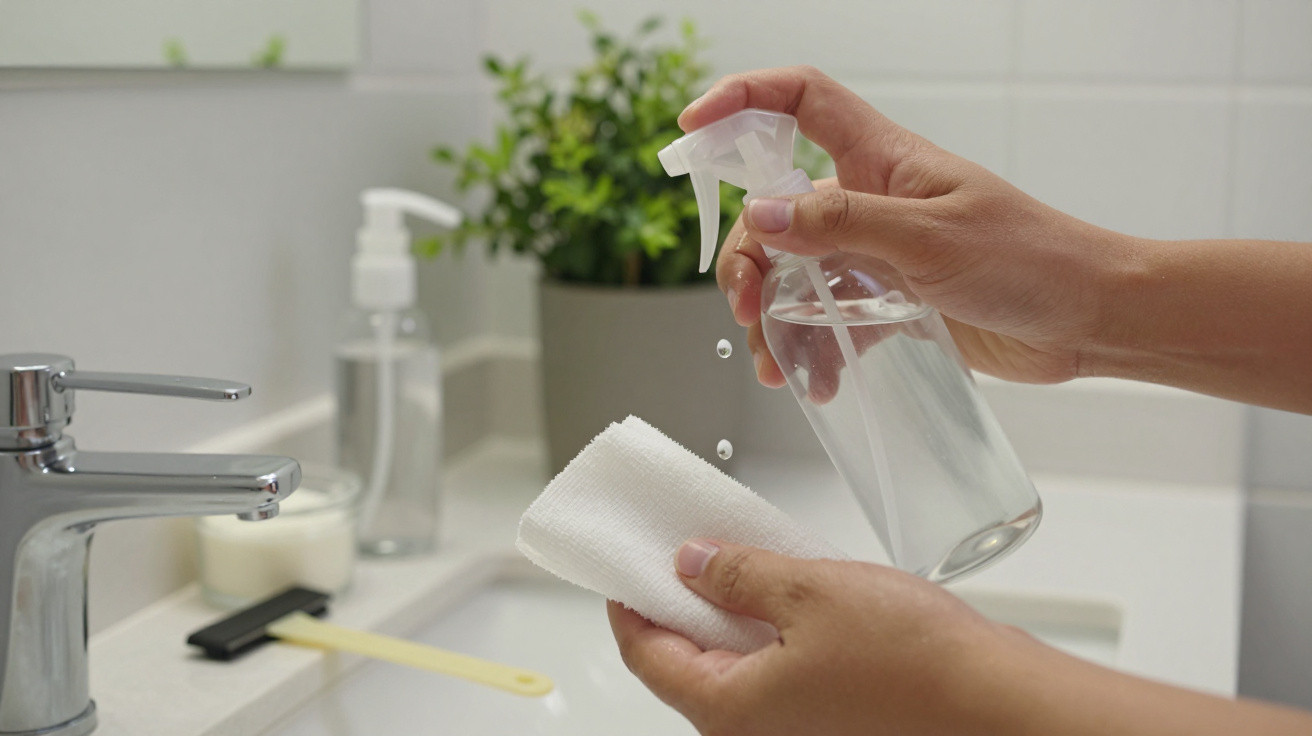
What do doctors now advise? Many geriatric experts agree on a number that surprises many relatives: two to three full showers a week are often sufficient for older people, provided key areas are cleaned every day. In practical terms, that means a proper shower every 2–3 days, with a brief wash at the basin on other days: underarms, intimate areas, feet, face and skin folds.
For an older person whose body sweats less, who no longer travels to an office and who lives at a gentler pace, this approach supports both hygiene and health. The aim subtly changes from “wash everything, every day” to “protect skin, prevent falls, stay fresh”.
Families often respond with both surprise and guilt. “What will people think if mum doesn’t shower daily?” they ask. There is a genuine fear of neglect, of becoming “that family” who do not care. Carers can feel similarly conflicted: some homes still display shower timetables like attendance registers, proud to provide seven showers a week. Yet the reality in residents’ rooms may be very different, with tired people, sore irritated skin and anxious mornings.
We have all experienced that moment of trying to persuade an exhausted parent to “just get in the shower” while they resist with their entire body.
Clinical teams stress one straightforward point: hygiene is not a moral competition. It requires balance and adaptation. For many older people, three gentle washing routines spread across the week are enough to prevent odour, infection and discomfort. On the days in between, a warm flannel and a little mild soap on specific areas are sufficient. What shocks us is not the science but the idea of changing habits we’ve repeated for decades.
At its core, the body of a 75-year-old does not have the same requirements as the body of a 35-year-old, and bathroom routines need to reflect that fact.
How to rethink bathing rituals without losing dignity
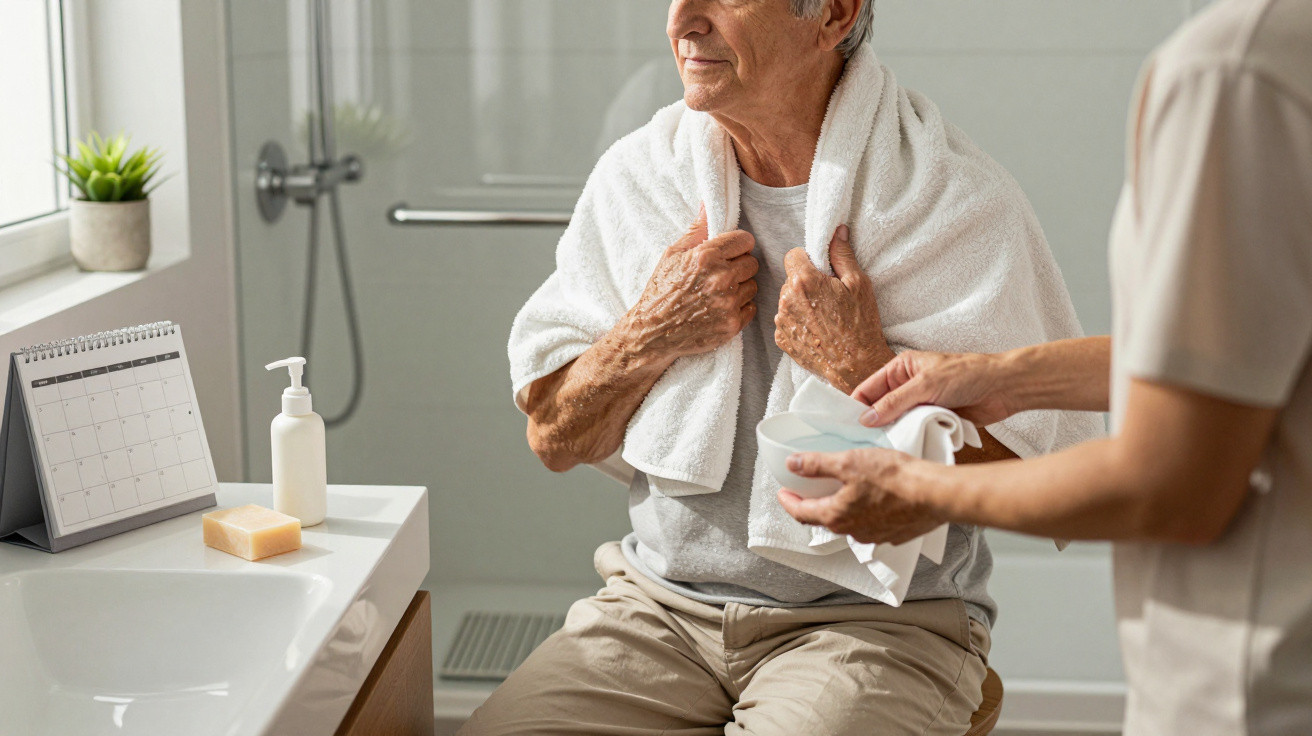
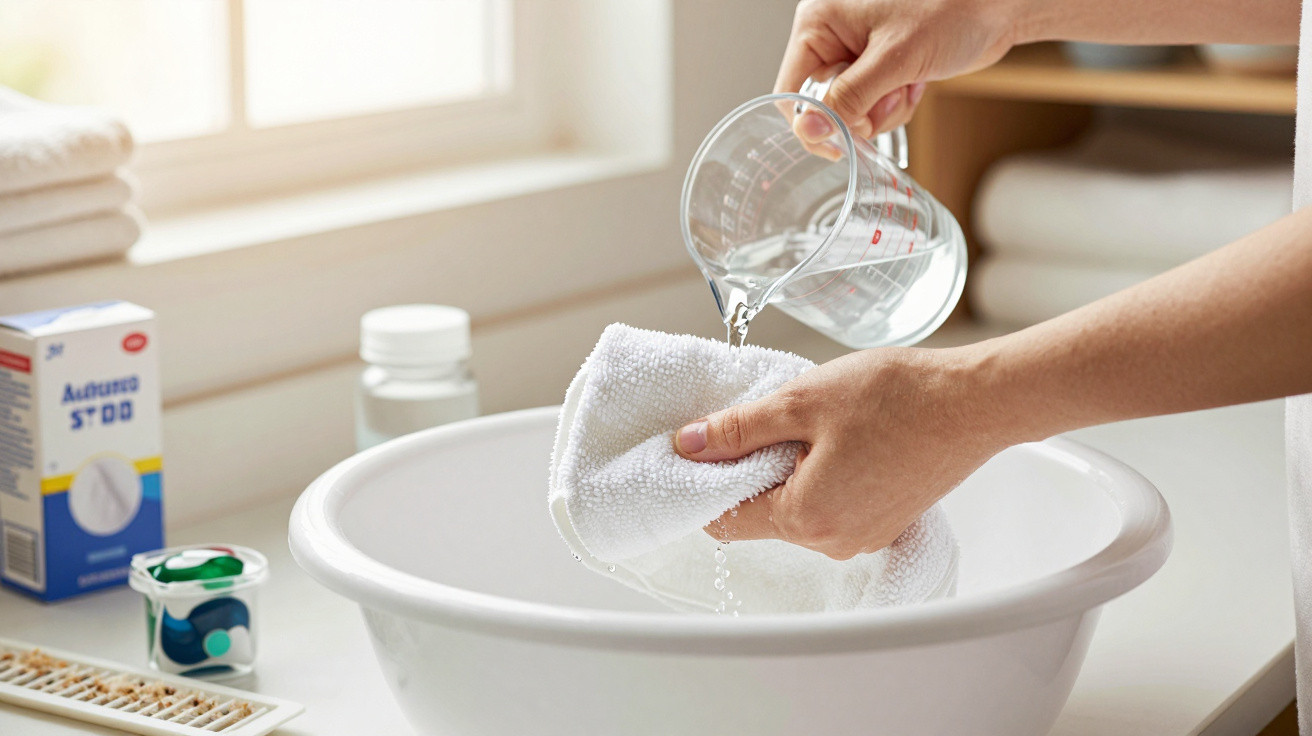
One of the most practical approaches used by many nurses has a simple name: the “partial wash”. Rather than giving a full shower, they set out a bowl of warm water, two flannels, a soft towel and mild unperfumed soap. The older person remains seated, wearing a dressing gown and sometimes covered with a blanket. One section of the body is uncovered, washed gently, rinsed with a clean cloth, then dried and covered again before the next area is attended to.
This approach limits tiredness, chills and dizziness, while allowing the person to retain a sense of control. It can be done in the bedroom or bathroom with a chair, and often takes less time than an argument over a full shower.
A major error families make is to treat showering as an exam their parent must pass. They press the issue, raise their voices and rush because they are short of time. The older person may feel trapped, embarrassed or infantilised, and the bathroom turns into a battleground. Moving to less frequent, gentler showers can ease this tension, but the way people speak matters as much as the number of showers.
Speak about comfort, warmth and well-being rather than dirt and smell. Ask which time of day feels most manageable, make sure the water is not too hot or too cold, and recognise that on some days a partial wash is entirely sufficient.
“Families think more showers mean more care,” sighs an experienced home-care nurse. “For many of my patients over 80, I spend more time protecting their skin and reducing their fear of falling than I do actually washing them. Hygiene is also about emotional safety.”
- Fit non-slip mats and grab rails before focusing on “shower frequency”.
- Select a mild, fragrance-free cleanser rather than standard shower gels that can dry the skin.
- Arrange showers for days when the older person feels rested, rather than after medical appointments or lengthy outings.
- Keep the bathroom warm, have towels ready and lay out clothes in advance to minimise time spent feeling cold.
- Give choices: “Shower or partial wash today?” can help restore control and dignity.
Rethinking cleanliness, ageing, and what “good care” really means
The discussion around daily showers raises a wider issue: what does “taking good care” of an older person actually involve? For decades, many of us have linked love with doing more, washing more and pushing more. Daily showers became a way of assuring ourselves that we were not neglecting our parents or grandparents. Yet bodies change, and our ideas of good care must change too.
Geriatric doctors now repeat the same message: the best hygiene routine is one that protects the skin, prevents falls, respects energy levels and maintains dignity. At times, this means three calm, carefully prepared showers each week instead of seven hurried ones. At other times, it means accepting that a quick wash at the basin is an achievement on a day when pain or fatigue is severe.
The simple truth is that kindness, patience and listening often matter more than the precise number of times water runs over ageing shoulders. Families and carers who are willing to adapt these routines often find something unexpected: less conflict, fewer accidents, quieter mornings… and older people who feel recognised not as “bodies to wash”, but as individuals whose limits are finally being heard.
| Key point | Detail | Value for the reader |
|---|---|---|
| Daily showers can be risky for seniors | People over 65 face a greater risk of falls, dizziness and skin irritation | Helps families recognise the hidden risks of a familiar routine |
| 2–3 full showers per week are often enough | Combined with daily partial washes of key areas to maintain freshness and hygiene | Provides a clear, reassuring alternative to all-or-nothing bathing |
| Adapt rituals to preserve dignity and independence | Use partial washes, safety equipment and respectful communication | Offers practical ways to protect health while respecting the person |









Comments
No comments yet. Be the first to comment!
Leave a Comment