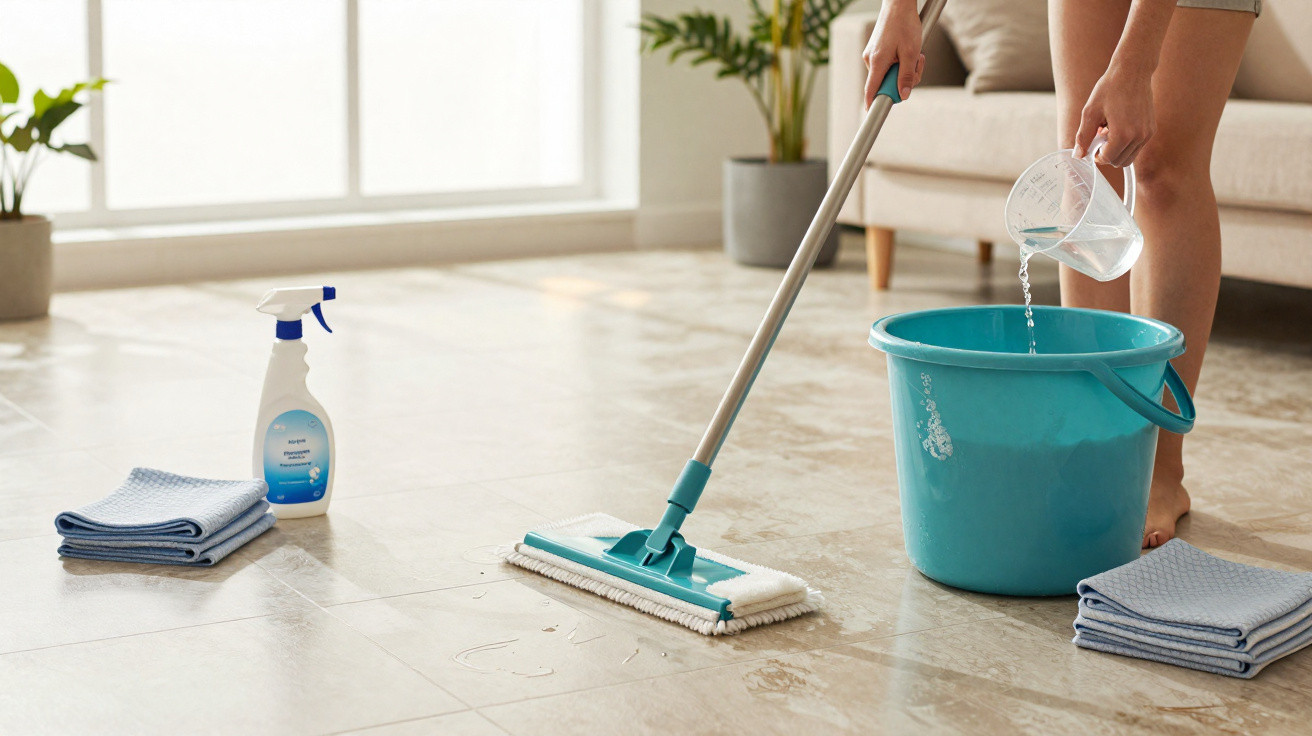
Keeping the home clean requires particular care when sanitising the floor. Carrying out daily domestic cleaning in areas such as kitchens, living rooms and bathrooms calls for extra attention, preventing the covering from building up unwanted marks and greasy residue from neutral detergent.
How should daily cleaning of the floor covering begin?
To remove the constant dust from the surface, it is essential to use a soft-bristled brush correctly before introducing any moisture. This initial measure prevents deep scratches to the porcelain tile structure while daily dirt is being removed.
A build-up of grime calls for an effective, straightforward routine that protects the integrity of the ceramic floor. Selecting suitable tools ensures that general maintenance removes all residue properly, enhancing the appearance of your residential space.
For excellent results when organising your home, see the essential items recommended by the brand:
- Clean water: An essential component for diluting products properly.
- Soft sponge: The ideal tool for scrubbing marks without scratching.
- Neutral detergent: The ideal soap for safe daily sanitising.
- Cream cleaner: An alternative product for lifting stubborn dirt.
- Clean cloth: A key item for thoroughly drying the floor covering.
What are the steps for diluting the product?
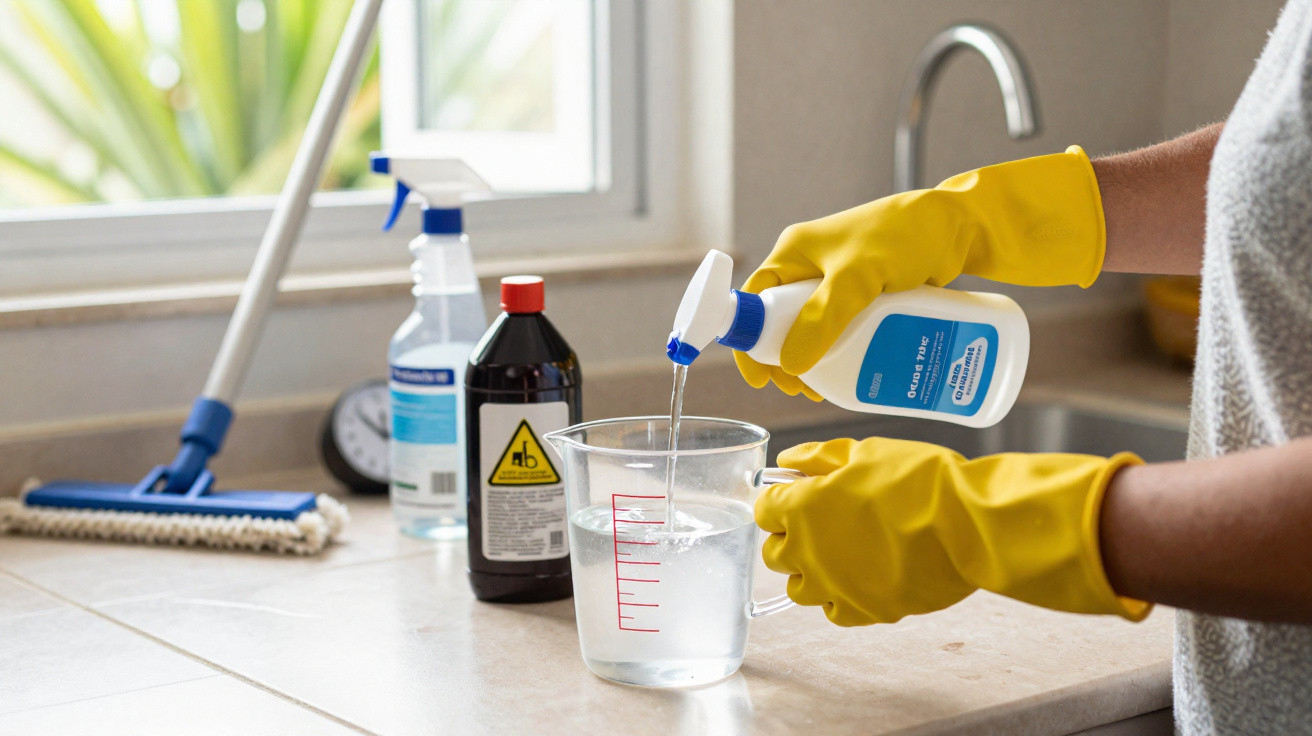
Proper preparation means mixing the selected soap directly in the bucket before use. This step prevents an excessive build-up of chemicals, ensuring that your ceramic floor receives only the recommended amount of concentrated detergent.
When the mixed solution is spread evenly, sanitising becomes far more convenient and quicker. Avoiding the product in its undiluted form protects its natural shine and prevents that unpleasant feeling of a completely sticky floor once dry.
To see every stage of this practical home-maintenance process in detail, watch the explanatory video published on Portobello's YouTube channel:
How can you scrub the surface without causing damage?
Once the liquid mixture has been applied to the covering, use gentle, continuous movements. Using the recommended materials ensures complete residue removal without affecting the physical integrity of your valuable residential tiled floor.
Essential care: choosing the right sponge
Scrubbing the covering with the abrasive or unsuitable side can permanently damage the material's shine.
Always use the soft side to remove marks and dust safely, without scratching the surface.
Incorrect friction harms the protective glaze and affects the appearance of the rooms. For this reason, scrubbing gently helps dust lift easily while maintaining the structural quality of the porcelain tile during your daily household cleaning.
For the best technical result at this stage, follow the key guidance below:
- Use only the yellow side of the protective sponge.
- Make gentle circular movements over visible stains.
- Avoid excessive pressure, so as not to damage the glaze.
How should rinsing and drying be carried out?
After scrubbing the covering, it is vital to remove all soap residue to prevent a dull finish. Using clean water correctly washes away the remaining mixture, stopping unwanted marks from affecting the look of your ceramic floor.
Completing the process with a completely clean, dry cloth ensures that all harmful moisture is removed. This simple procedure prevents shoe marks and stops dust particles from quickly accumulating on the surface of your floor covering.
To achieve an impeccable, long-lasting shine while drying, follow these effective practices:
- Wipe with a clean, dry cloth immediately after rinsing.
- Avoid walking through the area until all water has evaporated.
- Keep the windows open to speed up natural drying.
Why should you avoid using too much detergent?
Applying an excessive amount of cleaning products creates an oily film that attracts dirt very easily. Keeping daily quantities under control preserves the material's original appearance, maintaining ideal cleaning without compromising the safety of your floor.
Using correct daily sanitising techniques prevents waste and shields the surface from unwanted long-term damage. If you want to brighten the gaps between tiles, an effective homemade mixture thoroughly cleans every grimy grout line in your home.







Comments
No comments yet. Be the first to comment!
Leave a Comment