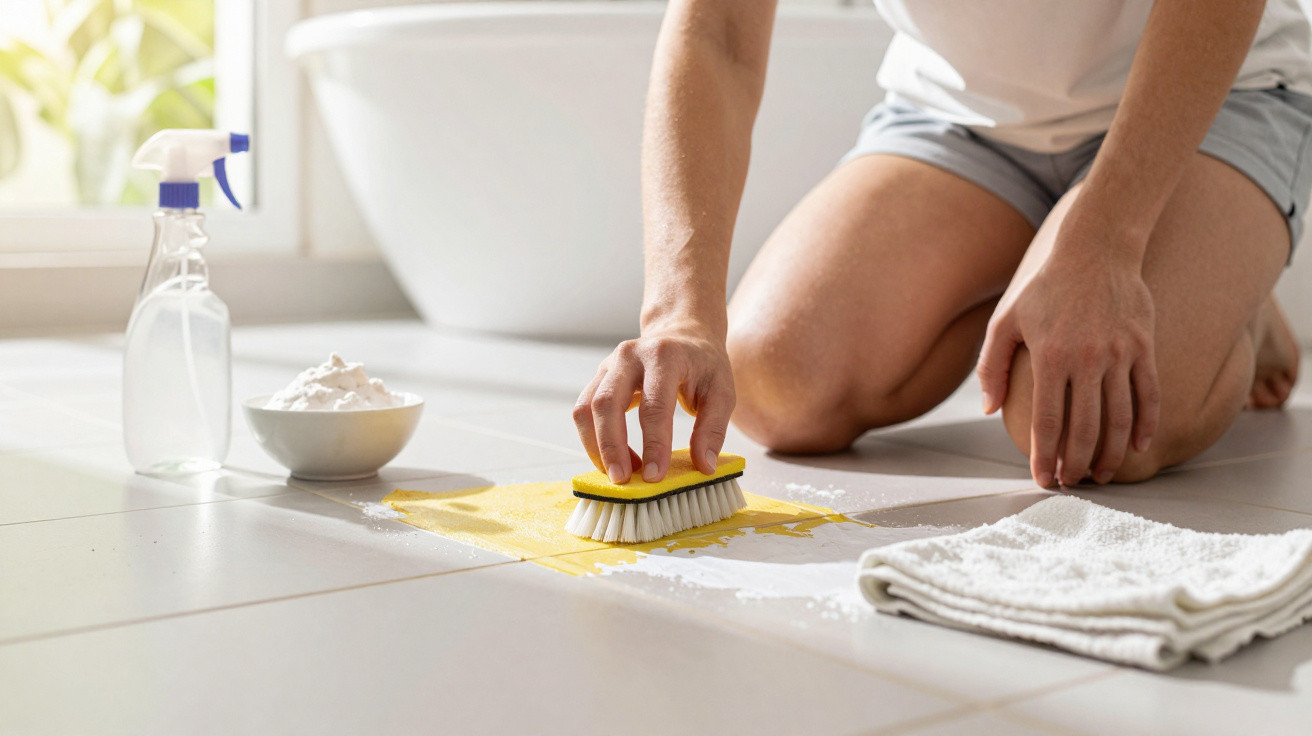
The bathroom light was as unforgiving as a Monday morning in the office. The tiles gleamed, the mirror had been polished, yet one yellow line between the white tiles stared back at me like a tired under-eye shadow. The longer I looked, the more yellow grout lines I spotted: around the shower, beside the basin and across the floor. Suddenly, the whole corner no longer looked “newly renovated”; it looked “slightly neglected”. And that was after I had cleaned it the day before. Do you know that moment when you wonder: am I being careless, or is this grout simply out to get me?
Why white bathroom grout turns yellow so quickly
White grout is much like white trainers: perfect on day one, a liability soon afterwards. In a bathroom, moisture, warmth and steam add to the problem, magnifying every mark. Grout is porous, so it absorbs soap residue, shampoo, skin oils and tiny particles of dirt. Over time, this mixture becomes discoloured-first a faint beige, then a more pronounced yellowish shade. It not only looks unclean; it can make the entire room appear older. At that point, a quick wipe with a cloth no longer makes much difference.
In many homes, yellow grout starts to develop almost unnoticed. At first, there is just one small area in the shower that looks somehow darker than the rest. You think: “I’ll give it a more thorough clean next time.” Then “next time” turns into a month, perhaps six months. Eventually, you are standing in the bathroom with visitors, someone glances into the shower-and you can tell from their expression that they noticed the grout. Anyone who has experienced this knows that these tiny lines can feel more embarrassing than a messy desk.
The discolouration is caused by a combination of chemistry and everyday use. Hard water leaves stubborn limescale deposits in the grout. Shower gels and shampoos contain colourants that can settle there. Skin flakes and dirt create a breeding ground for micro-organisms. Even if everything were clinically clean, grout would still age over the years because the grout mortar itself turns yellow. The point is: you are not fighting one stain, but an ongoing process. Once you understand that, you can stop feeling ashamed and start dealing with it strategically.
What genuinely works on yellow grout-from gentle cleaning to stronger measures
A gentle starting approach combines household staples with patience. One classic option is a paste made from bicarbonate of soda (or baking powder) and a little water, brushed directly onto damp grout. Leave it for a short while, then scrub in small movements using an old toothbrush. Bicarbonate of soda is mildly abrasive, helping to lift discolouration without harshly attacking the grout. If you need a little more strength, add white vinegar. First, though, test it on an inconspicuous spot to check that the tile can tolerate vinegar, especially if it is natural stone. Finish by rinsing thoroughly with clean water.
When grout turns yellow, many people reach straight for powerful chlorine-based cleaners. They can work, particularly on old build-up. But this is also when the bathroom atmosphere quickly becomes unpleasant: the sharp smell, stinging eyes and splashes on your clothes. Let’s be honest: nobody wants to air the room for 30 minutes, put on gloves and wear safety goggles just to give the shower a “quick” wipe. As a result, these products tend to be used either too rarely or too hastily-and the grout ends up looking patchy rather than clean. A calm, properly planned application achieves more than an impulsive blast of chemicals on a Sunday evening.
“Most grout problems do not start in the DIY shop; they start in everyday life,” says a tiler friend. “People clean around it in a general way, but never tackle the grout specifically-until it looks beyond saving.”
To avoid that, a small routine can help. Stick to just two or three steps you can genuinely maintain:
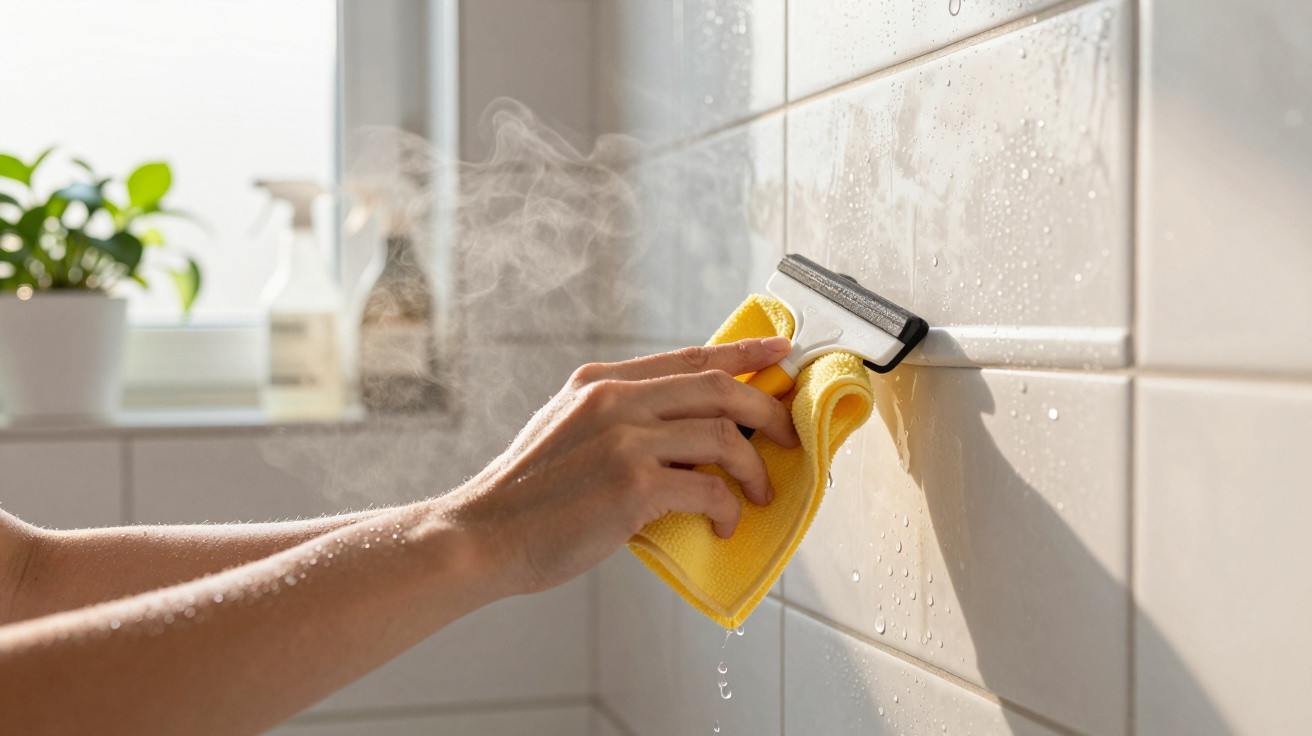
- After showering, quickly use a squeegee to remove water from the tiles and grout.
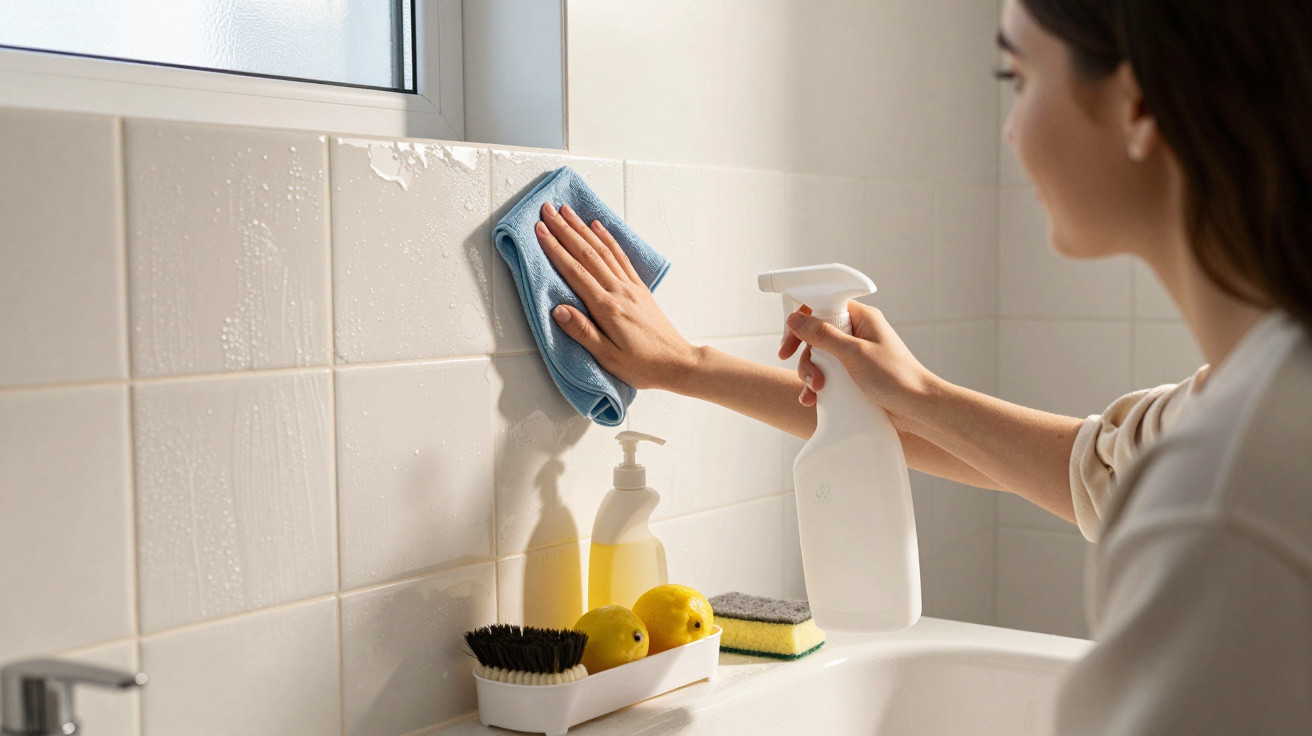
- Once a week, clean the grout deliberately with a mild cleaner and a brush.
- Every few months, schedule a more intensive “treatment” using bicarbonate of soda or a dedicated grout cleaner.
That way, grout care does not become a major project. Instead, it becomes a manageable part of your routine-rather like brushing your teeth, but for your bathroom.
When to stop scrubbing and rethink your bathroom grout
There comes a point when you are kneeling in the shower with a brush and cleaner for the third time and realise that, while the grout is becoming lighter, it will never be properly white again. At that stage, the issue is no longer merely on the surface. Some grout has simply reached the end of its life: the mortar has yellowed or become dirty from within. Continuing to scrub is then less useful than asking the honest question: is it worth giving the area a visual fresh start? Grout pens can offer a temporary solution, restoring a more even appearance if you do not want to replace everything straight away.
| Key point | Detail | Benefit for the reader |
|---|---|---|
| Understand the cause | Yellow grout results from limescale, soap residue, colourants and ageing grout mortar. | You can stop feeling embarrassed and take targeted action. |
| Start with gentle cleaning | Use bicarbonate of soda, vinegar (where suitable) and a brush step by step. | You protect both the grout and your health while still achieving visible results. |
| Choose routines over deep cleans | Build small, regular tasks into everyday life. | Your bathroom stays brighter and better cared for for longer, without hours of cleaning. |





Comments
No comments yet. Be the first to comment!
Leave a Comment