Many people clean the oven and its glass door but overlook the caked-on oven racks – even though this is exactly where grease, soot and stubborn burnt residue collect.
Anyone who has tried scrubbing baked-on oven racks in the sink will know the struggle: water everywhere, only half the job done and no satisfaction at all. A straightforward but little-known household trick moves the cleaning job to the bathtub, turning an annoying chore into a manageable task.
Why burnt-on oven racks are so stubborn
When it comes to kitchen hygiene, oven racks are often neglected. Baking trays go into the dishwasher, the glass door gets a quick wipe, while the racks simply go back into the oven as they are. Every roast, pizza and overflowing dish leaves further layers of fat and protein deposits on the metal.
The difficulty is that the bars have numerous edges, corners and gaps. They generally fit into the sink only at an angle, meaning just part of each rack can soak while the rest remains above the water. An even clean is therefore impossible.
On top of that, anyone who reaches for highly aggressive products out of frustration risks damaging the material or irritating their skin and airways. Strong-smelling sprays, gloves and masks can make the task even less appealing. It is hardly surprising that many people leave their racks until they are completely black.
The unexpected solution: put oven racks in the bathtub
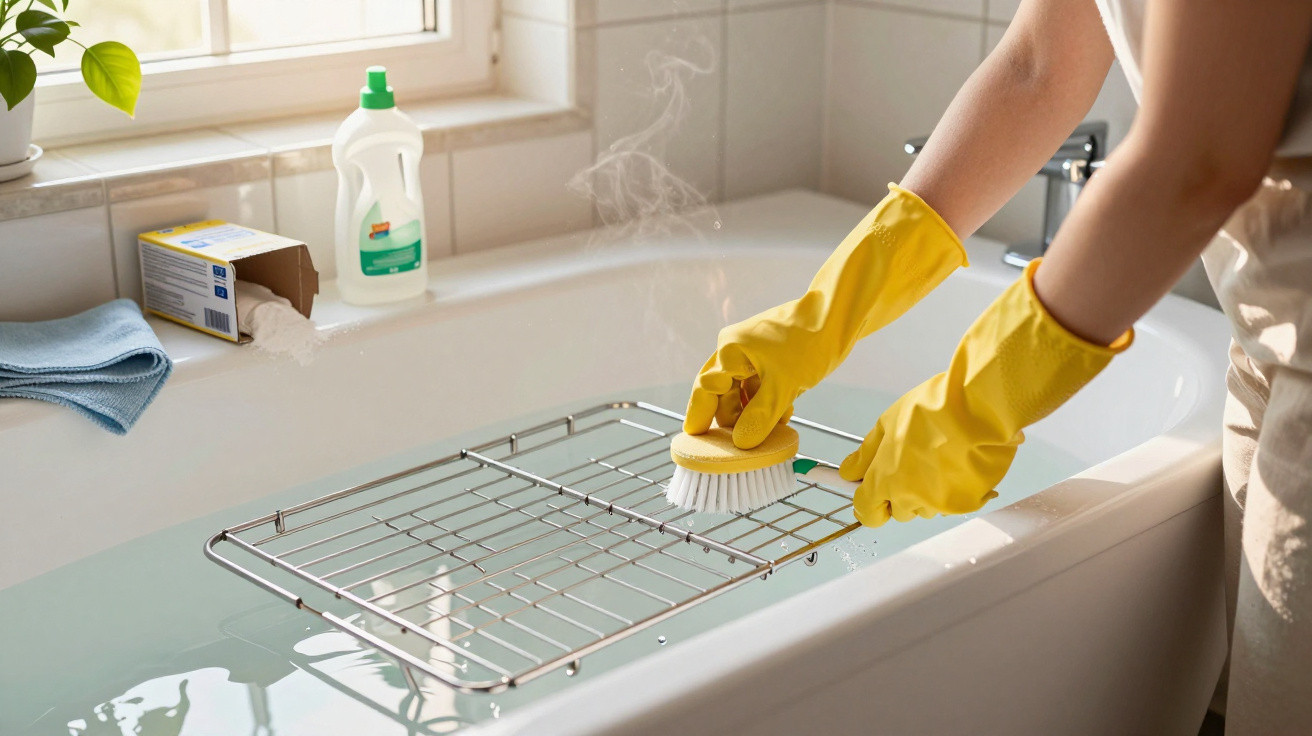
The idea may sound rather absurd at first, but it works extremely well in practice: rather than going in the sink, the racks go into the bathtub. The benefit is obvious – space. The metal racks can be laid flat in the bath and covered completely with water.
To avoid damaging the bath enamel, a small protective measure is worthwhile: first place an old, thick towel or discarded bath mat on the bottom of the tub, then set the racks on top. This prevents scratches and makes the unavoidable clattering during loading and removal far quieter.
“The bathtub provides exactly what oven racks need: plenty of room, hot water and time to soak – without harsh chemicals.”
Which ingredients actually remove baked-on residue
No specialist DIY-shop products are needed for this cleaning mixture. In most cases, everything is already available at home:
- very hot water
- bicarbonate of soda or washing soda
- a powerful grease-cutting washing-up liquid
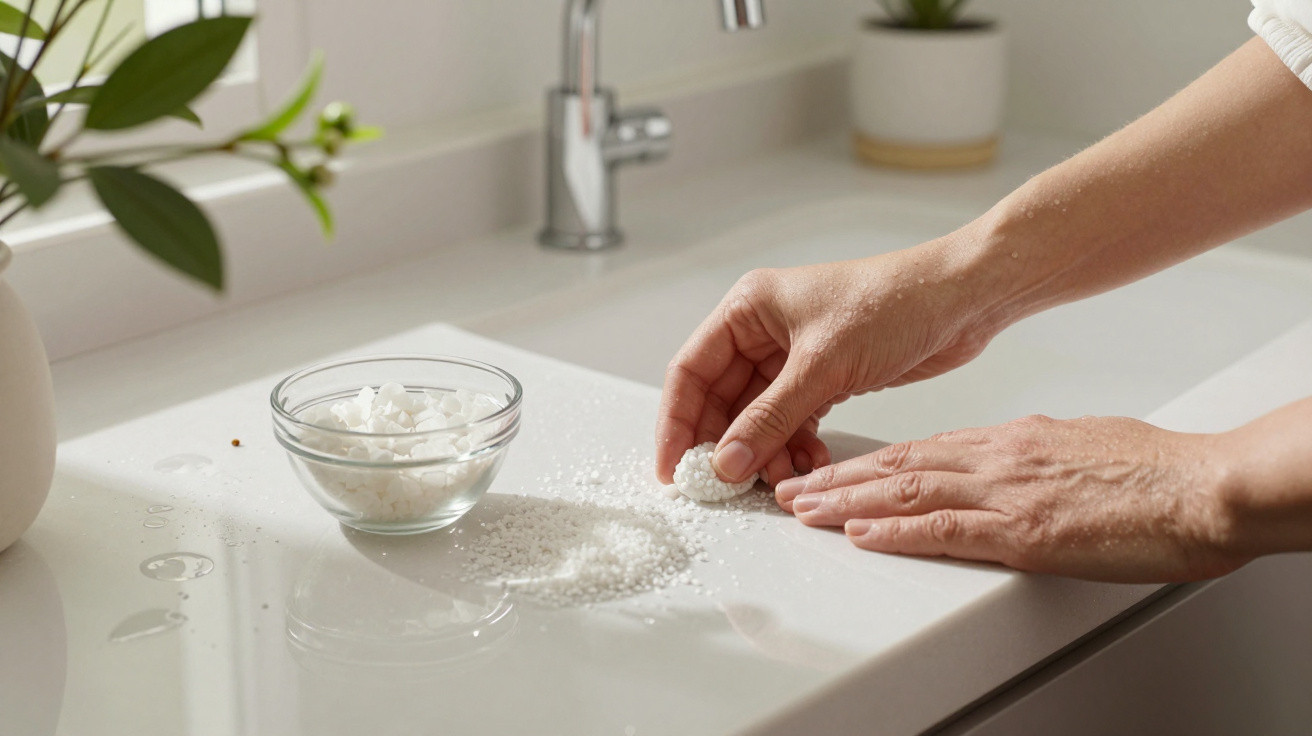
Hot water softens burned-on residue and breaks up grease deposits. The soda acts as a gentle abrasive while also helping to dissolve grease chemically. Washing-up liquid targets fats and breaks them into smaller particles that can then be rinsed away easily.
A proven ratio is around 150 grams of soda to roughly 50 millilitres of washing-up liquid per bathtub full of water, depending on the volume of water and how dirty the racks are. The mixture does not need to be measured to the millilitre, but it should look distinctly soapy and slightly cloudy.
Step by step: how to clean oven racks
1. Prepare the bathtub
Lay out the towel protection first, then place the oven racks in the bath. Make sure the bars are not stacked on top of one another; arrange them side by side where possible so that water can reach every area.
2. Fill with hot water
Fill the bath with water as hot as possible, ensuring the racks are fully submerged. If you have a particularly delicate bathtub, begin with warm water and raise the temperature once the metal racks are already underwater.
3. Mix in the cleaning solution
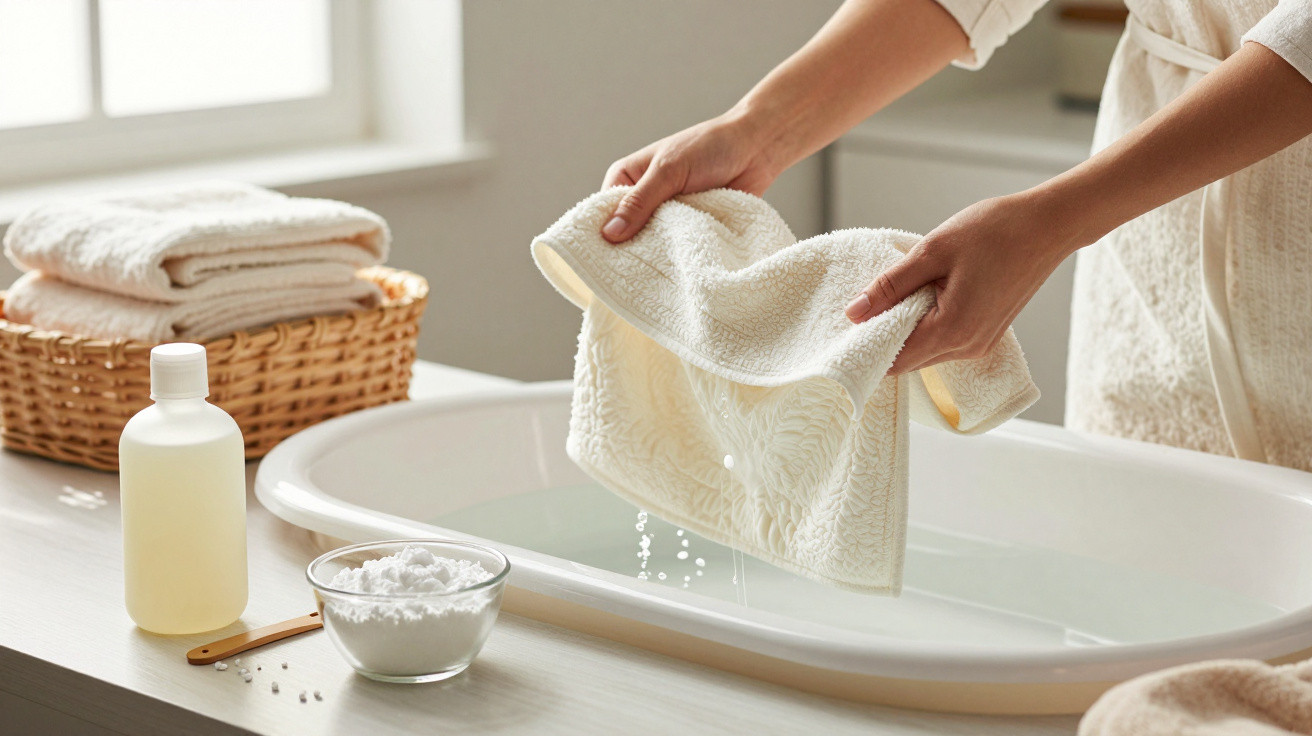
Scatter the soda generously over the surface of the water and add the washing-up liquid. Gently stir the water with your hand or the shower head so the ingredients disperse slightly. There is no need for mountains of foam; a light lather is enough.
“The combination of heat, soda and washing-up liquid is enough – vigorous scrubbing becomes a secondary concern.”
4. Do not underestimate the soaking time
Leave the racks in the solution for at least 30 minutes. For normally dirty racks, this is often entirely sufficient. If they have not been cleaned for years and have thick, dark layers of grime, it is better to leave them for several hours or overnight in the bath.
During this period, much of the build-up will loosen on its own. Grease and small particles will often become visibly suspended on the water’s surface.
5. Finish with a sponge or brush
After soaking comes the actual “work”, although it is surprisingly easy. Wipe the racks with a soft sponge or a brush that is not too stiff. In many areas, light pressure is all that is needed to remove the deposits.
If a few particularly stubborn patches remain, target them once more with the brush. Steel wool and coarse metal scouring pads are not ideal for coated racks, as they can roughen the surface.
6. Rinse thoroughly and dry
Finally, rinse the racks with clean water until no soap residue remains visible. A dry cloth or tea towel prevents water marks and helps prevent rust forming around cut edges. Once fully dry, the racks can go straight back into the oven.
Less effort, greater effect – why this method is so popular
The main advantage is the reduced effort: instead of spending an hour scrubbing at the sink, the mixture does the work on its own in the bathtub. Your contribution is limited to a few simple steps and just a few minutes of finishing work.
The protective coating on many racks remains intact because intensive scrubbing is unnecessary. This allows the metal to shine again without looking dull. At the same time, there is no need for harsh oven cleaners, which often smell strongly and can irritate the airways.
| Method | Effort | Risk to material |
|---|---|---|
| Harsh oven cleaner | medium to high (scrubbing, soaking time) | high (corrosion and discolouration possible) |
| Dry steel wool | very high (pure physical effort) | very high (scratches, dull surfaces) |
| Bathtub method with soda | low (soaking, brief finishing work) | low (gentle ingredients) |
How often oven racks should really be cleaned
A sensible schedule depends heavily on your cooking habits. Anyone who regularly prepares roasts, cheese-topped bakes and fatty food in the oven should soak the racks about once a month. For occasional use, an interval of three to four months is often enough.
A useful guide is this: as soon as dark, sticky streaks appear or the rack feels noticeably greasy to the touch, it is time for the bathtub method. Cleaning immediately after a particularly substantial celebration meal prevents fresh deposits from baking into old, hard crusts.
Health and environmental considerations: more than appearance
Heavily burnt-on residue can produce unpleasant smells at high temperatures. In extreme cases, particles can enter the air inside the oven and therefore come into contact with food. A clean surface reduces this risk and keeps odours in the oven neutral.
The soda and washing-up liquid method requires no aggressive solvents and can be disposed of safely down the drain. Soda is considered readily biodegradable and has been used in the home for decades. Choosing a particularly environmentally gentle washing-up liquid reduces the environmental impact even further.
Practical everyday kitchen tips
- Wipe fresh splashes from the rack immediately with a damp cloth before they burn on.
- For particularly fatty dishes, place a baking tray beneath the rack to catch drips.
- Once a year, clean the oven’s side rails using the same method.
- Wear thin household gloves while brushing if you have sensitive hands, as soda removes grease effectively.
Anyone who tries this method once will quickly find that it fits easily into everyday life. Put the racks in the bathtub in the evening, add the mixture, turn off the light – and by the next morning, only a few simple steps remain. You can clean the bathroom or kitchen at the same time while the cleaning solution works quietly in the background.
There is also an interesting side effect: many users report using their oven more often once it is clean and no longer smells unpleasant. Clean oven racks are therefore not merely about appearance; they can directly influence cooking habits and the desire to bake.





Comments
No comments yet. Be the first to comment!
Leave a Comment