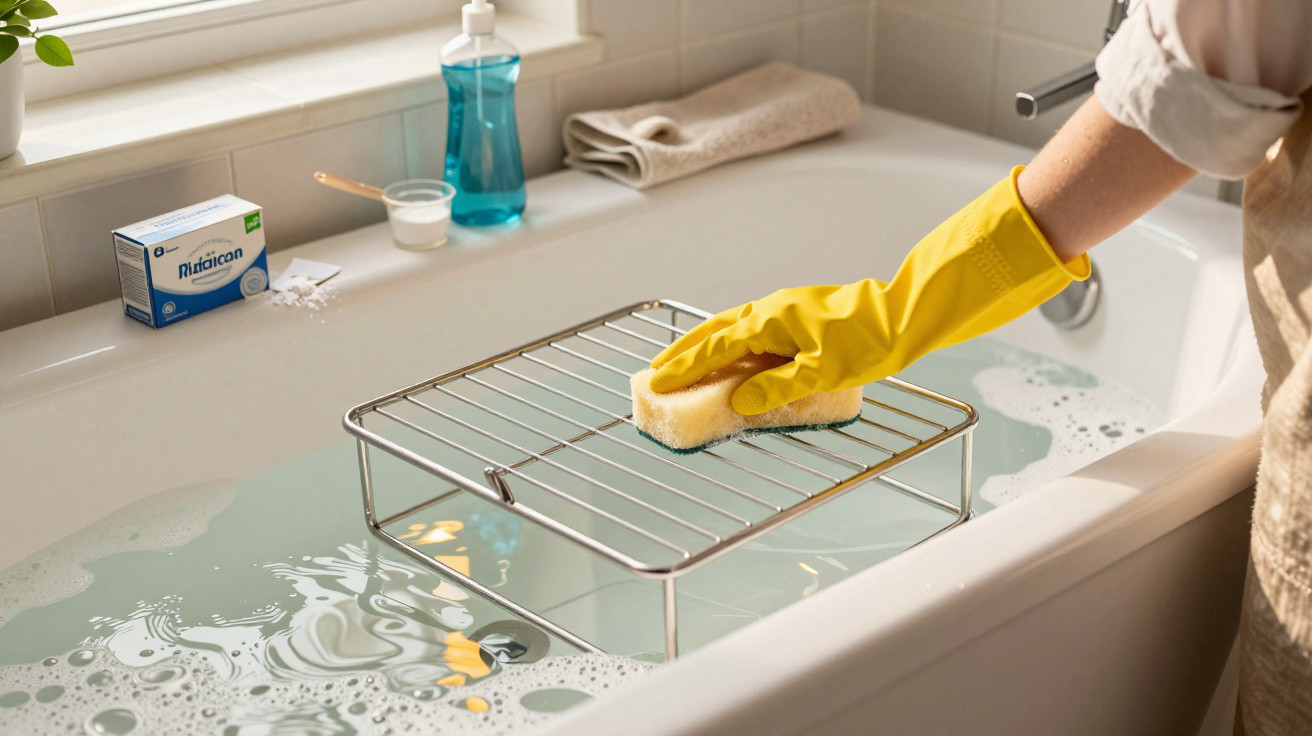
With one straightforward method, this becomes remarkably easy.
Burnt-on fat splatters, baked-on marinade and dark crusts: after a few months of everyday use, oven racks can look truly grim. Anyone who has ever scrubbed one in the kitchen sink will know the problem – water goes everywhere, half the rack remains above the waterline, and there is little to show for the effort. Yet there is a surprisingly simple solution that hardly anyone uses, and it works without harsh chemicals.
Why oven racks stay so stubbornly dirty
Cleaning the oven has become a regular task in many homes: the glass door, interior walls and sometimes even the baking trays get attention. The rack, however, is rarely included. There are obvious reasons for this.
- It is bulky and often will not fit fully into the sink.
- The gaps and edges are difficult to reach.
- Grease and sugar from marinades bake straight into the metal.
- Many people avoid the effort and put it off “until later”.
When people do reach for a cleaning product, they often choose extremely powerful oven cleaners. While these remove plenty of grime, they produce a pungent smell, can irritate the respiratory system and may gradually damage the metal surface. In short, they are unpleasant for both people and the material.
An unusual place with powerful results: the bath as a secret weapon
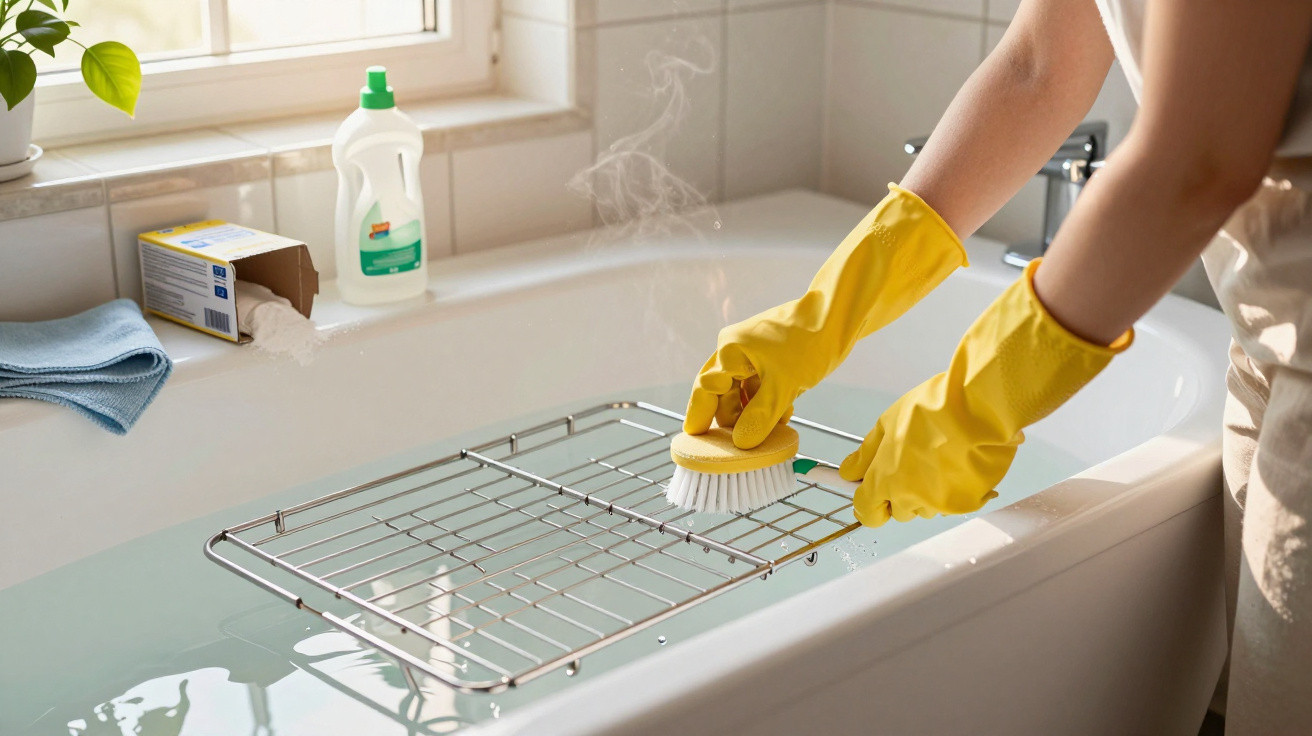
The key issue with an oven rack is its size. This is exactly where the unexpectedly obvious answer lies: rather than struggling with it in the sink, simply place the oven rack in the bath.
There, it has sufficient room to be fully submerged. This allows every centimetre of the metal bars to soak, which is essential if burnt-on grease is to loosen at all.
“Soaking the oven rack in the bath saves a great deal of scrubbing while protecting both the metal and your nerves.”
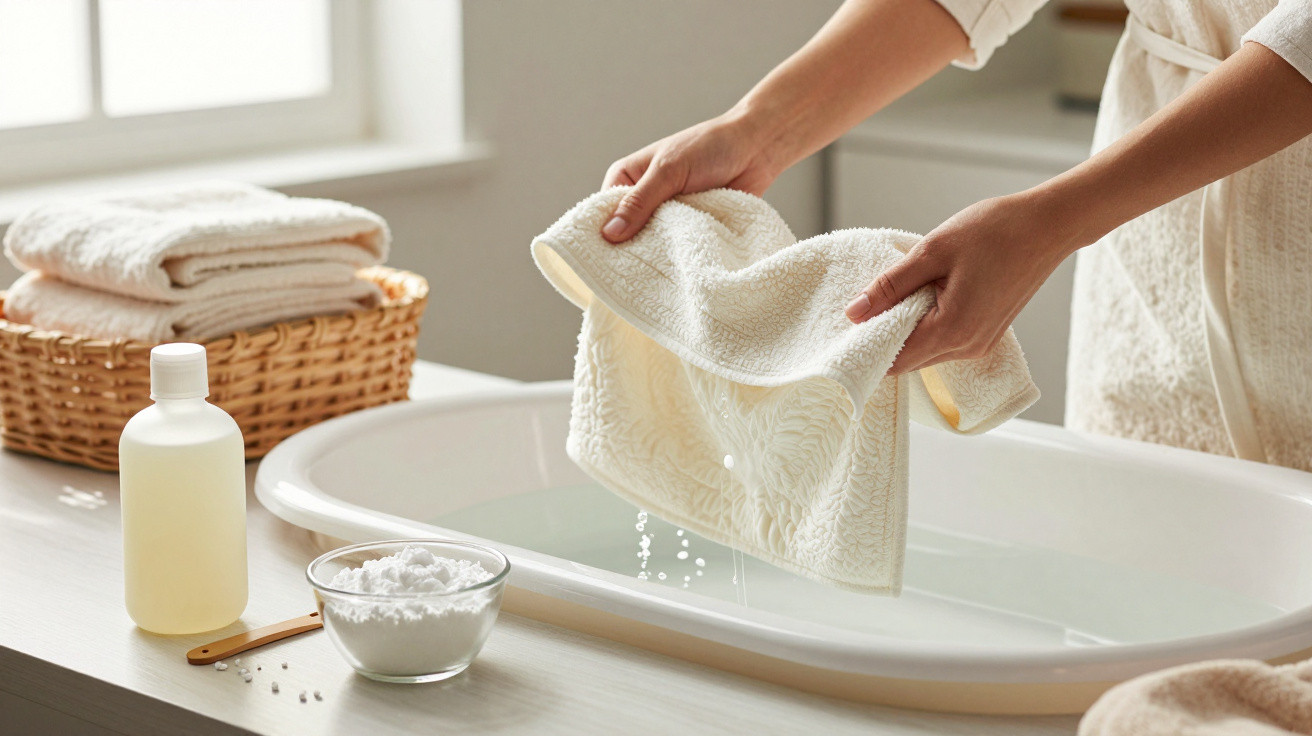
A simple measure is enough to prevent damage to the bath enamel: place a thick old towel, bath mat or two large towels on the bottom of the tub. This creates padding, prevents scratches and softens the noise when heavy racks are lifted in or out.
The oven rack cleaning mixture: three simple ingredients with a strong effect
Instead of a specialist cleaner, you need only three things found in almost every home:
- very hot water
- baking soda (sodium bicarbonate)
- grease-cutting washing-up liquid
Their roles are straightforward:
- Hot water softens dried food residue and greasy crusts.
- Baking soda is mildly abrasive and starts to lift layers of grease and dirt.
- Washing-up liquid breaks grease down into smaller particles that detach from the metal.
The following approximate quantities have proved effective:
| Ingredient | Recommended amount |
|---|---|
| Baking soda | approx. 150 g per fill |
| Washing-up liquid | approx. 50 ml |
| Water | enough to cover the rack completely |
If you do not have a measuring jug, use this as a rough guide: 150 g of baking soda is approximately one generously heaped mug, while 50 ml of washing-up liquid is just under one third of a standard small bottle.
The cleaning process, step by step
1. Prepare the bath
Place a towel in the dry bath and set the oven racks on top. If there is more than one rack, they can overlap slightly at an angle, provided water will be able to reach all areas later.
2. Fill with hot water
Fill the bath with hot water until the racks are fully submerged. The hotter the water, the more effectively the dirt will loosen. It does not need to be boiling; very hot tap water is sufficient in most cases.
3. Add baking soda and washing-up liquid
Sprinkle the baking soda evenly across the water’s surface. Next, add the washing-up liquid and gently stir everything with your hand or an old brush so both ingredients disperse through the water. A little foam is perfectly fine.
4. Soaking time: patience pays off
Leave the racks to soak for at least 30 minutes. This is often enough for normally dirty racks. If they have not been cleaned for years or are heavily baked on, they can remain in the bath for several hours or overnight without issue.
“The longer the rack sits in the mixture, the more work the water does – and the less scrubbing is needed afterwards.”
5. A light finish instead of hard scrubbing
Once the soaking period is over, wipe away the loosened dirt with a soft brush or the regular sponge side of a washing-up sponge. In many cases, the sponge will glide over the metal almost by itself because the grease and crusts have already lifted.
6. Rinse thoroughly and dry
Rinse the racks with clean water until no foam remains. Then dry them properly, either with a tea towel or by leaving them to air-dry. To prevent rust marks, it is best to give the bars a quick wipe before putting the rack back into the oven.
Why this method is kinder to the oven rack
Compared with harsh oven cleaners, the combination of baking soda and washing-up liquid works far more gently. It does not attack the protective layer of the metal, allowing the surface to retain its shine. As very little force is required, brushes and sponges wear out more slowly, and fewer micro-scratches develop.
It also reduces exposure to aggressive fumes, which is not only beneficial for people with sensitive airways. Homes with children or pets also benefit from this lower-chemical option.
How often should oven racks really be cleaned?
There is no rigid rule, but a general guide is useful. If you regularly grill, make bakes or cook meat directly on the rack, use the bath method after periods of intensive cooking.
- Occasional bakers: every 3–4 months
- Frequent users dealing with lots of grease and marinade: roughly once a month
- After “extreme incidents”, such as overflowing bakes: as soon as possible
Keeping to a rough schedule prevents five or six layers of grease and sugar from building up on top of one another. Each clean then becomes considerably quicker and easier.
What to consider with coated racks and cast iron
Many modern ovens have chrome-plated or enamelled racks, while some appliances also use cast iron. The following applies to the baking soda and washing-up liquid method:
- Chrome-plated racks: generally unproblematic, but do not use harsh metal scourers.
- Enamelled racks: use soft sponges and do not scrape with sharp knives.
- Cast iron: dry thoroughly after cleaning to prevent surface rust.
If you are unsure, test the method on an inconspicuous spot before soaking the entire rack. Baking soda is very mild, but it is still worth checking the oven manufacturer’s instructions, especially for specialist coatings.
Practical additions for a consistently clean kitchen
Small habits can stop an oven rack from reaching a disastrous state in the first place:
- Whenever possible, cook greasy oven dishes with a baking tray underneath to catch drips.
- Once it has cooled, quickly wipe away any marinade that has dripped down before using the oven again.
- When cleaning the bath next time, include the rack and baking trays too – one task, twice the benefit.
Anyone who uses baking soda regularly can keep a larger supply at home. Packs of the powder are inexpensive, have an almost unlimited shelf life and are useful for other household jobs as well: cleaning pan bases, neutralising odours in the fridge or serving as a gentle scouring powder for the kitchen sink.
The bath method clearly shows how effective simple products can be when they are combined intelligently. Rather than kneeling by the oven with a face mask and specialist cleaner, let hot water, baking soda and washing-up liquid do the work. It saves time, is easier on your nerves and, as an added benefit, makes the oven rack look as it did when it first came out of the box.







Comments
No comments yet. Be the first to comment!
Leave a Comment