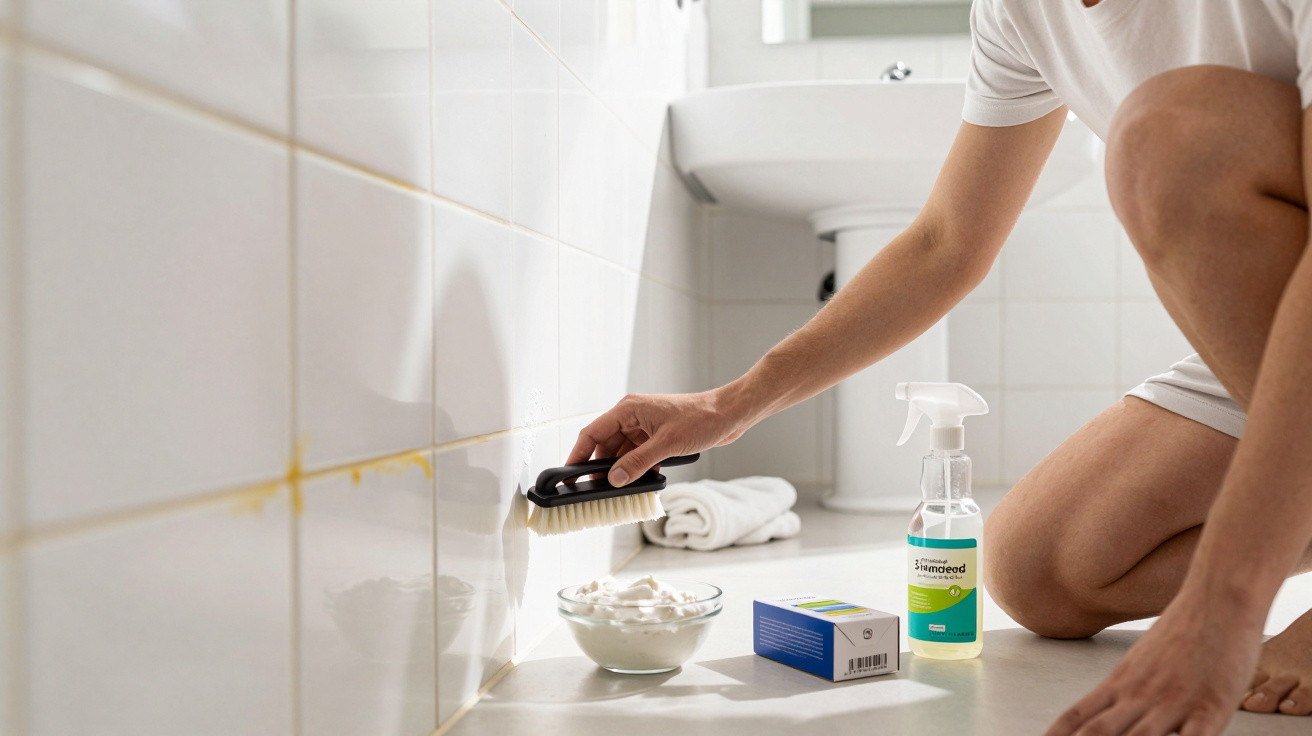
The clip starts playing before you have properly clocked what is on screen: a pink-gloved hand, a yellowing shower tray and the strangely gratifying sight of grimy grout becoming brilliant white with a single pass. Its caption promises: “3 INGREDIENTS – 15 MINUTES – NEW TILES!” You stop scrolling and glance at your own bathroom. Under unforgiving bathroom lighting, the joints between your tiles now seem darker, more worn and slightly embarrassing.
You play it a second time. Bicarbonate of soda, bleach and washing-up liquid. A toothbrush. The comments overflow with hearts, “life-changing” and “where has this trick been all my life?”
Further down, however, there is a less excitable reply: “Professional cleaner here. Please don’t do this. You’re wrecking your bathroom.”
It creates that familiar conflict between instant results and gradual harm.
The viral 3-ingredient grout hack that’s everywhere right now
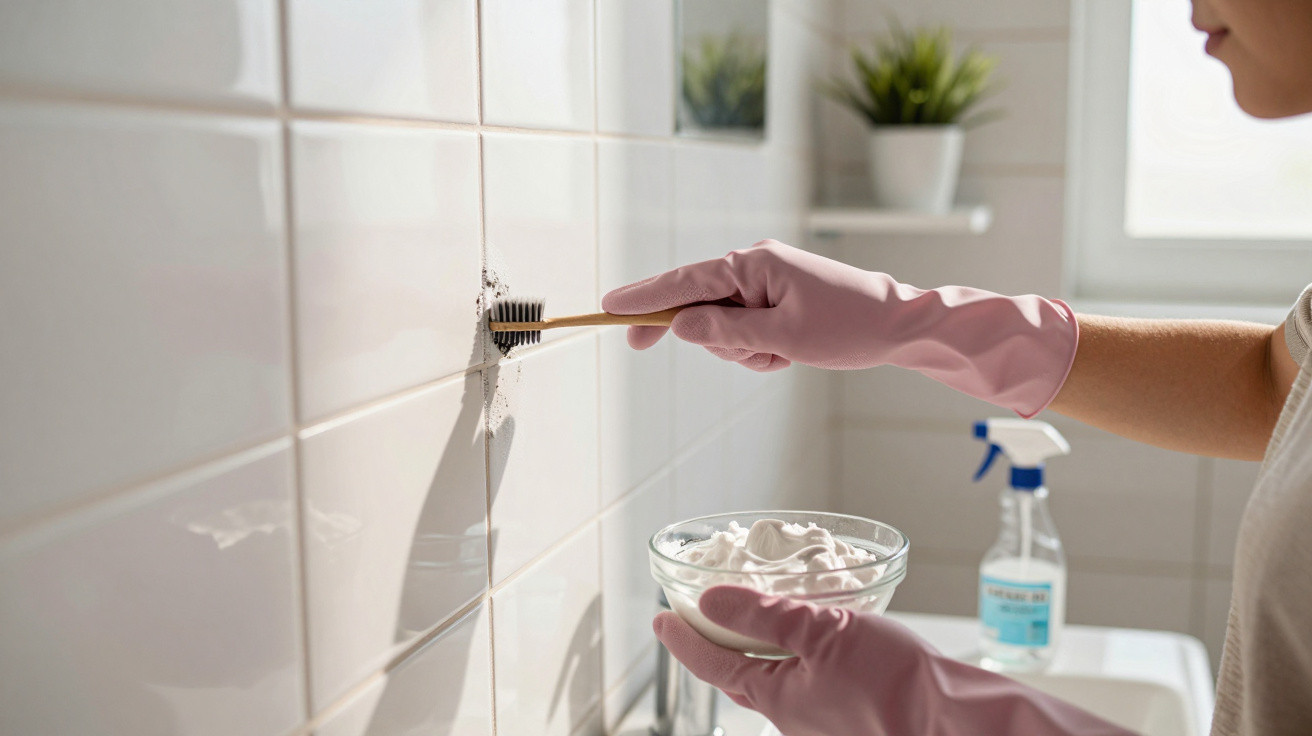
The formula could scarcely be easier: a spoonful of bicarbonate of soda, a large squeeze of washing-up liquid and a dash of bleach. Stir it into a thick, creamy paste, spread it over the grout, leave it for several minutes and scrub. The video moves in close, delivering the near-instant satisfaction of brownish grout changing into crisp, hotel-bathroom white.
Across TikTok and Instagram Reels, the 3-ingredient grout hack is presented as hidden knowledge that cleaners would rather keep to themselves. Fast edits, cheerful music and magical-looking before-and-after shots make it precisely the sort of post you save at 11:47 p.m., promising yourself that Saturday is the day you will finally try it.
Emma, a 29-year-old London renter I spoke with, tested it on a small section of her shower one Sunday evening “just to see”. For months, she had looked at the grey grout lines and accepted that they were “just old.” She made the mixture in a used yoghurt pot, applied it with a brush and, ten minutes later, was sending friends photographs saying: “LOOK AT THIS. I DID THIS.”
She had not opened up the room much for ventilation or put on a mask. Her bathroom smelled of a swimming pool mixed with lemon detergent. But her grout was dazzlingly white-the sort of white that suddenly makes every surrounding tile appear in need of therapy.
At first glance, the science appears reasonable. Bicarbonate of soda provides gentle abrasive action, washing-up liquid breaks down body oils and residue, and bleach attacks stains, mould and bacteria. Combined, they work like a miniature demolition crew, removing built-up dirt in minutes.
That is also why professional cleaners and tilers recoil when they encounter it. Bleach kills mould, but repeated use may also erode grout, degrade sealants, bleach tile designs and corrode metal fixtures. The immediate improvement is genuine, but so is the possible cost further down the line.
What cleaners say this “miracle paste” actually does to your bathroom
Look beyond the enthusiastic comments and you will find people who clean bathrooms professionally making a similar point: the viral mixture may produce the best “after” image you have ever taken, yet using it repeatedly can steadily ruin the very bathroom you are attempting to restore.
Grout is intentionally porous and somewhat delicate. It is not designed to withstand ongoing exposure to aggressive chemicals. Bleach can weaken it, create fine cracks and expose tiny openings through which water can enter. Once water gets into grout, mould can develop within the wall rather than merely on its surface.
Professional cleaners and tilers can recount plenty of cautionary examples: a family that applied a bleach mixture monthly, then could not understand why their grout began to crumble and tiles came loose from the shower wall; or a landlord who believed tenants had “abused” the bathroom before learning that overzealous DIY cleaning hacks had caused the damage.
One commercial cleaner described bathrooms in which the metal edging around shower screens had become pitted and rusty after bleach was splashed on and allowed to remain. Chrome taps had lost their lustre, while rubber seals around shower doors had distorted and split. The grout looked impressive-until it did not.
Several technical issues are at work. To begin with, bleach is strongly alkaline and chemically harsh, particularly on cement-based grout. When used neat or at excessive strength, it gradually dissolves the binding material that keeps grout intact. If it penetrates unsealed grout and is not rinsed away completely, it may remain inside and prolong that deterioration.
There is also the unseen product-cocktail risk. Bathrooms often already carry traces of other products, including vinegar sprays, descalers and ammonia-based cleaners. Accidentally combining any of them with bleach can produce irritating or dangerous fumes. The hack never mentions what was on your tiles before you started scrubbing.
A safer way to rescue tired grout without wrecking your tiles
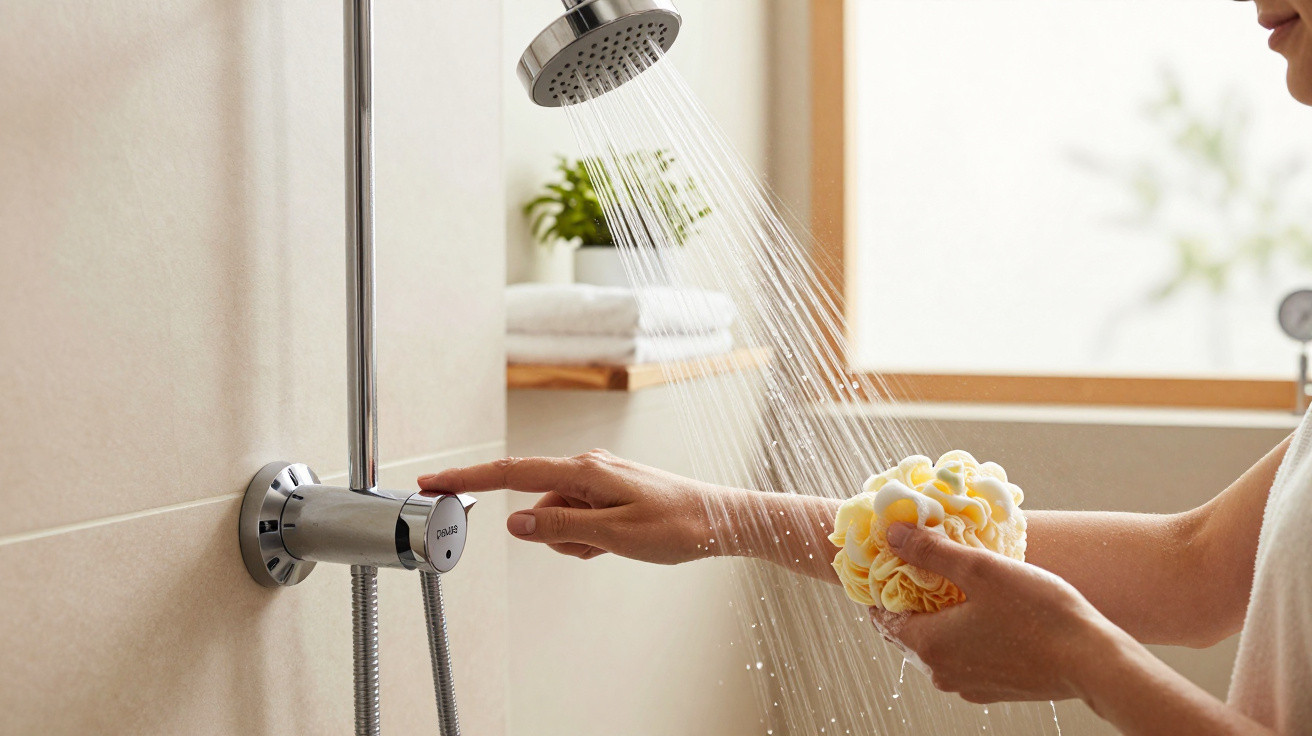
Where grout is simply dull rather than deteriorating, professionals often recommend a milder three-stage process. Start by running a hot shower to steam the room slightly and loosen the dirt. Next, apply a paste made only from bicarbonate of soda and mild washing-up liquid along the grout lines using a small brush, then leave it for 10–15 minutes. Finish with careful scrubbing and a very thorough rinse in warm water.
For minor mould marks, many professionals choose oxygen bleach powder-typically based on sodium percarbonate-mixed with water instead of chlorine bleach. It remains effective on stains, while being less harsh on grout and less likely to damage metal fittings or irritate your lungs.
Cleaners also stress that how often you clean matters as much as which product you select. Treating grout monthly with a mild cleaner is considerably kinder than using an extreme method twice each year. Wipe surfaces quickly after showering, use a non-bleach bathroom spray weekly, and the supposed “miracle” solutions become unnecessary.
Of course, few people manage this every day. Life intervenes, towels remain on the floor and the extractor fan is not always turned on. This is why people find themselves doom-scrolling cleaning videos at midnight in search of one trick that can reverse 18 months of “I’ll deal with it later.”
According to cleaners, impatience and misplaced confidence cause the greatest problems: leaving harsh products on grout because they need to “work longer”, scrubbing with metal brushes, or combining cleaners on the assumption that “more must be better.” Tiles do not signal their distress immediately. The damage often emerges silently, months later, with an expensive repair bill.
“People call us furious at their landlord or at the builder,” says Ana, a professional cleaner who works in short-term rentals. “But when we look closely, we see what’s really happened. The grout’s been nuked with hacks so many times it’s just given up. The bathroom didn’t age. It was worn out by shortcuts.”
- Avoid the chlorine cocktail for everyday cleaning; keep bleach for occasional, targeted mould spots only, and rinse exceptionally well.
- Clean grout with a soft brush or an old toothbrush, rather than metal scouring pads that remove the surface.
- Ventilate and patch-test in a discreet, small area before using any new online cleaning method.
- Once the grout is clean, consider resealing it to slow down the absorption of stains and moisture next time.
- Call a professional when grout is cracked, flaking or permanently stained, as cleaning cannot solve structural damage.
Between instant transformation and slow care, where do you land?
The appeal of the 3-ingredient grout hack lies in how it seems to compress time. In fifteen minutes, it offers the emotionally satisfying feeling of a “new bathroom” without a bill running into thousands. It speaks to a wider frustration: homes seem to age faster than we can maintain them, chores are always piling up, and there is never quite enough time.
Yet cleaners who say the method “destroys your bathroom” are advocating something much less glamorous: upkeep, patience and unexciting regularity. It may not make compelling content, but it is what preserves grout and keeps tiles secured to the wall.
Perhaps the real divide is not DIY versus professional guidance, but what looks impressive on a screen versus what survives in a damp corner through five winters. One approach focuses on the “after” photograph; the other takes a ten-year view.
If you have tried the hack and enjoyed its results, you are far from alone. Nor are you alone if you now regret it because your grout is crumbling. The question lingering in the shower steam is straightforward: when your feed next serves up a new miracle paste, will you stop long enough to consider what it could cost your bathroom in five years?
| Key point | Detail | Value for the reader |
|---|---|---|
| Bleach-based hacks are aggressive | Frequent use or overly strong mixtures can weaken grout, fade tiles and corrode metal | Helps prevent concealed long-term harm caused by a “quick fix” |
| Gentle routines work long-term | Bicarbonate of soda, mild soap and oxygen bleach, alongside regular light cleaning, safeguard grout | Offers a practical way to keep tiles clean without damaging them |
| Know when to call a pro | Cracked, crumbling or deeply stained grout often requires repair rather than further chemicals | Saves money and stress by preventing excessive scrubbing of grout that is already failing |


Comments
No comments yet. Be the first to comment!
Leave a Comment