
Many people keep the same bed linen in place for extended periods without recognising the risks to everyday wellbeing. Knowing when to replace these items helps support restful nights, limiting the growth of microorganisms that may harm the body and ensuring thorough protection.
What is the ideal interval for changing bed linen?
Specialists recommend changing bed linen every seven days to keep the bedroom hygienic. Leaving it for a fortnight or a full month encourages the ongoing build-up of invisible dirt, which can affect the restorative rest of the whole family each day.
Even when fabric appears visibly clean, microscopic residue increases through continual daily use. Following a weekly routine prevents harmful agents from multiplying within the fibres, helping to protect respiratory health and improve household comfort.
How often should you change your sheets?
Many people leave a set of bed linen on for weeks without noticing the impurities present, but specialists recommend a shorter interval.
Why can keeping the same sheets for weeks harm your health?
During deep sleep, the human body naturally sheds thousands of skin cells and releases fluids that settle into the fabric weave. This accumulated moisture creates a highly favourable setting for the rapid spread of unwanted dust mites and various types of fungi.
Continuous exposure to these microorganisms may trigger severe allergic flare-ups, serious skin irritation and breathing difficulties upon waking. Without regular washing, the air quality in the room can decline, making the environment more hospitable to harmful allergens.
Below is a video from the Band Jornalismo YouTube channel that explores the points discussed in this topic in greater depth:
Which factors require even more frequent washing?
Very hot weather increases overnight perspiration, meaning sheets should be changed more often. People who sweat heavily should bring forward their washing routine to prevent excessive moisture from quickly damaging the pillowcase.
Allowing pets onto the bed also calls for extra care because of hair and outdoor residue carried in on their paws. Together, these factors speed up fabric contamination, making frequent changing essential for personal hygiene.
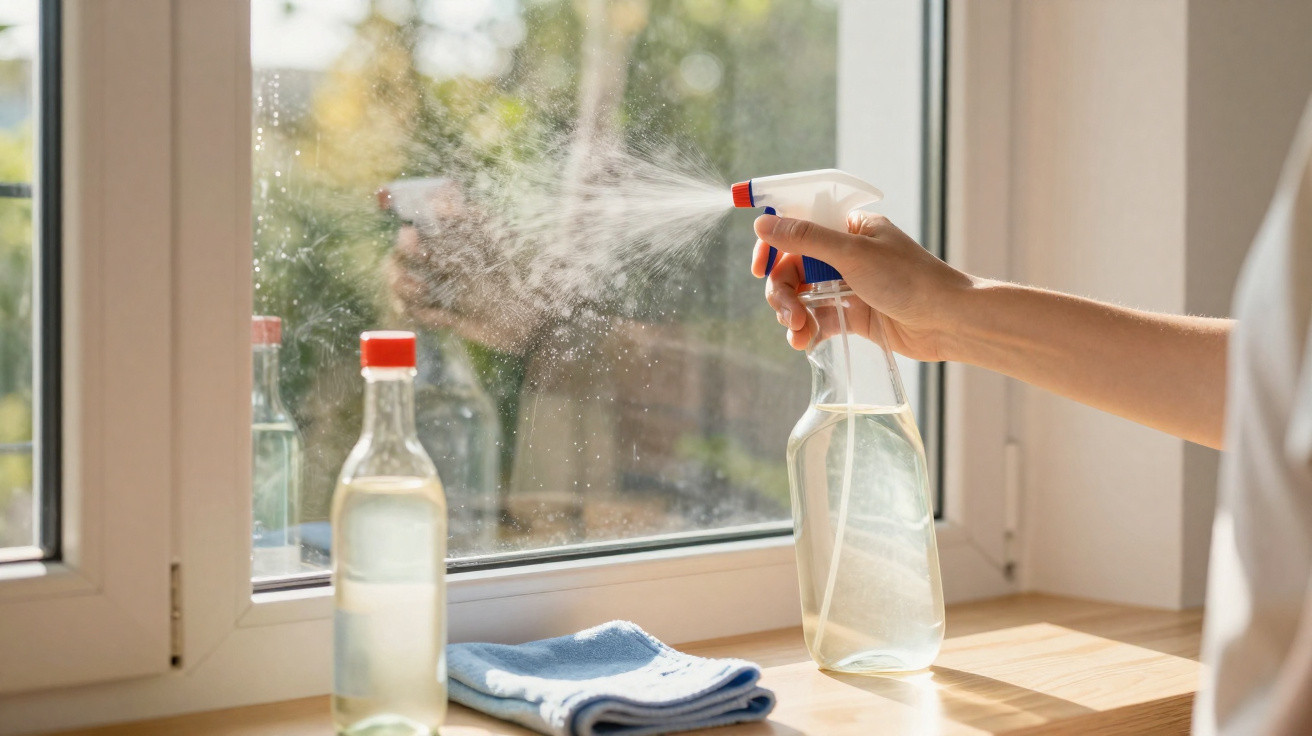
Essential hygiene kit
Basic bedroom care
Key actions for keeping the bed consistently clean:
- Change pillowcases and sheets every seven days.
- Wash the fabrics in warm water with mild detergent.
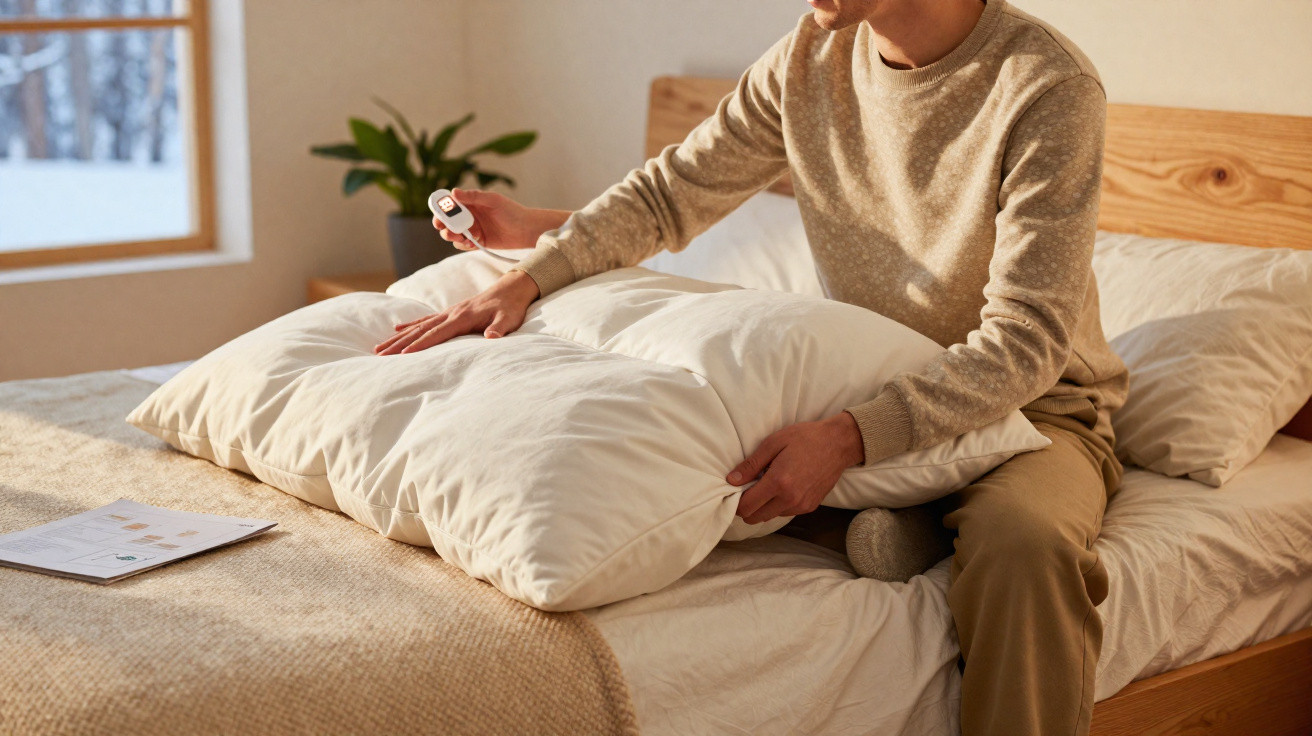
- Air the mattress and pillows every week.
How should bed linen be washed properly?
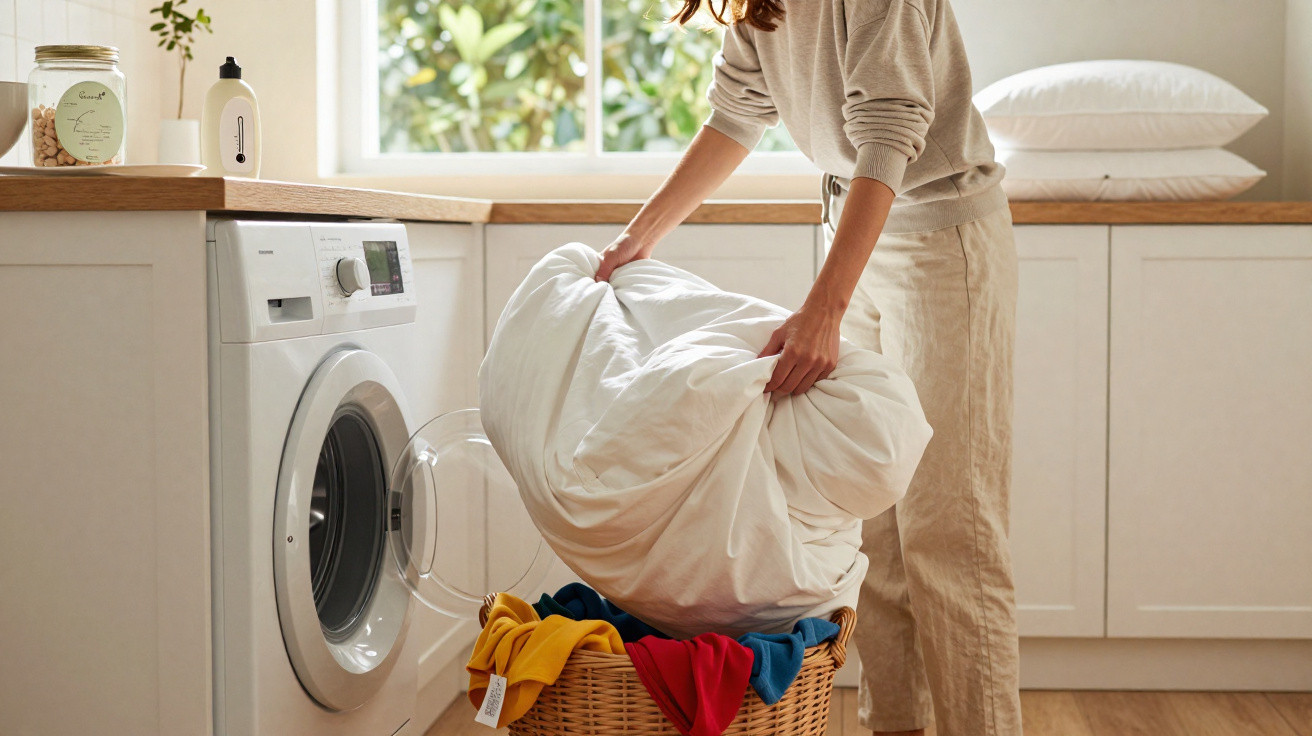
Proper cleaning requires a suitable detergent and temperatures that help remove microorganisms embedded in the weave. Using warm water helps dissolve accumulated body oils, ensuring the fabric is thoroughly clean and fresh-smelling.
Drying each item completely in the sun or in a well-ventilated place prevents mould from developing on stored fabric. This care maintains the condition of textile fibres, providing greater durability for each set and an excellent thermal feel.
Consider these practical recommendations when planning how to wash your sheets:
- Rotate bed linen sets every week.
- Wash pillowcases more frequently if there is excess oiliness.
- Dry fabrics somewhere well ventilated and airy.
How can you keep the bedroom environment protected from impurities?
As well as replacing bed linen, using waterproof protective covers for mattresses and pillows provides a valuable physical barrier. These accessories stop sweat from reaching the inner layers, making maintenance easier and preventing deep contamination.
Keeping the bedroom well aired, with a steady flow of fresh air, helps disperse moisture that builds up overnight. Combining natural ventilation with regular changes of bed linen ensures a genuinely healthy space for your daily rest.











Comments
No comments yet. Be the first to comment!
Leave a Comment