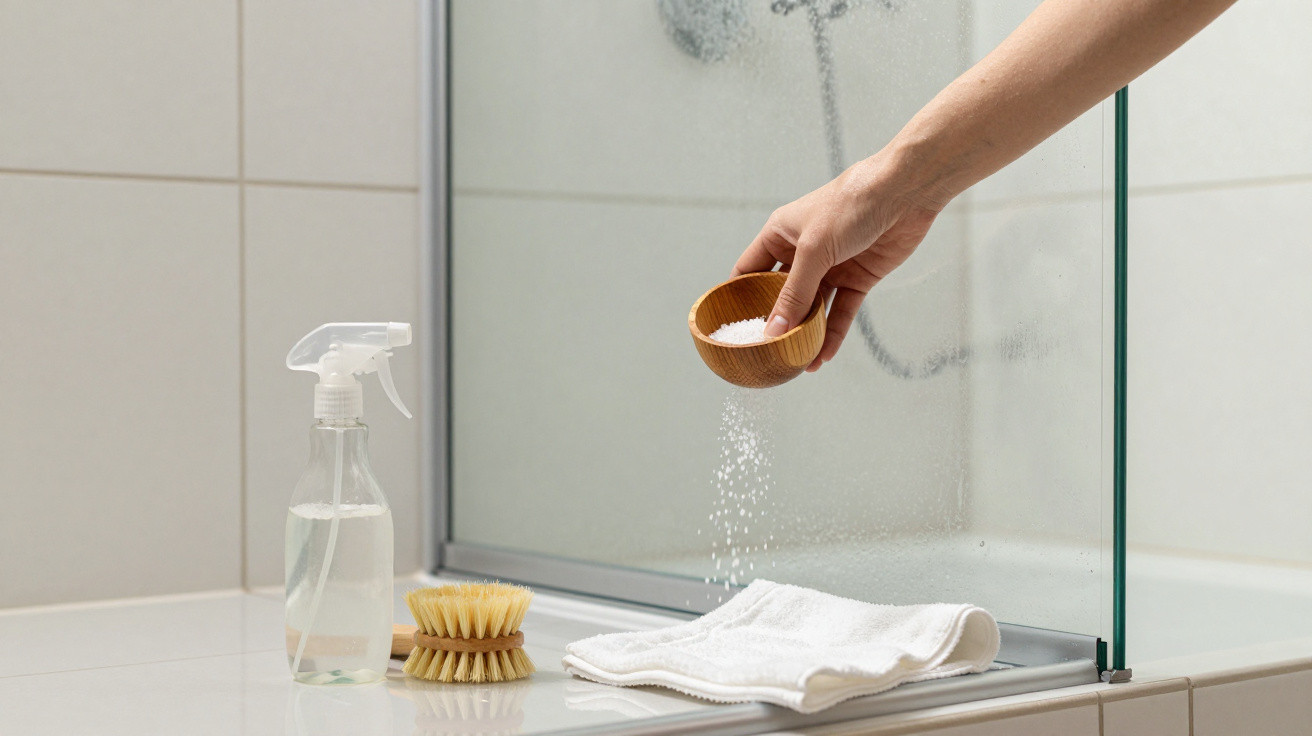
The corners of a shower enclosure often collect soap residue, moisture, slime and dark marks on the grout. For this reason, many people have started using coarse salt as a simple aid for cleaning these awkward areas. Salt is not a replacement for thorough cleaning, but it may help lift surface dirt and reduce moisture that has built up in the corners, especially when it is used correctly.
What is the purpose of using coarse salt in shower enclosure corners?
Coarse salt works mainly as a mild abrasive. Its grains create friction on grout, flooring and the small corners of the shower enclosure, helping to loosen residue that has become stuck after repeated showers. This may assist with removing surface grime, soap remnants and minor traces of slime.
Salt is also used because it can absorb moisture. In bathrooms with limited ventilation, shower enclosure corners remain damp for longer. Applied carefully, salt can help lessen this build-up of dampness, although it will not independently deal with leaks, water ingress or deeply embedded mould.
When should this method be used?
The most suitable time to use coarse salt is during bathroom cleaning, particularly if the shower enclosure corners look slippery, whitish or slightly darkened. It can also be helpful after particularly humid spells, such as rainy weeks or days when the bathroom has remained closed.
There is no need to use it every day. Generally, applying it weekly or fortnightly is enough for maintenance. If dirt builds up quickly in the shower enclosure, it is better to improve ventilation and dry the area after showering rather than relying on salt alone.
How should coarse salt be applied correctly?
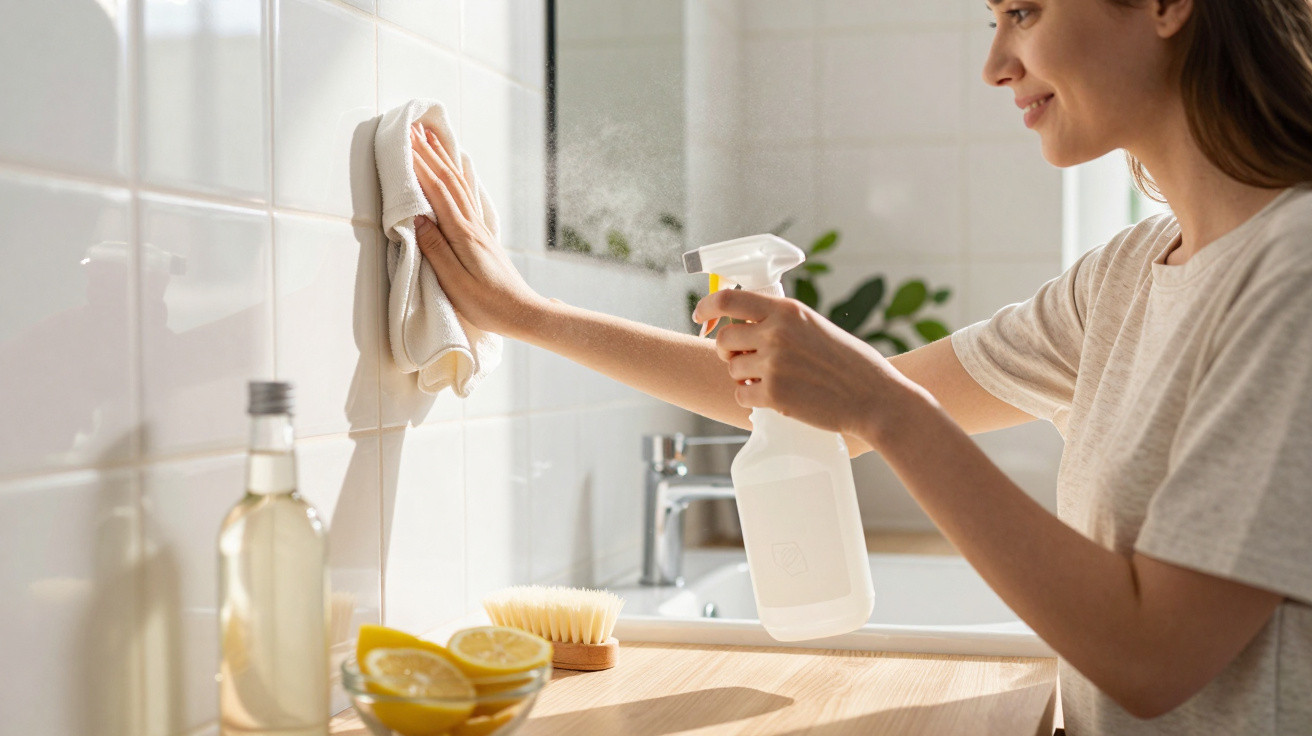
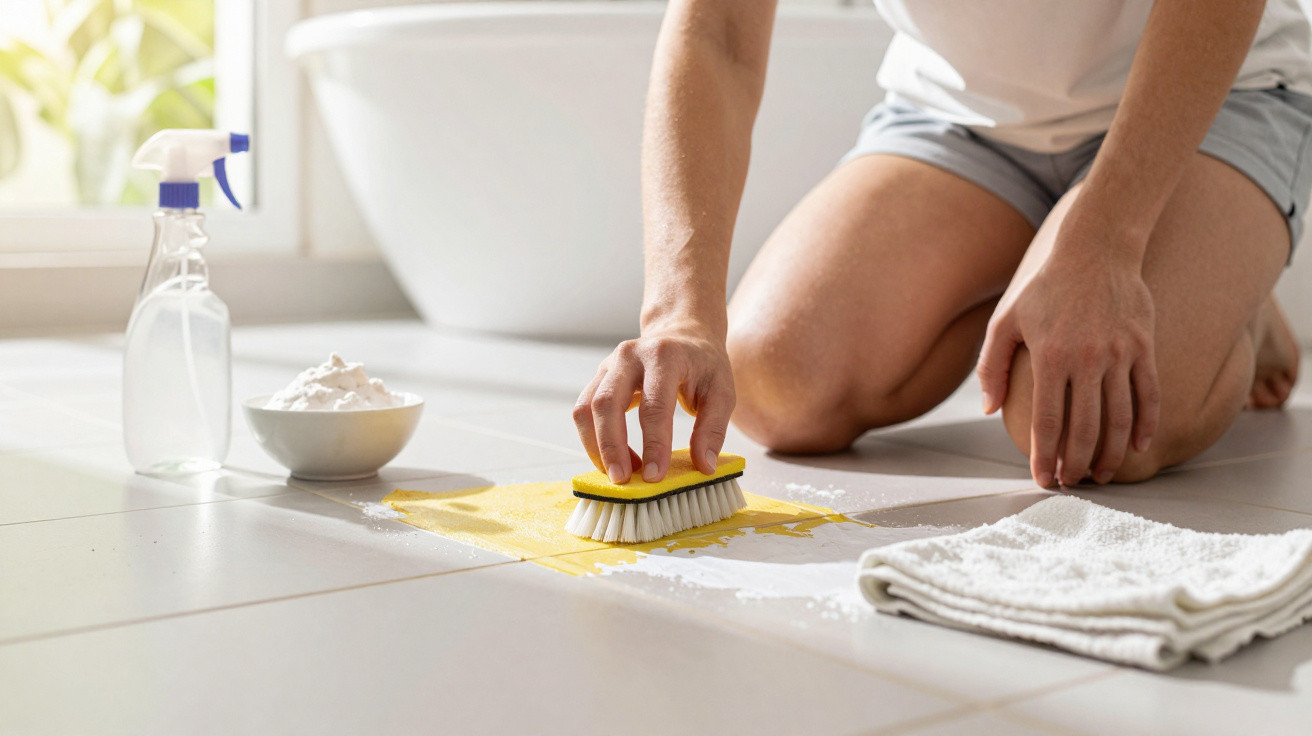
The process is straightforward, but care is required to avoid scratching delicate finishes. Before starting, lightly dampen the shower enclosure corners or wipe them with a damp cloth. Next, scatter a small amount of coarse salt and scrub with a soft brush or a non-scratch sponge.
- Lightly wet the shower enclosure corners;
- spread a small amount of coarse salt;
- scrub with a soft brush, without applying excessive pressure;
- leave it to work for a few minutes;
- rinse thoroughly so that no residue remains.
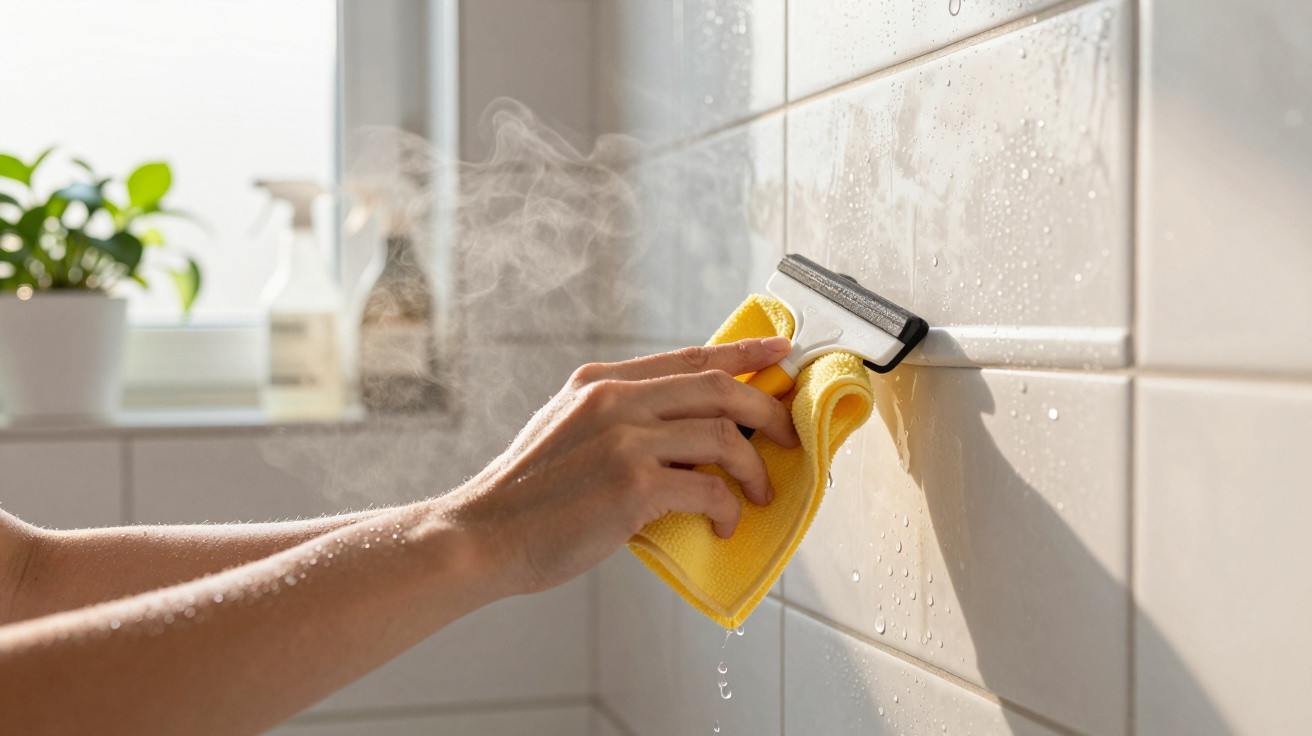
Once cleaning is complete, dry the area with a cloth or squeegee. This makes a difference, as leaving standing water in shower enclosure corners encourages slime and unpleasant odours to return.
What precautions should be taken to avoid damaging the shower enclosure?
Coarse salt should not be used with excessive pressure, especially on natural stone, metal, specially treated glass or sensitive surfaces. Because the grains create friction, aggressive scrubbing can leave scratches.
It is equally important to rinse extremely well. Salt residue left on metal parts, tracks, screws and finishes may contribute to staining or corrosion over time. Therefore, this method is best suited to grout and floor corners, provided that all residue is completely removed afterwards.
How can dirt be prevented from returning to shower enclosure corners?
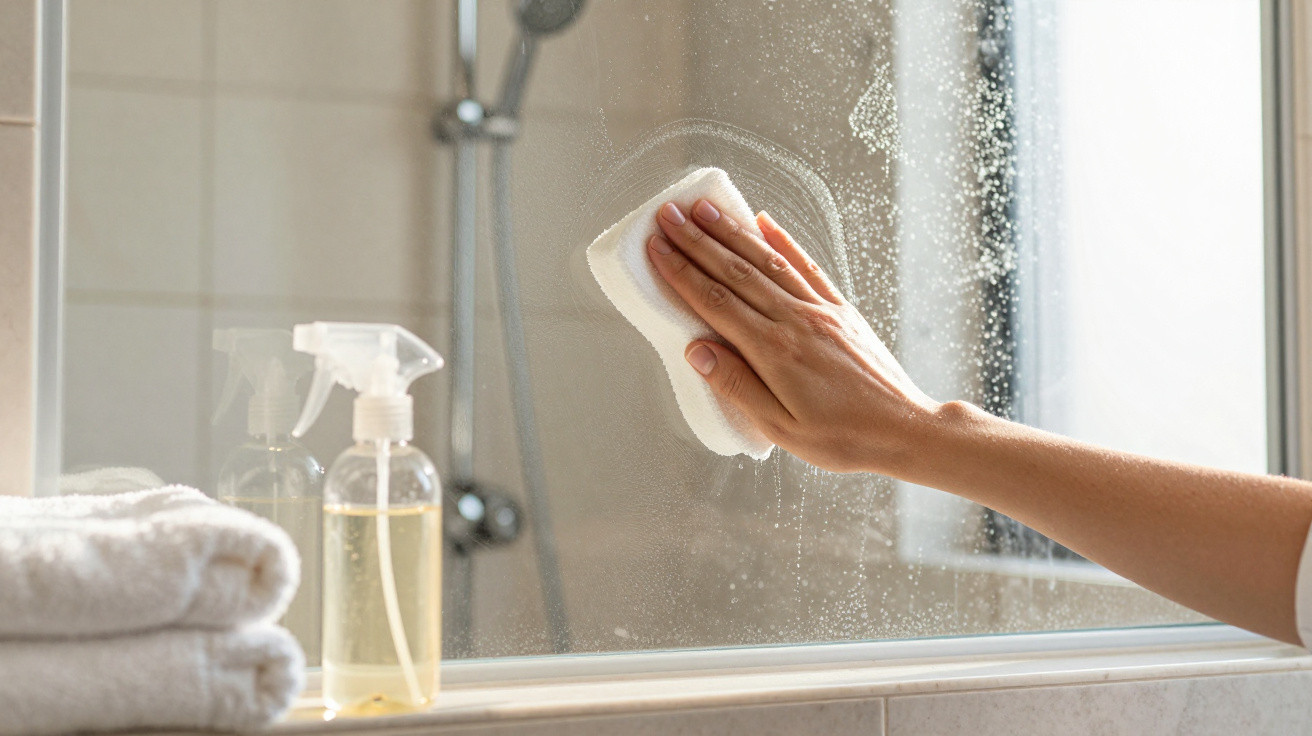
Prevention is what truly keeps the bathroom cleaner for longer. After showering, using a squeegee on the glass and floor greatly reduces moisture. Leaving the door or window open for a few minutes also helps disperse steam.
Coarse salt can be a simple ally in shower enclosure maintenance, but lasting results come from combining regular cleaning, ventilation and drying. Used sparingly, it helps release residue and manage dampness in the corners. If it is overused or not rinsed away, however, it may have the opposite effect and leave marks on delicate surfaces.








Comments
No comments yet. Be the first to comment!
Leave a Comment