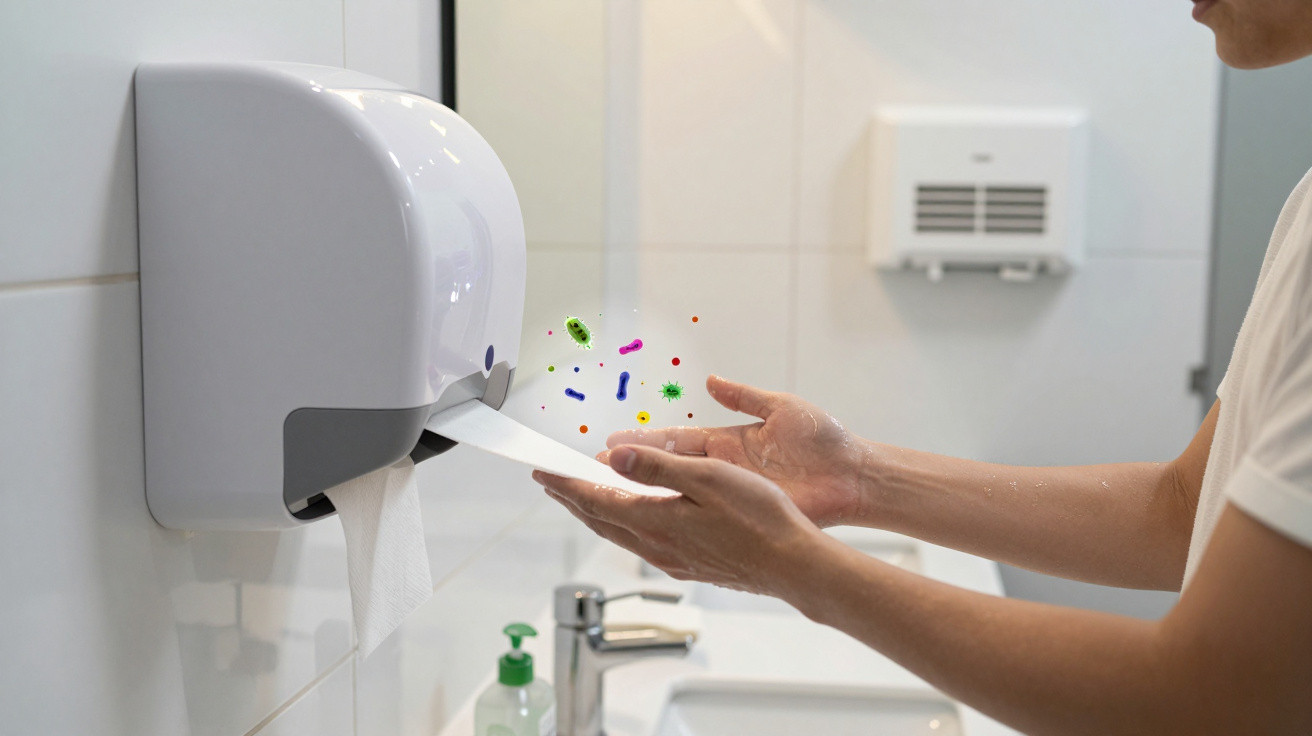
Anyone who dutifully washes their hands after using the toilet may feel protected. But what if the machine intended to dry clean hands covers them in germs again? A British scientist has used a simple experiment to reveal what many hand dryers actually blow on to users’ faces and fingers – and the images have sent shivers through social media around the world.
A simple experiment with a striking result
The researcher, who appears on TikTok as Devon Science, set out to discover how heavily public-toilet hand dryers are contaminated with germs. Rather than relying on costly high-tech equipment, she used a standard microbiology tool: Petri dishes containing culture medium.
The test arrangement was remarkably straightforward. She placed one dish directly beneath a running hand dryer, which drew in air from the toilet and blew it over the culture medium. A second dish was left uncovered in the laboratory as a control, exposed to clean room air well away from the toilet.
After one day in an incubator, the contrast was dramatic. The control dish remained almost clean, while the dish used beneath the hand dryer was covered in small yellow, black and white dots and patches – indicating dense growth of bacteria and fungi.
The Petri dish beneath the hand dryer was covered in germ colonies, while the control dish remained almost empty. This points to extensive circulation of toilet germs.
Which germs may end up back on hands
Although the experiment does not identify every individual bacterium, it demonstrates the kinds of germ groups repeatedly detected in toilets. Some are distinctly unpleasant:
- Staphylococcus aureus: Commonly found on the skin, it can cause pus-filled inflammation or abscesses in small wounds and, in severe cases, pneumonia.
- Escherichia coli (E. coli): A typical gut bacterium. If it passes from faeces to hands, door handles or hand dryers, it can trigger gastrointestinal infections.
- Fungal spores: Black spots often indicate mould spores or other fungal spores. This can be particularly problematic for people with allergies or weakened immune systems.
These micro-organisms do not enter the airflow from nowhere. Every public toilet contains airborne germs, while others settle on door handles, toilet seats, flush buttons and inside the devices that draw in that air. Hand dryers can act like small germ cannons, distributing these particles all over again.
Why hand dryers spread germs so widely
The main weakness of many units lies in their design and their exceptionally forceful airflow. Modern jet hand dryers are designed to dry hands within seconds, which requires extremely high air speeds.
- Very high air speed: Manufacturers promote airflows of up to several hundred kilometres per hour. At these speeds, tiny droplets can be lifted from surfaces, the floor and the machine itself – along with germs.
- Contaminated internal parts: In another test, Devon Science used a swab inside a hand dryer. The swab turned dark, suggesting substantial deposits of dust, skin flakes, bacteria and possibly faecal particles.
When the dryer is switched on, precisely this mixture can be stirred up again. Rather than distributing dry air alone, the device blows microscopic particles on to hands, faces and clothing, as well as into the surrounding air.
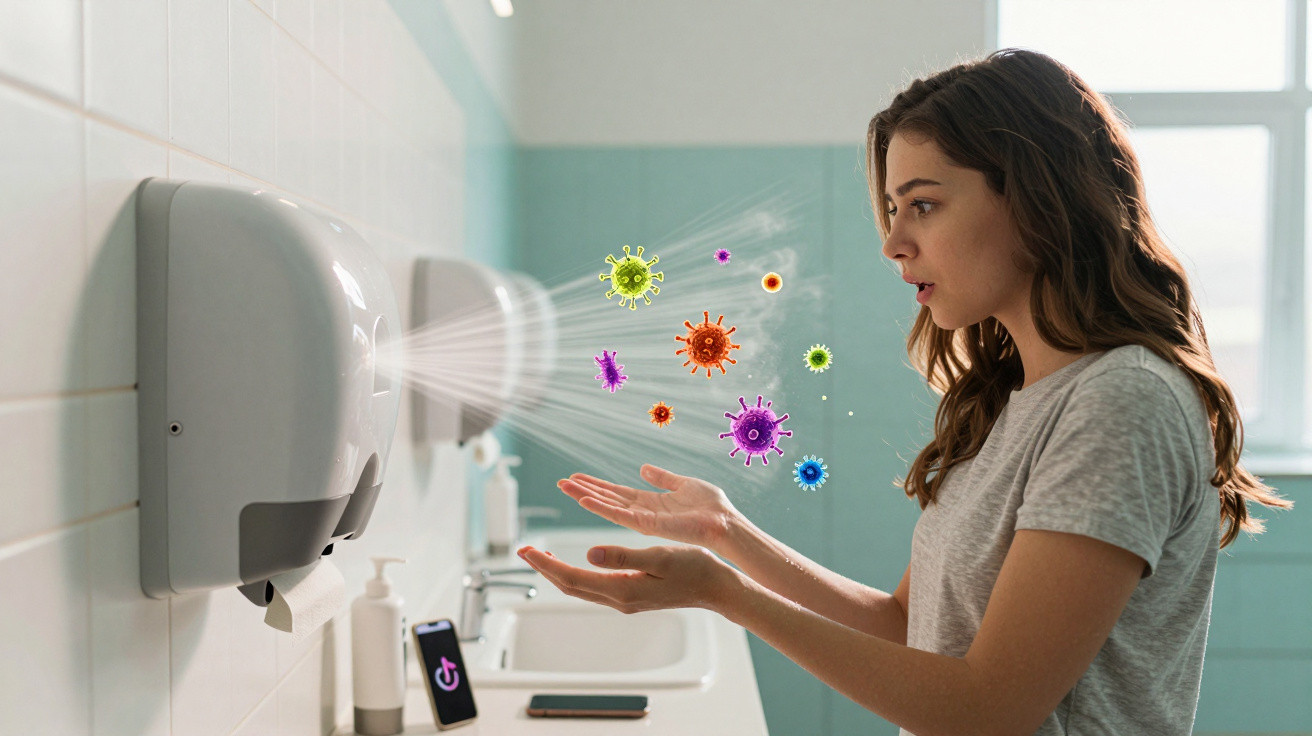
Every time a hand dryer starts, it can act like a small germ storm that reaches everything nearby – including freshly washed hands.
Why toilets quickly become germ spreaders
One frequently overlooked issue is flushing with the lid open. When a toilet is flushed without first closing the lid, tiny droplets rise from the bowl. They spread germs across walls, floors and door handles – and eventually into the area from which a hand dryer draws air.
Studies show that this “toilet plume” can carry germs several metres. In cramped, poorly ventilated spaces, some of these particles remain airborne for longer. Hand dryers pull in this air, concentrate it and blast it at users’ hands under high pressure.
Technical measures: HEPA filters and UV light
Manufacturers have responded to this criticism over recent years by upgrading their machines. Two technologies are particularly important:
- HEPA filters: These high-performance filters capture more than 99 per cent of particles down to 0.3 micrometres. In hand dryers, they can remove a large proportion of bacteria and fungal spores from incoming air before it reaches hands.
- UV irradiation: Some models also use ultraviolet light inside the unit. The UV radiation is intended to inactivate germs that settle in the air channels.
In theory, these systems substantially reduce the germ load. In practice, two issues remain: many toilets still have older, unfiltered machines, and even modern dryers only work properly when filters are replaced regularly and units are maintained. This is an area where operators often cut costs.
What this means in everyday life
The viral videos have sparked an intense debate across social media. Employees from hospitals, care homes and schools have spoken out, questioning whether towel dispensers may be the better option after all – even in facilities that aim to meet the highest hygiene standards.
Many users are changing their habits too: some briefly dry their hands with disposable paper, while others simply shake them dry and avoid the air stream altogether. Hygiene specialists caution against neglecting handwashing out of fear of hand dryers, but they do offer clear advice for reducing the risks.
Practical tips for your next public toilet visit
- Always wash thoroughly: Use soap for at least 20 seconds, including between the fingers and beneath the nails.
- Choose paper where possible: Disposable towels are regarded by many studies as a more hygienic option than warm-air dryers.
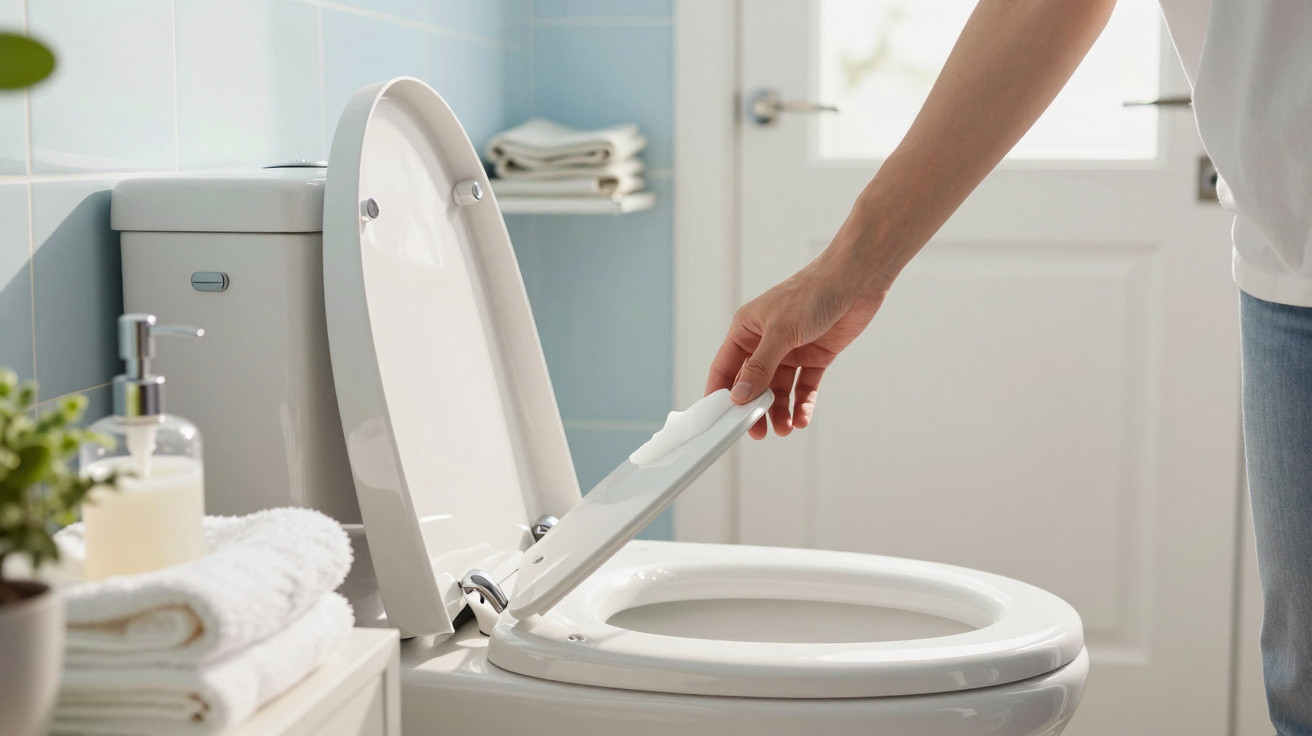
- Close the toilet lid: Lower the lid before flushing to limit the toilet plume.
- Keep your distance: If a hand dryer cannot be avoided, do not lean over it with your face directly above the outlet.
- Do not press hands against the opening: This avoids direct contact with potentially contaminated surfaces.
What toilet operators should check now
Operators of restaurants, cinemas, offices and railway stations would be wise to take a close look at their facilities. Businesses that advertise a “hygienic sanitary facility” increasingly face awkward questions if their washrooms still contain ancient, filter-free warm-air dryers.
Those making changes have several options:
- Switching to paper-towel dispensers, ideally in a closed unit.
- Installing modern hand dryers with HEPA filters and clearly defined maintenance intervals.
- Combining both systems so visitors can choose.
In places used by many vulnerable people – including hospitals, care homes and nurseries – many hygiene specialists clearly favour paper-based options. The costs of waste disposal and refilling must then be weighed against the risk of outbreaks in which germs are additionally spread by air currents.
Hygiene facts that are often misunderstood
Many people assume that “dry equals clean”. In reality, the crucial stages come earlier: while washing, when touching door handles and when leaving the room. Anyone who touches a door handle with bare hands after drying picks up further germs there, regardless of whether they used paper or air.
For this reason, some premises now use sensor-operated doors or handles that can be operated with the forearm. Such structural measures significantly reduce contact with critical surfaces and make hand dryers somewhat less concerning.
What terms such as “germs” and “bacteria” really mean
The word “bacteria” can quickly sound like illness, but most bacteria live alongside us completely harmlessly. They become problematic when unfamiliar species reach large numbers in places where they do not belong – for example, gut bacteria on hands that touch food.
Hand dryers do not create germs themselves; they only spread what is already present in their surroundings. That is exactly where the risk lies: toilets often contain particularly high levels of disease-causing organisms in the air and on surfaces, and a powerful airflow carries them to the place nobody wants them – freshly washed hands.
Anyone who washes their hands and then puts them into contaminated air undoes part of the hygiene benefit.
For everyday life, this means handwashing remains the most important protection. Where there is a choice, disposable towels perform better in most studies than unfiltered warm-air dryers. And operators who genuinely want to demonstrate good hygiene should plan their sanitary facilities not only to be modern, but above all to minimise germs.



Comments
No comments yet. Be the first to comment!
Leave a Comment