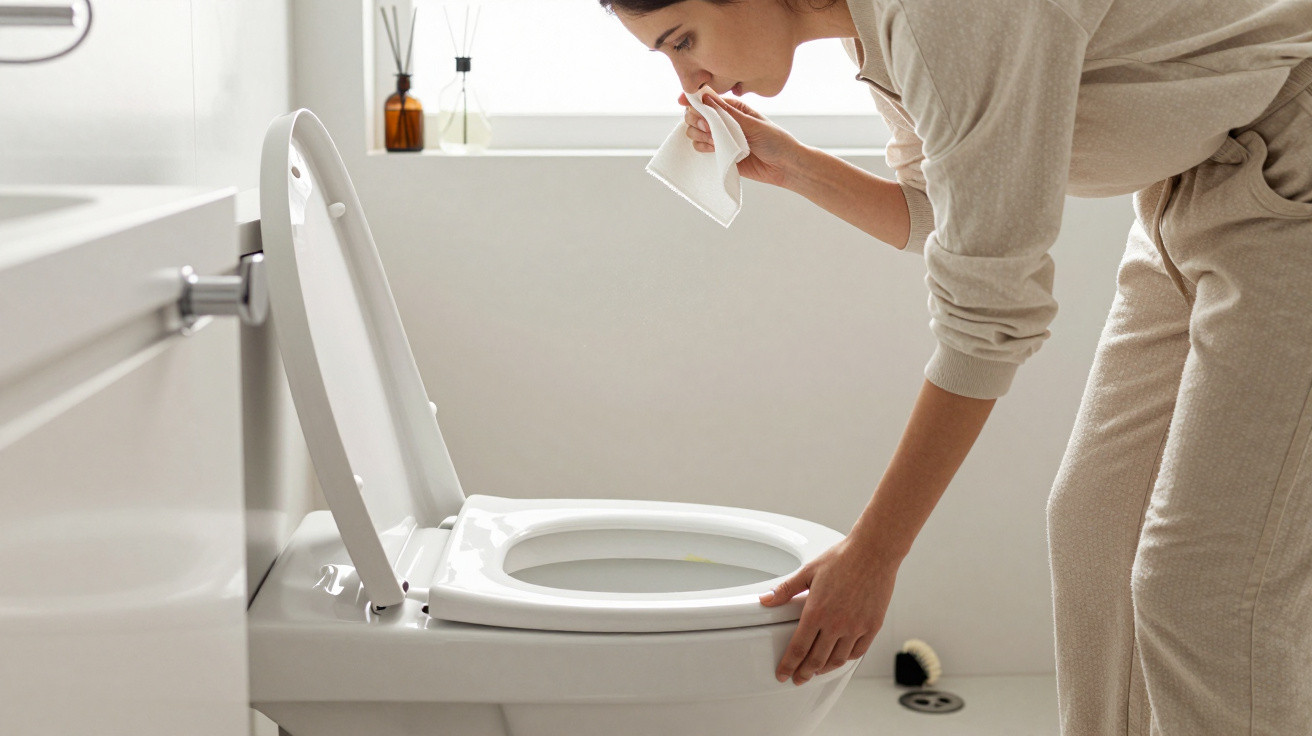
The bathroom appears immaculate: towels are folded neatly, the mirror gleams and there is a fresh bar of soap by the basin. You pause to admire it, pleased with the result… then a faint but persistent smell seems to appear from nowhere. It is not overpowering, merely unsettling enough to spoil the sense of cleanliness.
You open the window, use a quick blast of air freshener or perhaps light a candle. It helps for a few minutes. Soon afterwards, though, the smell returns, like a visitor unwilling to take the hint. The room is clean – so why doesn’t it smell clean?
This is an understated puzzle in countless homes: a bathroom cleaned weekly, or even daily, but still carrying an odour that refuses to disappear. It may smell sour, damp or simply like an “old house”. Once you have detected it, it is impossible to ignore. That is where the real story starts.
Where bathroom smells really come from
At first glance, a bathroom seems straightforward: tiles, porcelain, several bottles and a mirror. Wipe the surfaces, mop the floor and the work is complete. Yet the room has a hidden ecosystem of its own, one that pays no attention to your cleaning timetable.
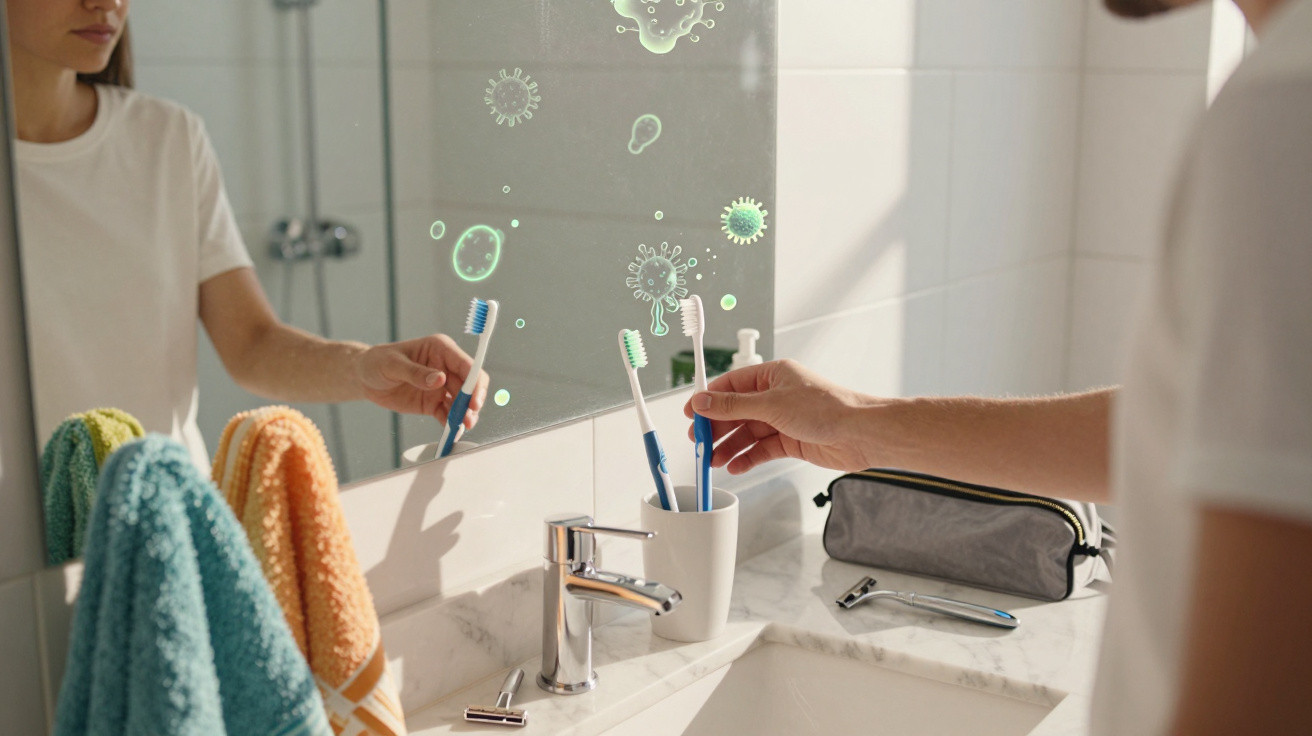
Steam and moisture remain in the air long after a hot shower. Minute flakes of skin settle along grout lines, while an unseen layer of soap residue gathers around taps and drains. For bacteria and mould, these tiny remnants are a feast, allowing them to quietly multiply in places you rarely inspect. From a metre away, the room may look “hotel clean”. Bring your nose closer, however, and the picture can change quickly.
Consider when you last properly raised the toilet-seat hinges or took off the shower-drain cover. That small intake of breath when you did so? It was the odour your bathroom had been concealing. In a UK survey conducted by a major cleaning brand, more than 60% of respondents said they never clean behind the toilet base unless they are “doing a deep clean.”
One London family I interviewed insisted that they cleaned all the time, but their downstairs loo still smelled like a motorway service station. The cause was not the toilet bowl. Instead, a fine layer of dried urine and cleaning product had collected on the silicone around the base, unseen until they crouched down and examined it in harsh light. After scrubbing that ring, the smell that most people had attributed to “bad plumbing” disappeared.
The explanation is annoyingly simple: odours linger wherever moisture, organic material and limited air circulation come together. Bathrooms provide all three conditions every day. Hot showers force warm, humid air into every gap, including behind skirting boards, beneath the bath panel and inside extractor fans.
Your cleaning habits can sometimes make matters worse, too. Heavily fragranced products often cover smells instead of eliminating them, while leaving a sweet residue that bacteria thrive on. Powerful bleach may brighten the surface of grout, yet mould can continue growing deeper within it. Your nose is therefore telling the truth: when a bathroom smells wrong despite looking clean, something inside it is still living and decomposing.
Hidden habits that make or break bathroom freshness
The most effective habit for preventing odours is not using a spray; it is improving airflow. Open the window fully as soon as you have showered, rather than leaving it slightly ajar, and allow the steam to escape. Keep the extractor fan running for longer than seems necessary: 15–20 minutes rather than 3.
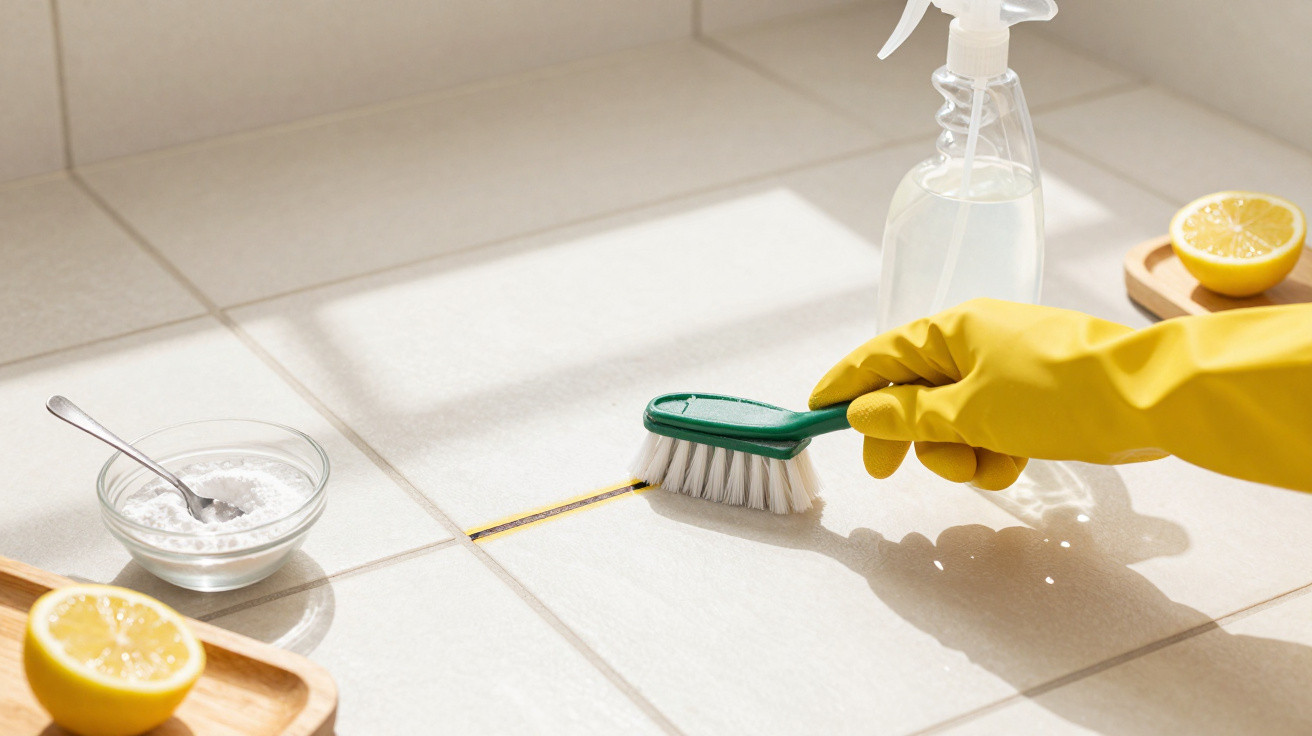
Next, focus on the low and close-up areas. Clean the silicone seal around the toilet base with hot water, mild detergent and a small splash of white vinegar. Remove any covers that can be lifted, including the shower-drain cover, the basin overflow opening and even the plastic caps over toilet-seat screws. Treat these spots as “mini crime scenes” and clean them as though you were removing fingerprints. It may feel slightly excessive the first time, but your nose will thank you.
Many people assume that cleaning the toilet means they have dealt with the smelly part. Unfortunately, the source is usually just beyond the obvious areas: the slim space between the toilet and wall, beneath the rim of the basin, or the rubber seals on a shower door that never dry completely.
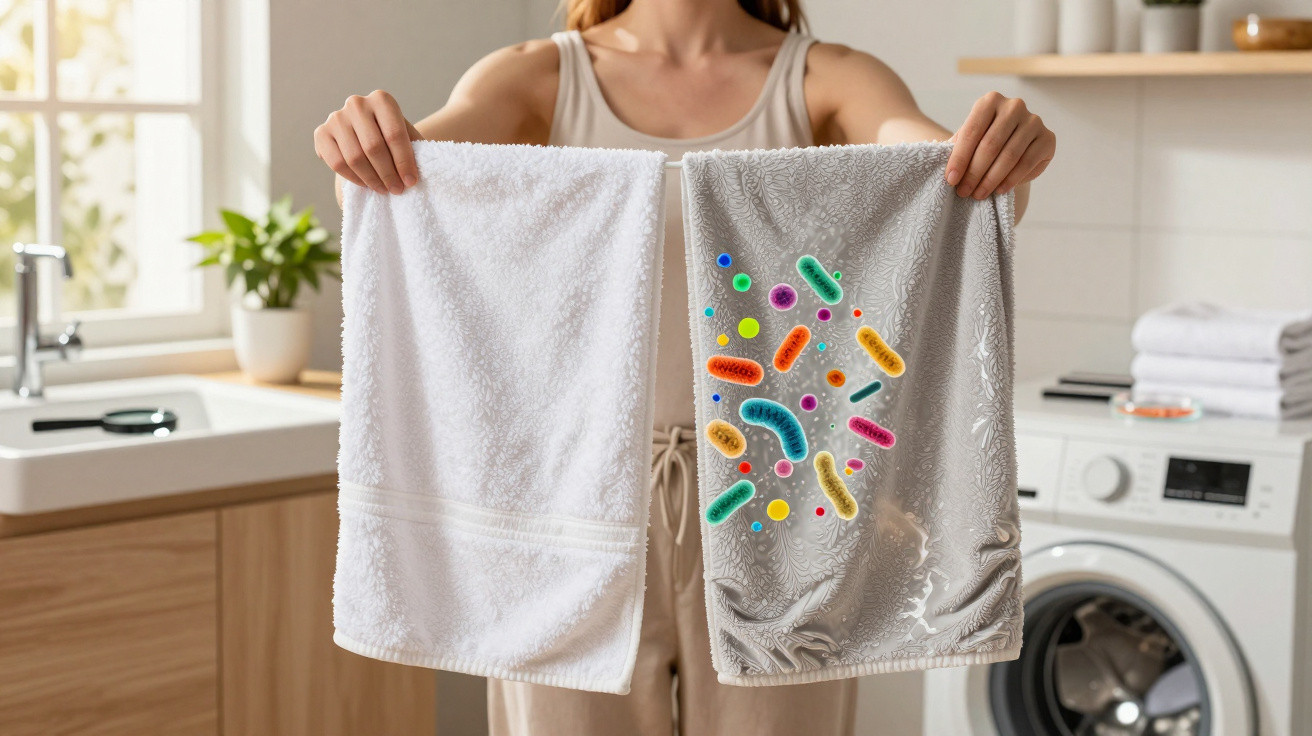
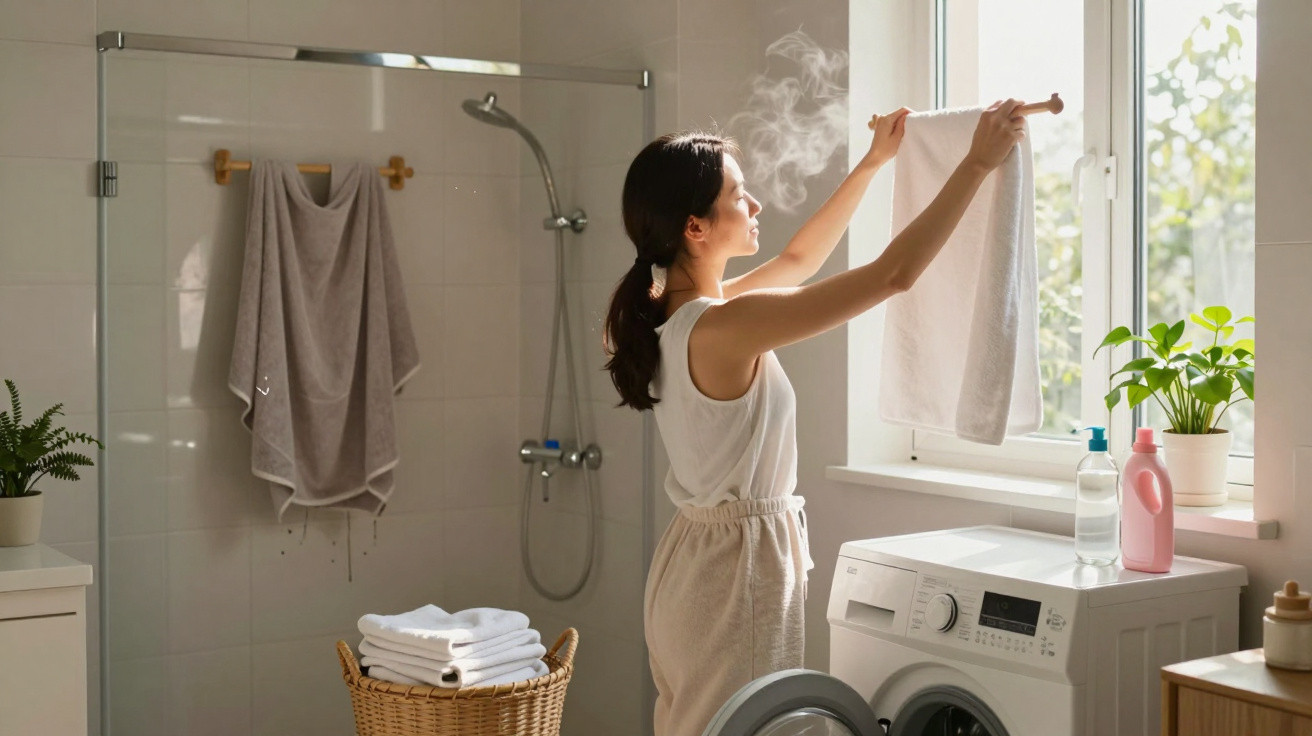
Fabrics are another factor. Bath mats, towels and shower curtains absorb humidity and body oils every day. Even if they appear clean, they may hold a faint scent somewhere between wet dog and old washing. Let’s be honest: nobody truly washes their towels as frequently as adverts imply. Choosing quick-drying fabrics, spreading towels out fully to dry and washing them at a properly hot temperature can transform the room’s smell more than any diffuser.
There is an emotional element that is rarely discussed, too. A bathroom with an unpleasant smell can seem like a minor personal failure, as though your home is exposing you. That embarrassment encourages people to choose stronger fragrances rather than slower, more effective fixes, perpetuating the cycle.
“Smell is the first thing guests notice and the last thing they’ll mention,” a hotel housekeeper in Manchester told me. “They’ll compliment the décor, but they’ll remember the odor.”
- Once a month, use your nose at floor level: check near the floor, behind the toilet and inside the shower.
- Plan a five-minute “micro clean” twice weekly, concentrating only on edges, seals and drains.
- Replace one perfumed product with a neutral, residue-free cleaner and note the change.
When “clean” isn’t enough: thinking differently about smells
Odours do not merely remain in the air; they attach themselves to surfaces. They settle into grout, painted walls and the wooden door frame that never sees a cloth. One 150-second habit can gradually but reliably interrupt this pattern: briefly wiping the “ignored surfaces”.
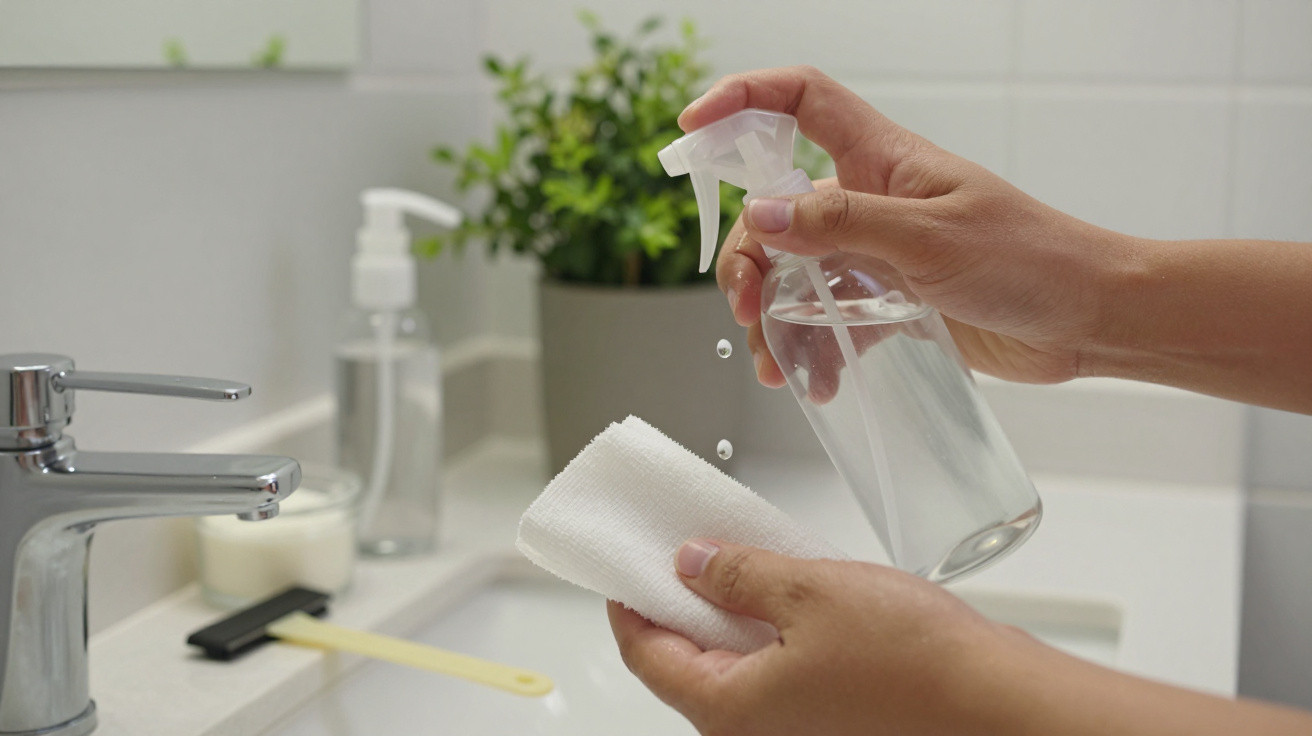
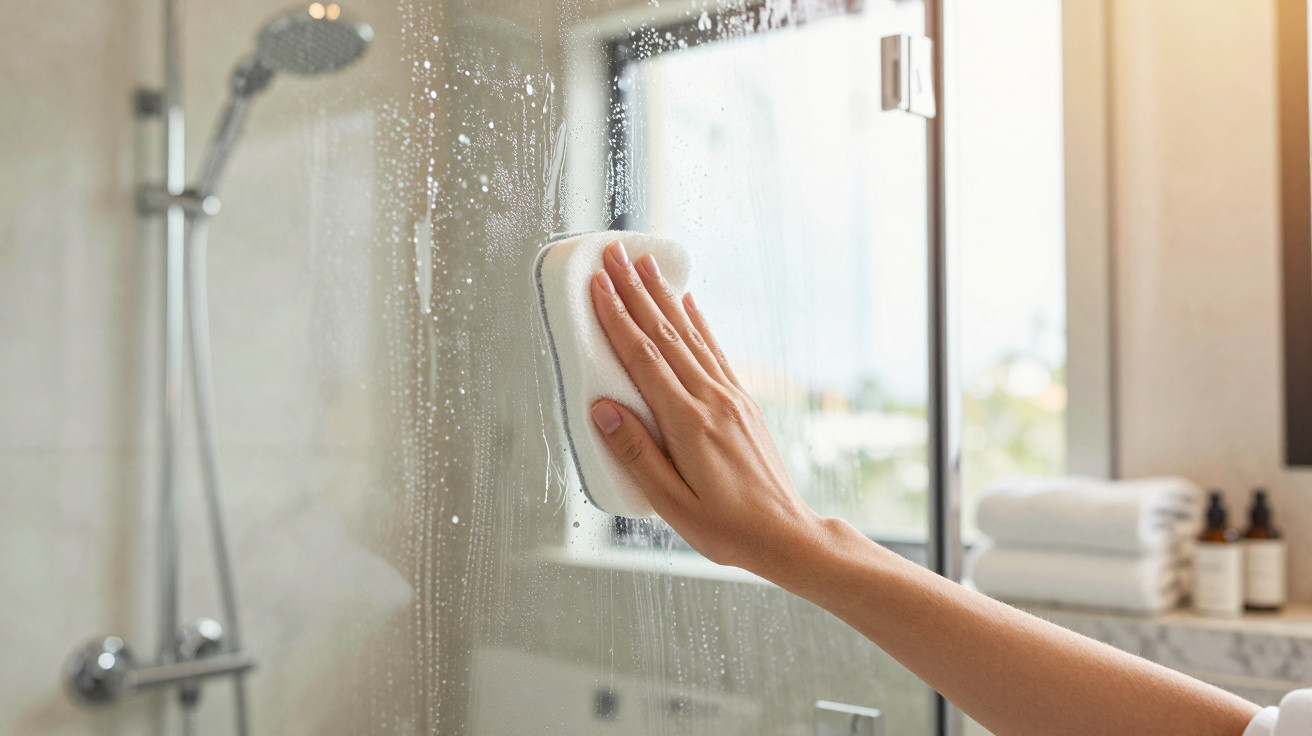
Use a barely damp microfibre cloth with a drop of gentle cleaner to wipe the light switch, door handle, upper edge of the door, exterior of the toilet cistern and even the wall beside the towel rail. These areas are where hands, steam and dust converge. They do not look dirty, but they silently hold on to smells like a sponge. Repeat this a few times each week and the room can begin to smell neutral, rather than like it was “cleaned three hours ago”.
Certain smells originate deeper within the home, in the plumbing. Traps beneath basins and showers should retain a small amount of water that prevents sewer gases from entering the room. In a bathroom that is rarely used, this water can evaporate, allowing a slight sulphurous odour to emerge. Running the taps for a minute every few days and pouring a kettle of warm, rather than boiling, water into each drain monthly helps maintain those barriers.
Mould is another possibility. Even a tiny patch concealed behind silicone can fill an entire room with a musty smell. When black spots repeatedly return, the problem is not your cleaning; it is ventilation and, in some cases, insulation. At that point, a dehumidifier or a more powerful fan becomes a remedy rather than a luxury.
The psychology behind bathroom smells is intriguing. We associate them with shame, health and “what kind of person lives here”. This may drive people towards extremes: bleaching every day, using overpowering sprays or keeping windows shut for privacy even when the air feels heavy.
Smell is memory, too. Perhaps your childhood bathroom always carried the scent of lavender disinfectant, so you flood your own with the same fragrance despite it doing nothing for the underlying issue. Or perhaps harsh products remind you of a hospital ward, causing you to avoid them completely. Between these two approaches is a calmer option: fewer products, more routine and a nose that learns to value a genuinely neutral scent. Not floral. Not “chemical fresh”. Simply… nothing. And that nothing is the most luxurious scent of all.
| Key point | Detail | Benefit for the reader |
|---|---|---|
| Hidden sources of odours | Silicone, seals, beneath toilet bowls and partially clogged traps | Helps you target the real culprits instead of spraying fragrance everywhere |
| The role of humidity | Warm, damp air feeds bacteria and mould in hidden corners | Explains why ventilation matters more than a fifth cleaning product |
| Small habits that work | Targeted micro-cleans, regular washing of textiles and rinsing drains | Provides a simple plan for a neutral everyday scent without spending hours on it |




Comments
No comments yet. Be the first to comment!
Leave a Comment