In a nutshell
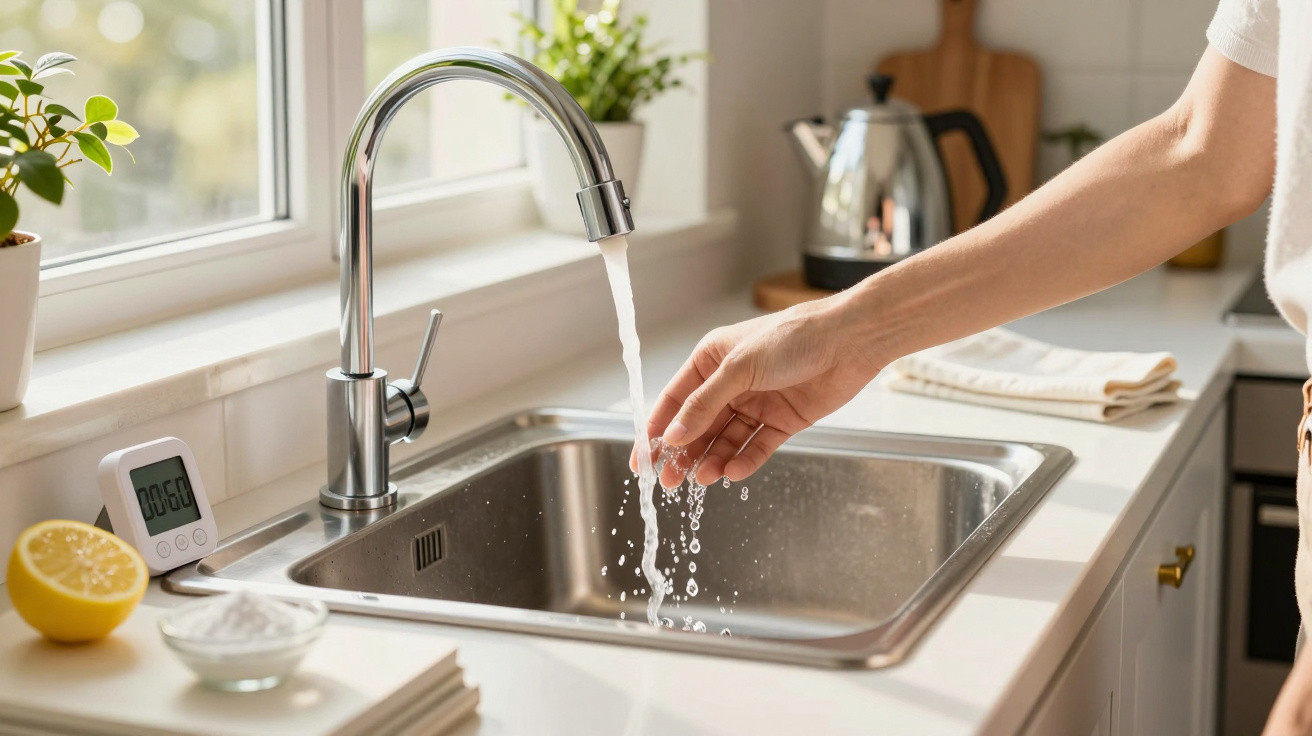
- 🚿 Letting taps run for a few seconds each morning refills P-trap seals, keeping sewer gases contained and preventing odours from entering the room.
- 🔁 A short flow of water breaks up biofilm and clears overnight stagnation, cutting the volatile sulphur compounds responsible for rotten-egg odours.
- ⚖️ Pros vs. Cons: The freshness benefits are substantial for pennies per week and only seconds of effort; use brief cold runs to minimise water and energy consumption.
- 🧰 An easy routine is effective: 5–10 seconds at every tap, a weekly shower refresh, and monthly top-ups for seldom-used drains-consistency beats chemicals.
- ♻️ Where smells continue, inspect trap integrity, venting, gradients, and deposits; do not rely excessively on bleach, and consider mechanical or enzyme-based cleaning.
Nearly every home has experienced that slight smell from the plughole, often appearing before the kettle has even boiled. The most straightforward remedy is remarkably simple: run each tap for a few seconds every morning. This small habit maintains water movement, protects the seals that keep sewer gases out, and washes away the microbial films that create odours. Having visited treatment works and looked beneath sinks in Belfast and Brighton, I have found that movement, rather than fragrance, is what makes the difference. A brief rush of clean water can often outperform a mix of cleaners applied once odours have already developed. Here is why it works and how to turn it into an inexpensive, low-effort habit.
How Water Movement Breaks the Odour Cycle
Every sink contains a P-trap, the familiar U-bend beneath the waste. It holds a small amount of water, forming a barrier against sewer gases. If that water evaporates-which is common in rarely used bathrooms-or pressure changes pull it away, unpleasant smells can return. Running taps briefly each morning automatically restores the water seal. With the water barrier in place, most odours cannot enter the room in the first place.
The other main cause is biofilm: a slimy, sticky microbial layer that feeds on soap residue, fats, toothpaste and food debris. Where water flow is limited, it develops and releases volatile sulphur compounds-the “rotten egg” smell-along with amines and other unpleasant molecules. A quick, forceful flow helps in two ways: it creates mild shear that disturbs the biofilm, while oxygenating the pipework so conditions are less favourable for odour-producing anaerobes. Flowing water is everyday mechanical cleaning-without the need for chemicals.
Morning flushing also removes water that has sat stagnant overnight. As stale water rests against deposits, it can intensify odours. That first flow of the day refreshes the system, replacing water in the trap, rinsing the branch pipe and leaving fewer nutrients available to microbes. Together, these three actions-seal, shear and refresh-show why a few seconds of running water can keep smells under control.
Pros vs. Cons: The Morning Tap Run
Most households want fresher air without unnecessary waste. Considering the basic “tap-on” routine puts its benefits and limitations into context.
- Pros:
– Refills trap seals in guest WCs and utility sinks.
– Interrupts biofilm before it develops into an odour problem.
– Clears stagnant water and gases produced by microbes.
– Takes seconds and costs pennies, with no need to store aggressive chemicals. - Cons:
– Uses a small amount of water, which can be significant during drought notices.
– Running warm water unnecessarily can waste energy.
– Can conceal, rather than repair, underlying problems such as poor venting or damaged traps.
In terms of flow and cost, modern UK basin taps fitted with aerators typically supply around 4–6 L/min. In five seconds, that amounts to roughly 0.3–0.5 L, which is less than a mugful. Refreshing three fittings for five seconds each might use 1–1.5 L altogether. Even with combined water and sewerage charges of several pounds per cubic metre, that comes to pennies per week. Brief bursts of cold water offer the strongest balance: reliable odour prevention with minimal cost and carbon impact. Metered households and those in water-stressed areas should keep the runs short and focus on outlets used infrequently.
A 60-Second Routine for UK Homes
The best method is quick enough to repeat every day. This reporter-tested routine fits easily between drawing the curtains and putting on the kettle.
- Run cold water at each sink for 5–8 seconds, ending in the room used least often.
- Run showers cold for 3–5 seconds once a week; do this daily when the room is rarely used.
- At kitchen sinks, follow the cold run with a 2–3 second hot pulse to loosen grease gently.
- Once a month, pour a cup of cold water into rarely used floor drains or wet-room gulley traps.
- Scrape plates before washing up, and avoid tipping fats or coffee grounds down the sink to deprive biofilms of food.
| Fixture | Seconds | Est. Litres | Why It Helps |
|---|---|---|---|
| Basin tap (bathroom) | 5–8 | 0.3–0.8 | Restores trap seal; removes toothpaste film |
| Kitchen mixer | 8–10 | 0.6–1.0 | Washes away fats; disrupts biofilm in the branch pipe |
| Shower | 3–5 (weekly) | 0.6–1.0 | Replenishes the trap; clears stagnant water |
| Floor/wet-room drain | Monthly cup | 0.25 | Stops the water seal from evaporating |
A Leeds flat troubled by a “sulphury” smell in its en-suite is a useful example: complaints fell to zero after a 10-second cold run each morning and following weekends away. Consistency beats intensity; frequent small actions prevent odours from developing at all.
When Smells Persist: What to Check Next
If regular flushing does not remove the odour, see it as a cue to investigate rather than a reason to intensify deodorising efforts.
- Trap issues: Traps may be too shallow or cracked, S-traps may be wrongly aligned and self-syphon, or appliance standpipes may have no trap at all.
- Venting faults: Obstructed stack vents and failed air admittance valves can cause pressure changes that drain traps.
- Leaks and falls: Water may seep from compression joints, while pipe gradients that are too flat can allow sludge to collect.
- Deposits: Grease, limescale and coffee fines provide a habitat for biofilm; periodic enzyme-based cleaners may help.
- Infrequent fixtures: Guest rooms, utility sinks, and garage or trap gullies are often the first to dry out-keep their traps topped up.
Why more bleach isn’t always better: powerful oxidisers may bleach surfaces but leave rough layers that help microbes attach again, while their fumes can affect lungs in small WCs. Choose mechanical methods instead, such as brushes and opening and rinsing bottle traps, alongside low-foam enzyme or surfactant cleaners used sparingly. If venting or structural faults seem likely, contact a plumber: a smoke test or camera survey can reveal issues that sprays cannot. Ongoing odours can usually be fixed when pressure, geometry and hygiene are all addressed.
Letting taps run for a few seconds each morning is the plumbing version of opening a window: understated, fast and far more effective than it first appears. It preserves the water seal, disrupts biofilms and clears stale water without depending on harsh chemicals or heavy flushing. It is also an easy habit to use before holidays, after visitors and through seasonal shifts when bathrooms may be left unused. Small, regular movements of water prevent big, smelly problems. What might your household’s one-minute, odour-proofing checklist include-and which rarely used tap will you refresh first tomorrow morning?

Comments
No comments yet. Be the first to comment!
Leave a Comment