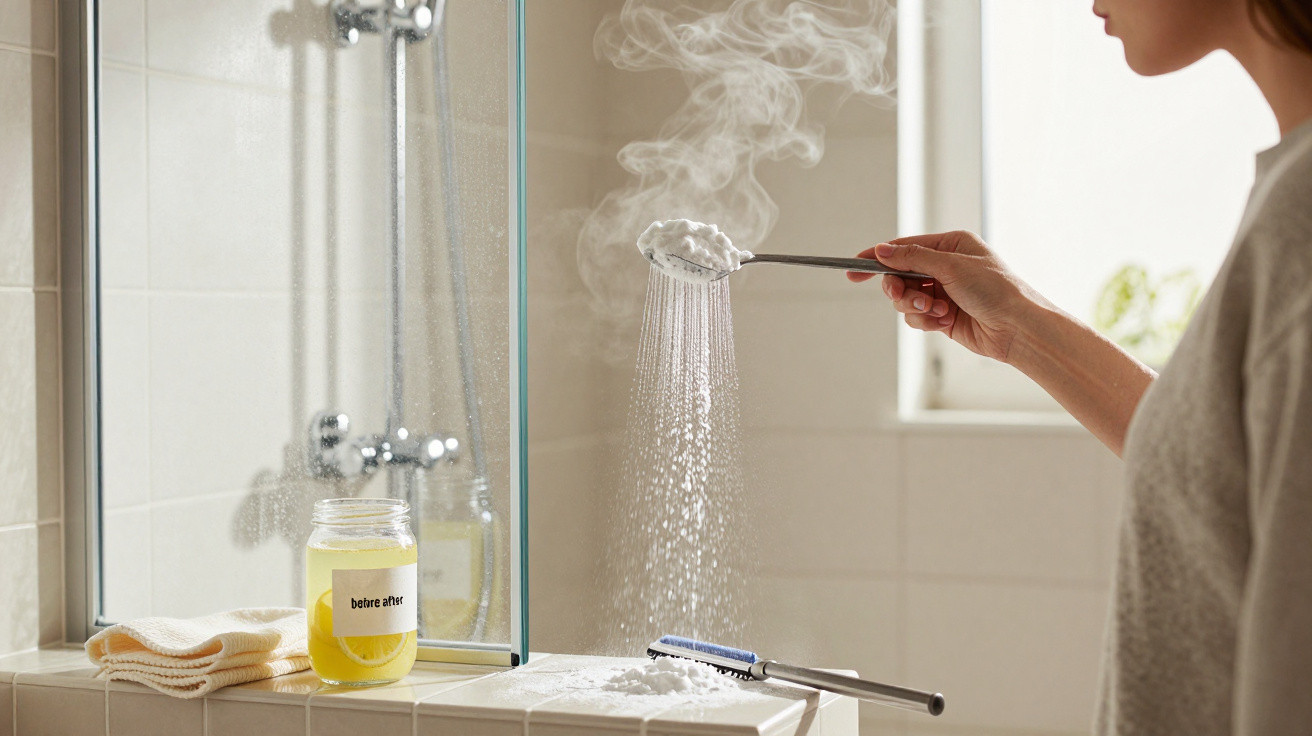
A spoonful of powder in the shower: some people insist it dissolves soap scum while you sing, while others warn it creates a chemical haze in the bathroom. So is it a clever cleaning shortcut or harmful nonsense?
You come across the viral advice while scrolling: scatter a spoonful in the shower, turn the hot water right up, leave it alone, rinse afterwards and skip the scrubbing. When a trick promises less work, it can feel like a small miracle.
You give it a go. Steam rises over the tiles, a sweet scent drifts towards your face and, for a moment, it seems convincing. Then comes the bit nobody records.
What follows is important.
The spoonful trend filling bathrooms with steam
The viral method is straightforward: add a spoonful of powdered laundry or dishwasher detergent to damp surfaces, run hot water until the bathroom becomes steamy, leave it to work and then rinse. Its supporters say the steam “activates” the powder, lifting soap scum and body oils without any scrubbing. It seems smart because it turns shower time into cleaning time.
On TikTok and Reels, variations of the video have attracted millions of views. One mother in Ohio says her fibreglass bath shone after ten minutes; a tenant in Sydney sprinkles powder after every shower and describes it as her “invisible maid.” Another user said their throat became scratchy, while one commenter wrote that their dog sneezed for an hour. The before-and-after shots look impressive, but the comments tell a more complex story.
There is a reason the method can appear to “work”. Steam loosens grime, detergent surfactants weaken dirt’s hold and enzymes break down proteins. However, detergents are made for washing machines and rinse cycles, rather than steam-filled air in an enclosed shower. Breathing laundry powder in a steamy box is not the flex you think it is. It can also create a slipping hazard, leave residue and, on certain surfaces, cause gradual damage.
The safer spoonful: citric acid for shower cleaning
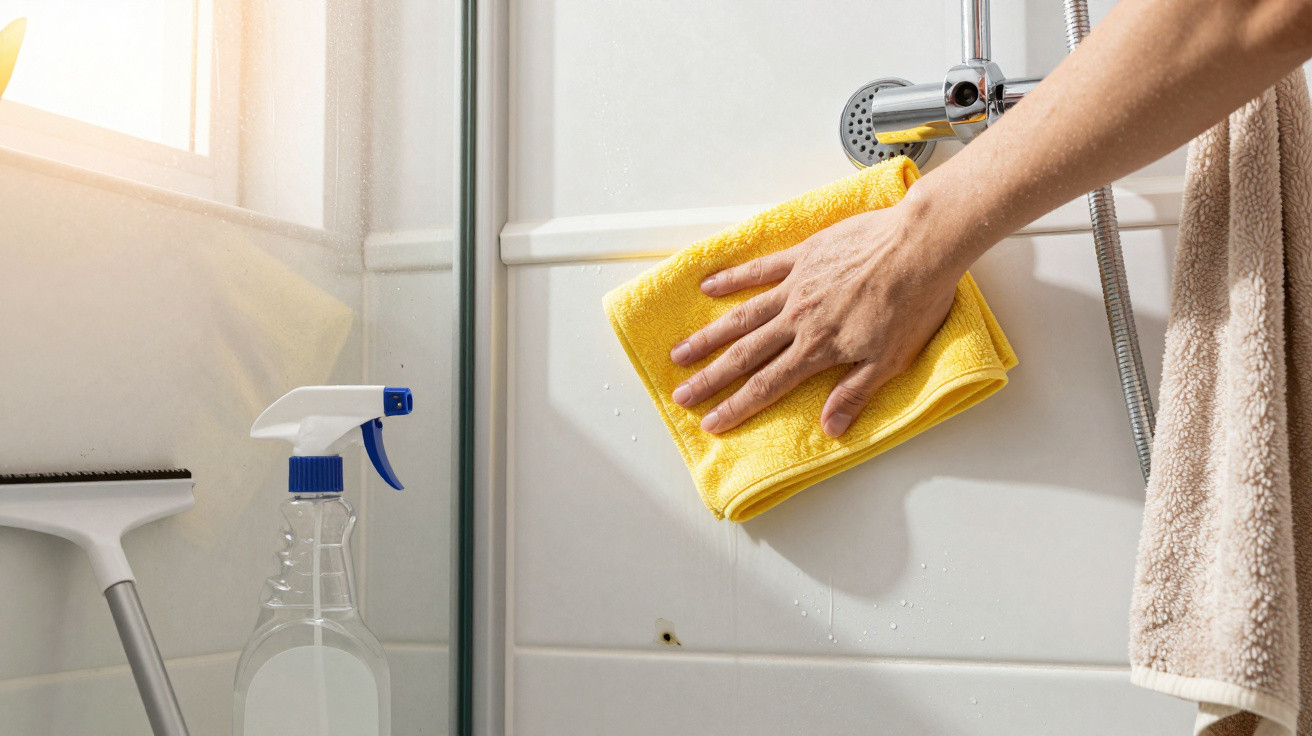
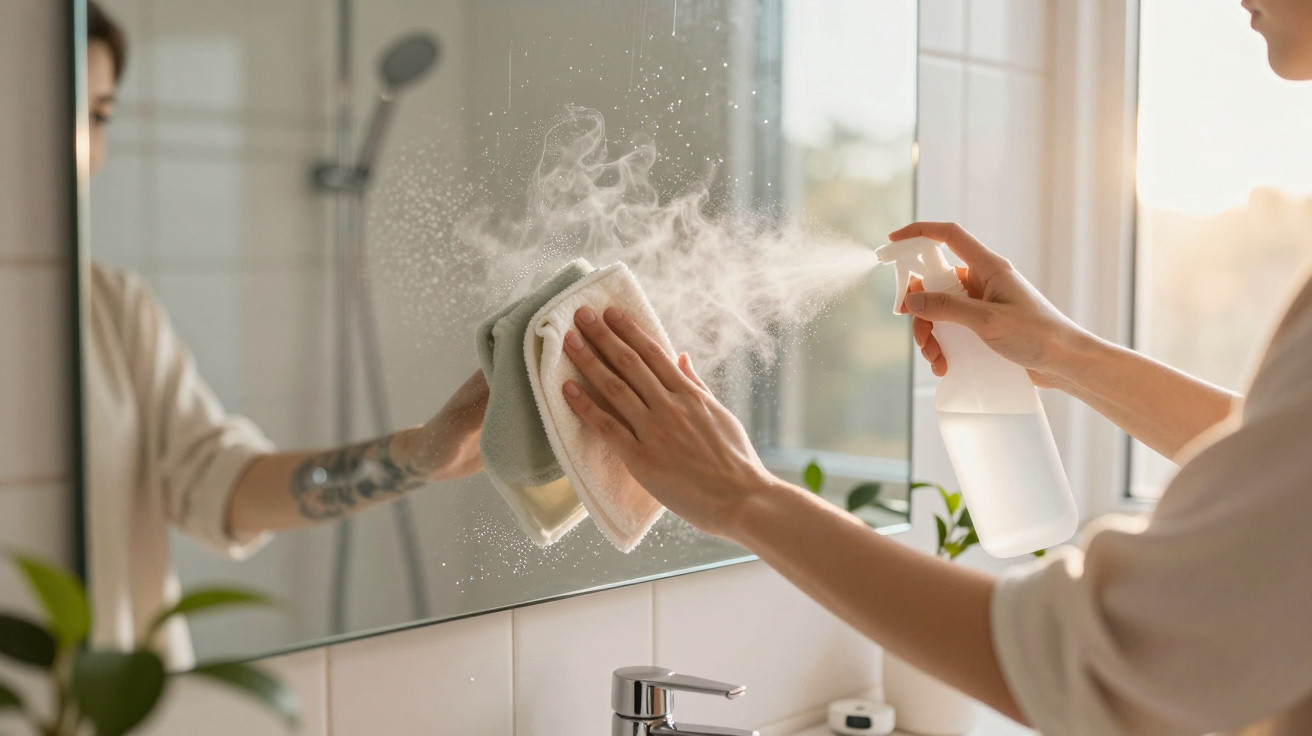
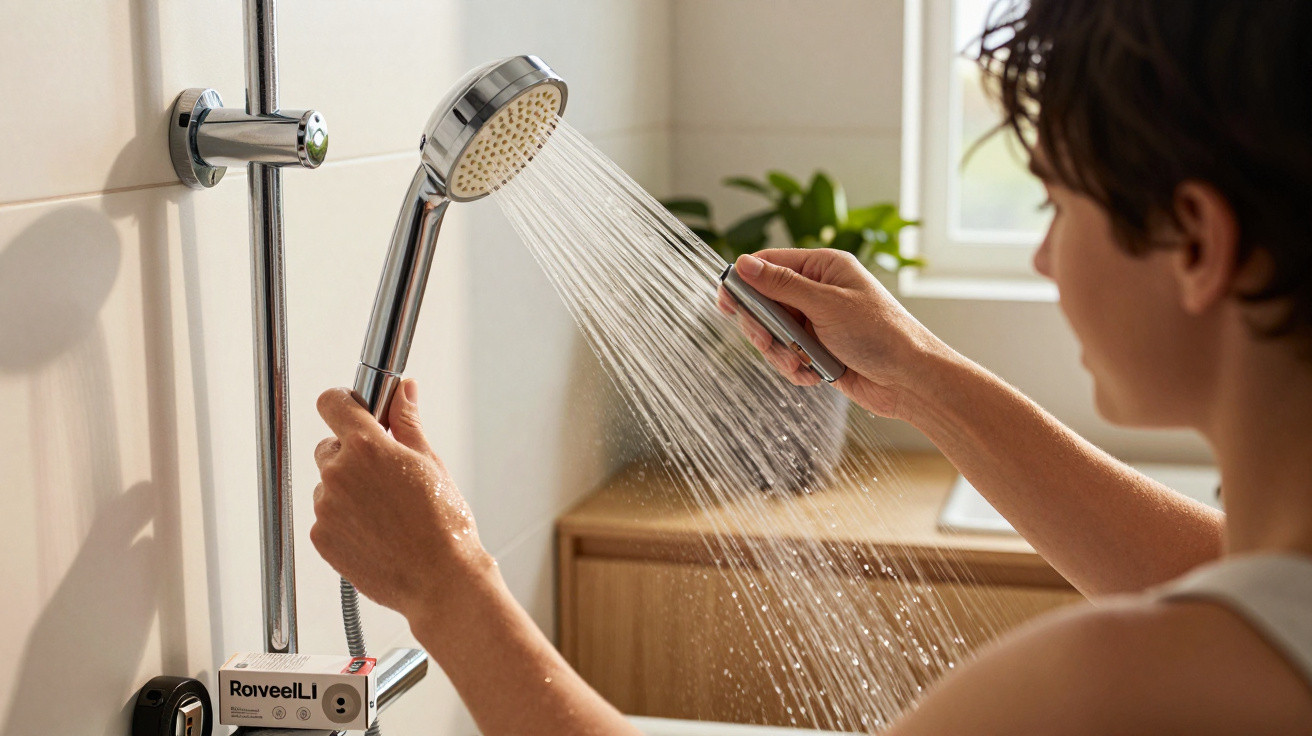
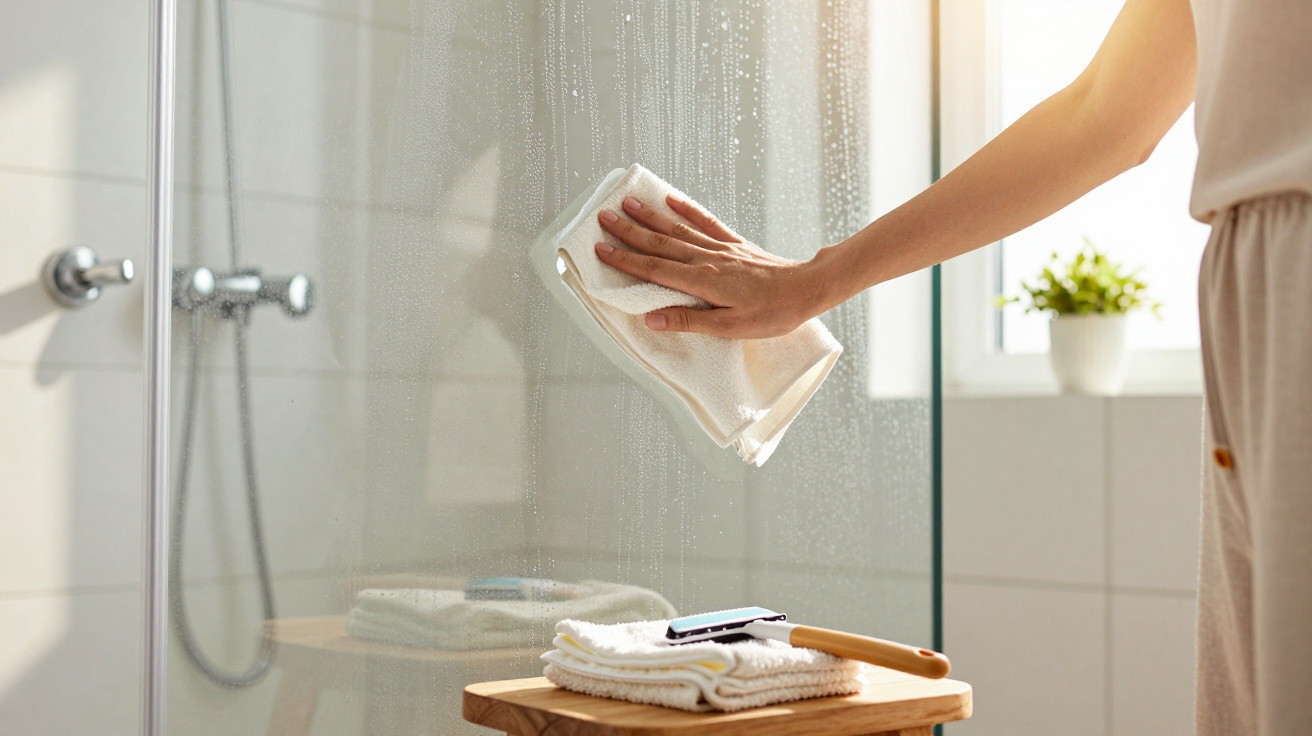
Here is an alternative that retains the easy appeal while reducing the risk: use a spoonful of food-grade citric acid in a spray bottle. Pour warm water into a 500 ml bottle, add 1 tablespoon of citric acid and 1 teaspoon of mild washing-up liquid, then swirl it gently. Run a hot shower first, then mist the walls, glass and fittings while they are warm. The steam blooms with a lemony tang. Leave it for 5–10 minutes, give the surfaces a gentle wipe with a microfibre cloth or soft brush, then rinse. If you want the “spoonful” effect without the side-eye from your lungs, use citric acid.
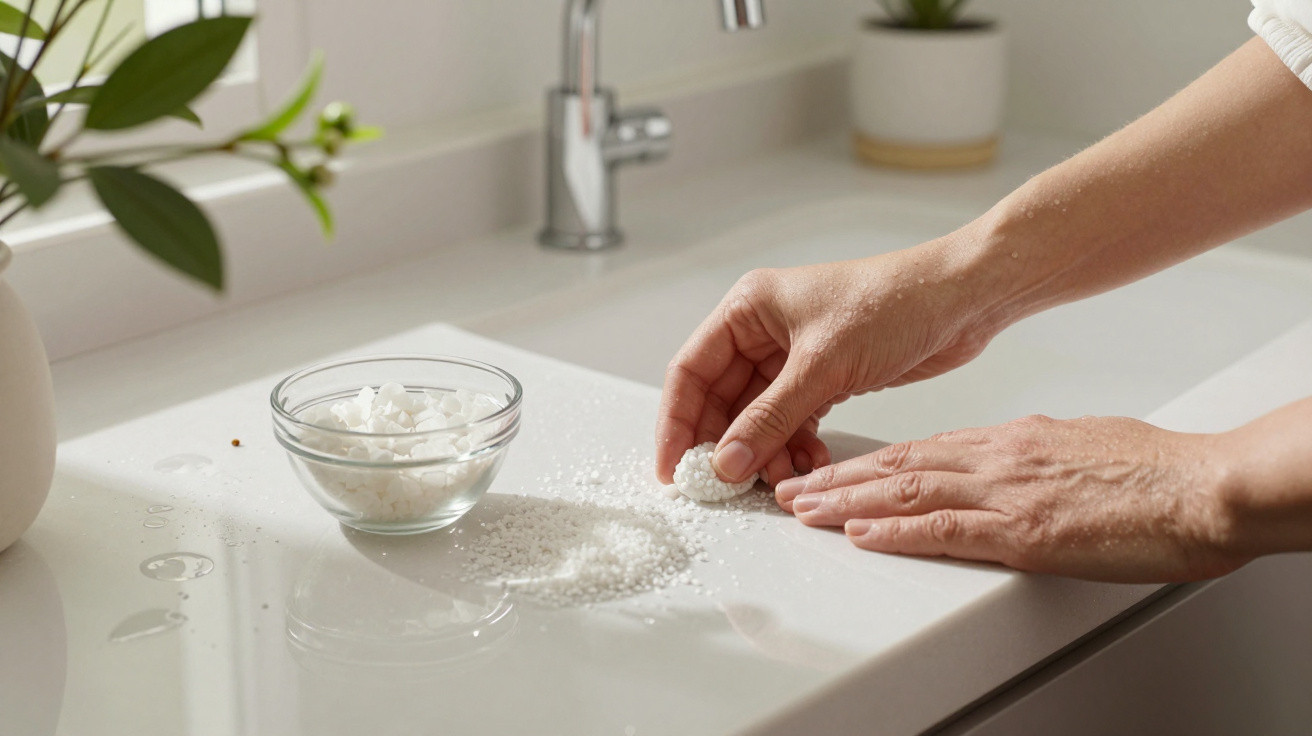
Citric acid deals with mineral deposits and soap scum without filling the air with fragrance and optical brighteners. It is still a chemical product, so do not combine it with bleach and do not use it on natural stone, including marble or travertine. Keep the bathroom door slightly open or switch on the extractor fan. If you have sensitive skin, wear lightweight gloves. Realistically, though, few people do that every day.
Treat it as an easy routine rather than a miracle solution.
“Warm surfaces, dwell time, gentle agitation: that trio does 80% of the work,” says a veteran housekeeper who cleans fifteen showers a week. “The product is the last 20%.”
Adopt small professional habits too:
- Spray after the hottest part of the shower rather than beforehand.
- Rinse from top to bottom, so dirty water does not mark freshly cleaned glass.
- Avoid acids on natural stone; choose a pH-neutral cleaner instead.
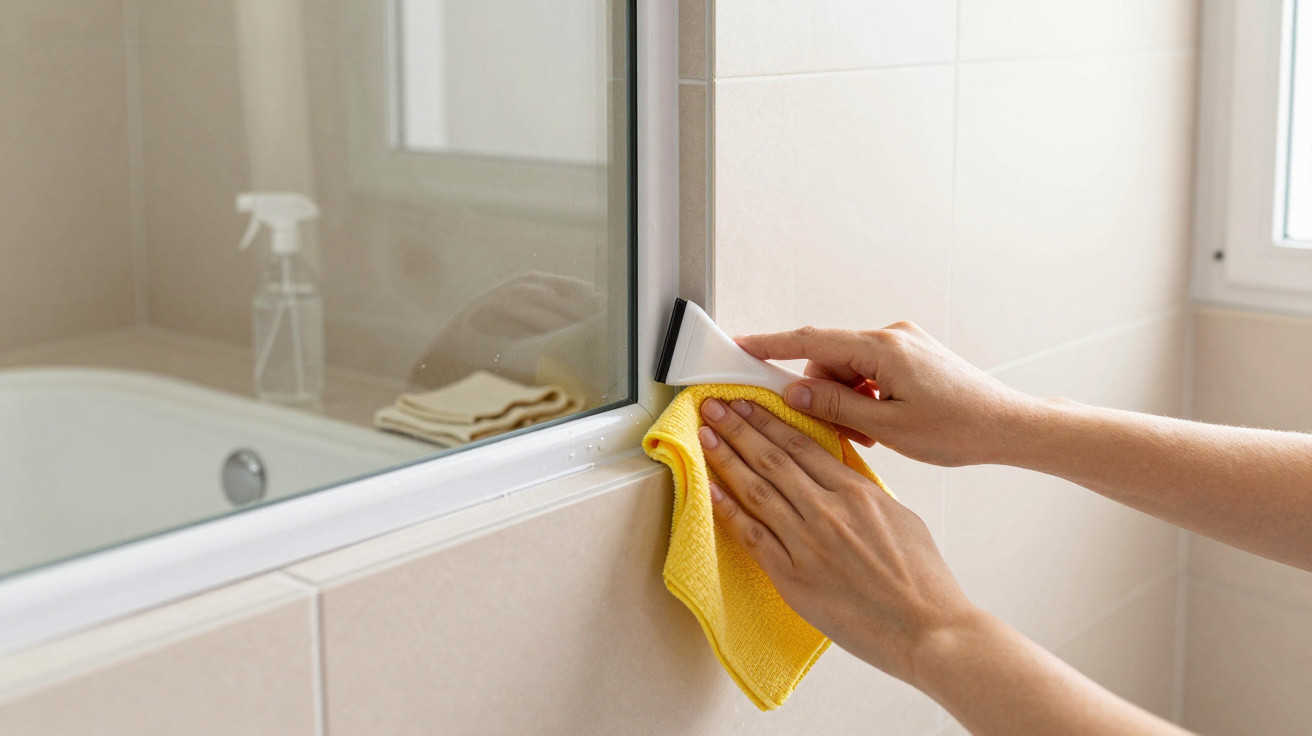
- Use a squeegee for 30 seconds when possible.
What this means for your shower routine
Shortcuts are appealing because they save time, and scrubbing is what takes it away. The spoonful trend gets one thing right: steam softens almost everything, including your reluctance to tackle a chore. The more useful question is which spoonful is kind to your lungs, skin, grout and the environment.
Citric acid with a little washing-up liquid provides effective cleaning chemistry, then rinses away without a scented film. Laundry powder is excellent inside a washing machine drum, but far less suitable for your airways. Changing what goes into that spoon can alter the entire outcome.
This is not about perfection or displaying a spotless bathroom for the camera. It is about creating a routine that your future self can maintain. A tiny habit beats a heroic scrub every single time. Tell a friend, try it in your own bathroom and share what genuinely works beyond the frame.
| Key point | Detail | Why it matters to the reader |
|---|---|---|
| Steam helps | Warm, humid air softens soap scum and mineral bonds | Use shower time to make cleaning easier |
| Choose the right spoonful | Citric acid + mild soap cleans without heavy fragrances/enzymes | Cleaner air, less residue, fewer risks |
| Material matters | Avoid acids on natural stone; skip laundry powder on porous grout | Protects surfaces and avoids costly damage |


Comments
No comments yet. Be the first to comment!
Leave a Comment