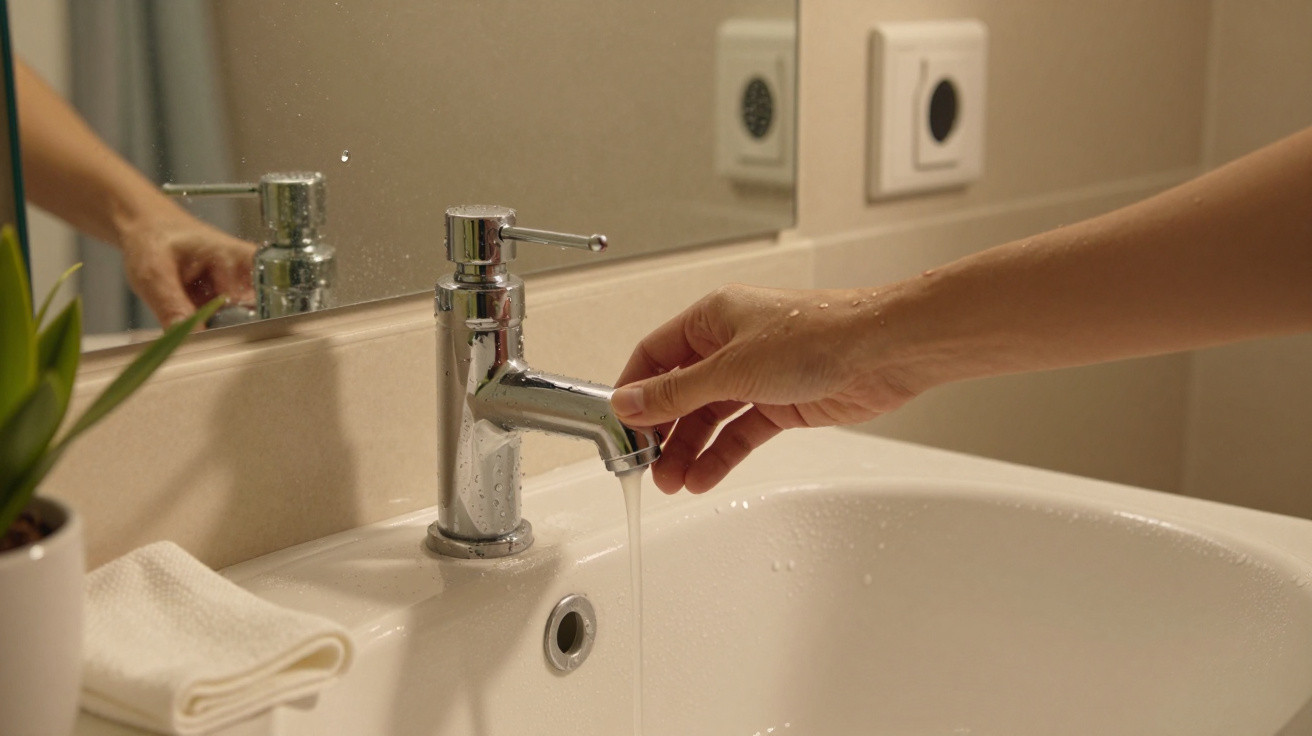
The shower was still warm when she spotted it.
A pale, chalky ring circled the tap, as though exhausted fingertips had drawn around it. Just two days before, she had scoured that very area until her shoulders hurt. Yet the limescale had returned, denser and more defiant, almost as if it were ridiculing her work.
She blamed hard water, bargain cleaning products and even the ageing pipes. She blamed everything except the pattern of her own behaviour: using the bathroom without truly noticing it, and letting small daily actions become unseen through repetition.
We tend to think limescale is something that simply “happens”, one of adulthood’s dull inevitabilities. But while some people battle it continually, others scarcely give it a thought. They live in the same country and use the same water, yet their bathrooms look entirely different.
One tiny habit can silently double the rate at which that chalky coating spreads across taps, shower screens and tiles. Nearly everyone does it.
The small habit that doubles limescale: leaving everything wet
Picture a rushed morning: the mirror is steamed up, children are shouting and a phone is buzzing in the bedroom. You switch off the shower, shake out your hair, reach for your own towel… then leave. Water continues to run down the glass screen. Droplets glint on the taps. A light layer of water coats the tiles.
You promise yourself you will “do a quick clean later”. Usually, you do not. As those drops gradually evaporate, they leave tiny mineral circles behind, accumulating day by day. There is no frantic scrubbing or obvious disaster, only a gradual build-up you barely see. The habit seems innocent because it involves doing nothing. You are not actively making a mistake; you are simply skipping one small helpful action.
On an average day, a family bathroom is splashed with water 3 to 6 times, from morning showers and evening baths to quick hand washes and face rinses. Every use leaves taps, glass and tiles covered with microscopic hard-water minerals. When nobody dries the surfaces, the water vanishes but the calcium and magnesium remain. Multiply that across seven days, four weeks and then an entire year.
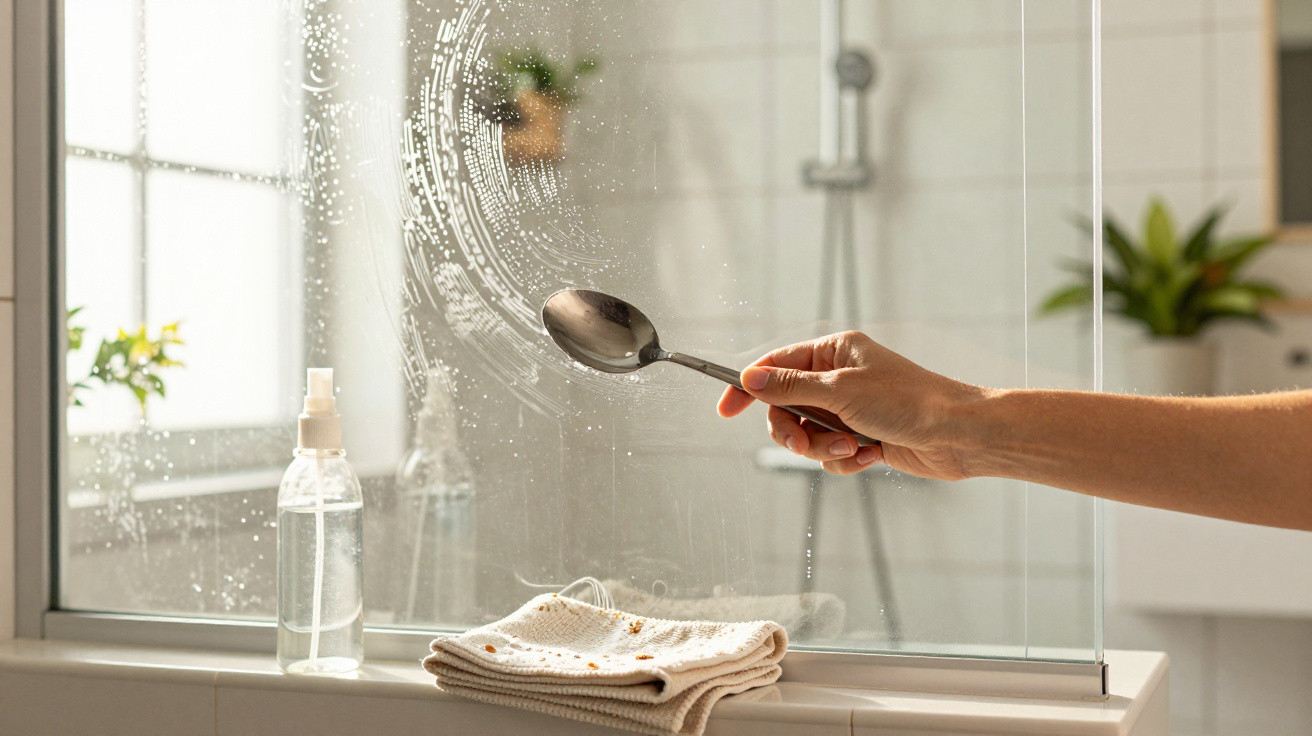
In UK homes with hard water, studies estimate that visible limescale can become twice as thick in less than two weeks on surfaces that are frequently wet. Leave a glass shower screen damp after every use and it will take on a “frosted” appearance far sooner. The same bathroom, used by the same household, can look dramatically different when somebody starts drying surfaces for 30 seconds after showering.
Limescale is chemistry rather than mere dirt. Hard water contains large amounts of dissolved minerals. When water remains on a tap or showerhead, evaporation begins. The water goes, but its minerals stay behind, attaching themselves to metal or glass in fine layers. Each fresh splash creates one more layer.
Keeping surfaces wet gives those minerals the longest possible contact time and ideal conditions to harden. Drying them interrupts that cycle. A wipe immediately after use stops the process before the water can disappear and leave a chalky deposit. In effect, the small habit of leaving everything wet and walking away gives limescale permission to grow twice as quickly.
How to break the habit and slow limescale by half
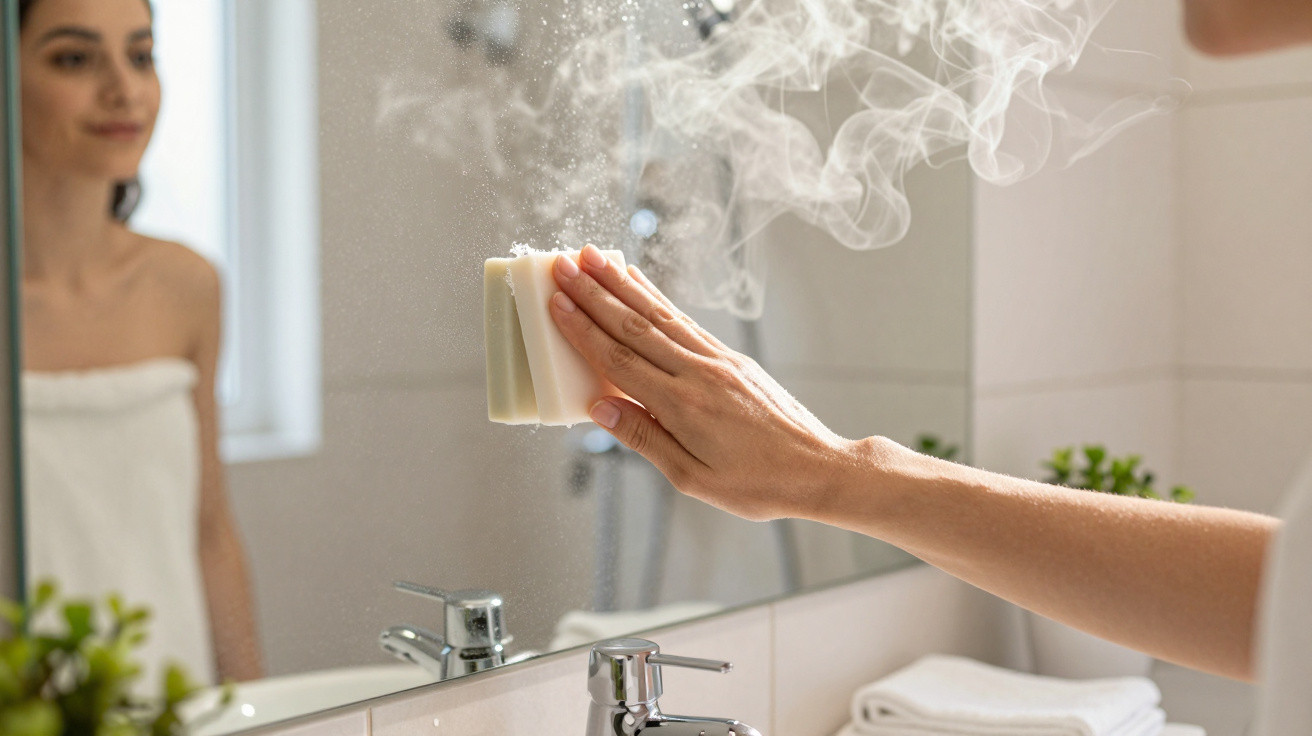
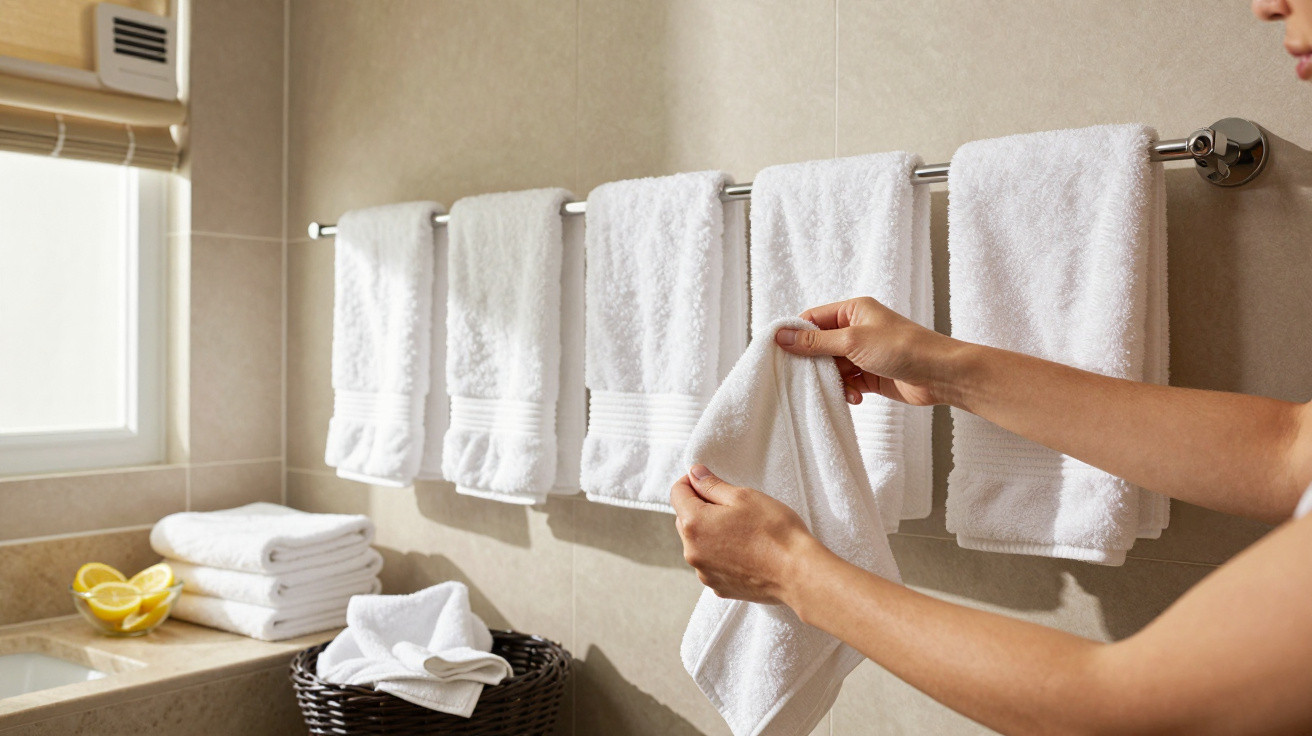
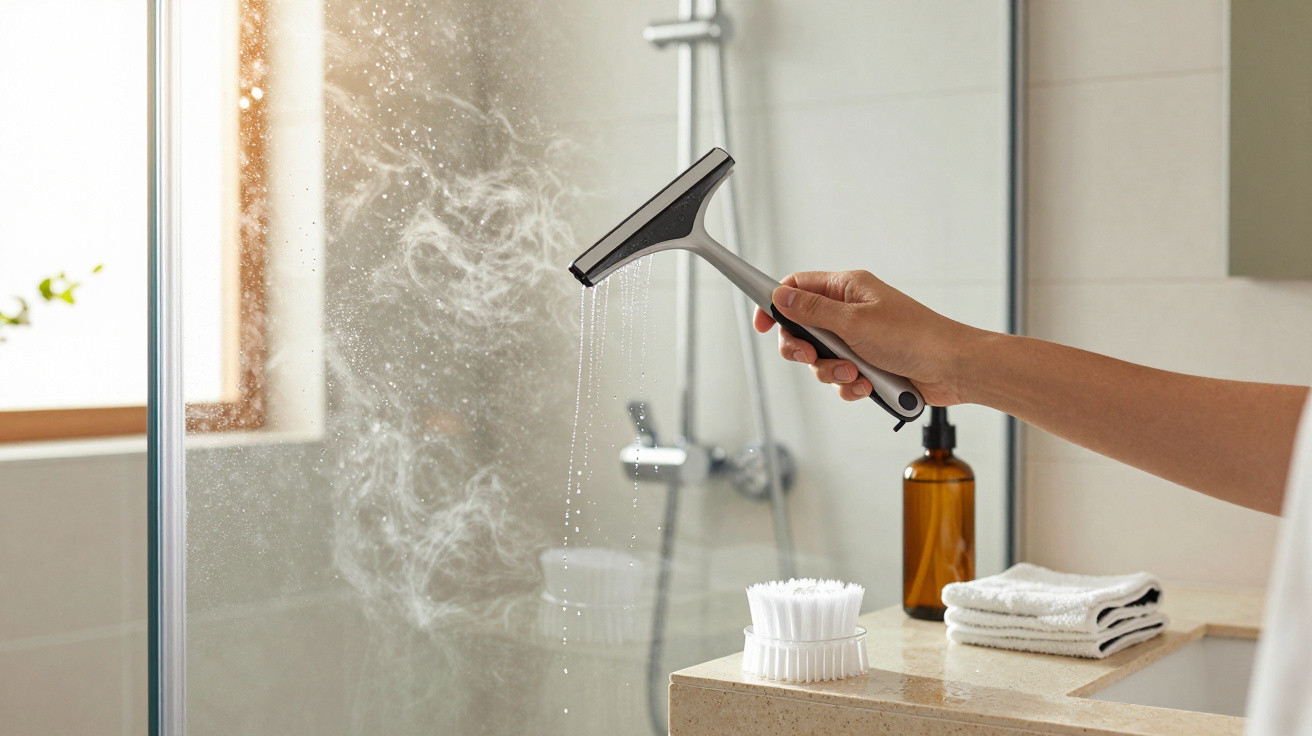
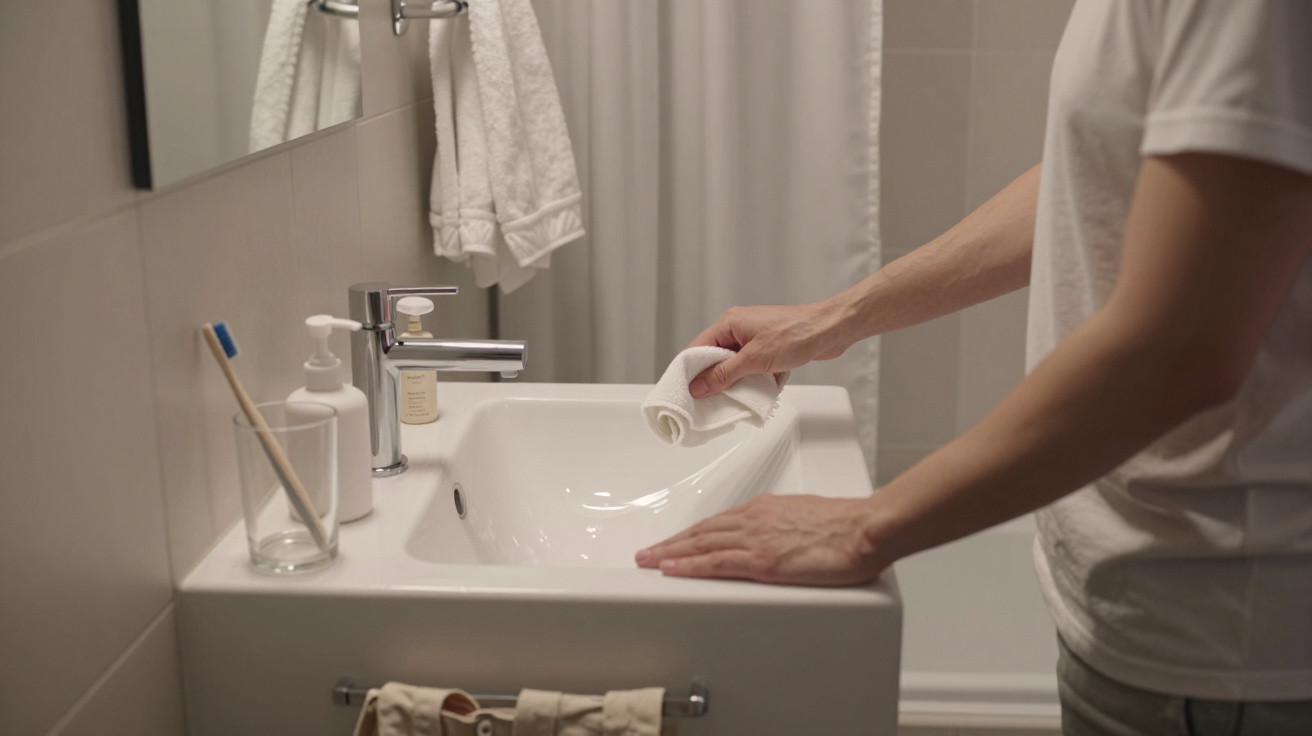
The most straightforward defence against rapidly growing limescale is not an expensive spray. It is an inexpensive squeegee or a soft microfibre cloth. Keep it beside the shower, where your hand naturally reaches as you step out. The nearer it is, the more instinctive the action becomes.
Following every shower, spend 30 to 60 seconds drawing the squeegee down the glass, over tiles close to the water line and across chrome taps. Do not worry about pressure or perfection; simply clear the visible water beads. On hectic mornings, tackle the glass alone. Add the taps in the evening.
Treat it as toothbrushing for bathroom surfaces. Wiping while everything remains damp takes much less work than confronting hardened limescale once a week. You are not really “cleaning”; you are removing the water before it can evaporate by itself.
On an exhausting Tuesday night, a short cleaning task is the last thing most people want. That is why the routine needs to stay tiny: no sprays, no rubber gloves and no prolonged bending over the bath. Just one cloth, one easy movement and you are done.
Practically speaking, this habit benefits your future self too. Every time you dry the taps and screen, you reduce the time required for a deep clean later. You will need less product, scrub less harshly, and keep your chrome and glass clearer. The effort is invested in seconds now rather than frustrating Saturday cleaning marathons later.
Let’s be honest: nobody truly does this every day with military discipline. You will forget and you will miss days. The important thing is changing the overall average. If you previously left surfaces wet 100% of the time but begin drying them 50% of the time, you have already reduced limescale growth dramatically.
Some people pair the routine with an emotional prompt. We have all had that moment when we feel embarrassed about letting a guest see the bathroom. That slight discomfort can become quiet encouragement. Rather than telling yourself, “I have to clean”, think, “I’m doing my future self a favour”. It feels easier, kinder and less like a penalty.
One UK homeowner who adopted this “wipe after use” routine told me:
“I used to spend an hour every Sunday scrubbing the shower screen and never felt it really got clear. Once I started drying it most days, that weekly hour dropped to ten minutes. The glass suddenly looked like it did when we moved in.”
Make the process simpler by making your bathroom work with you through visible tools and small rules:
- Place a dedicated microfibre cloth on a hook beside the shower, and replace it weekly.
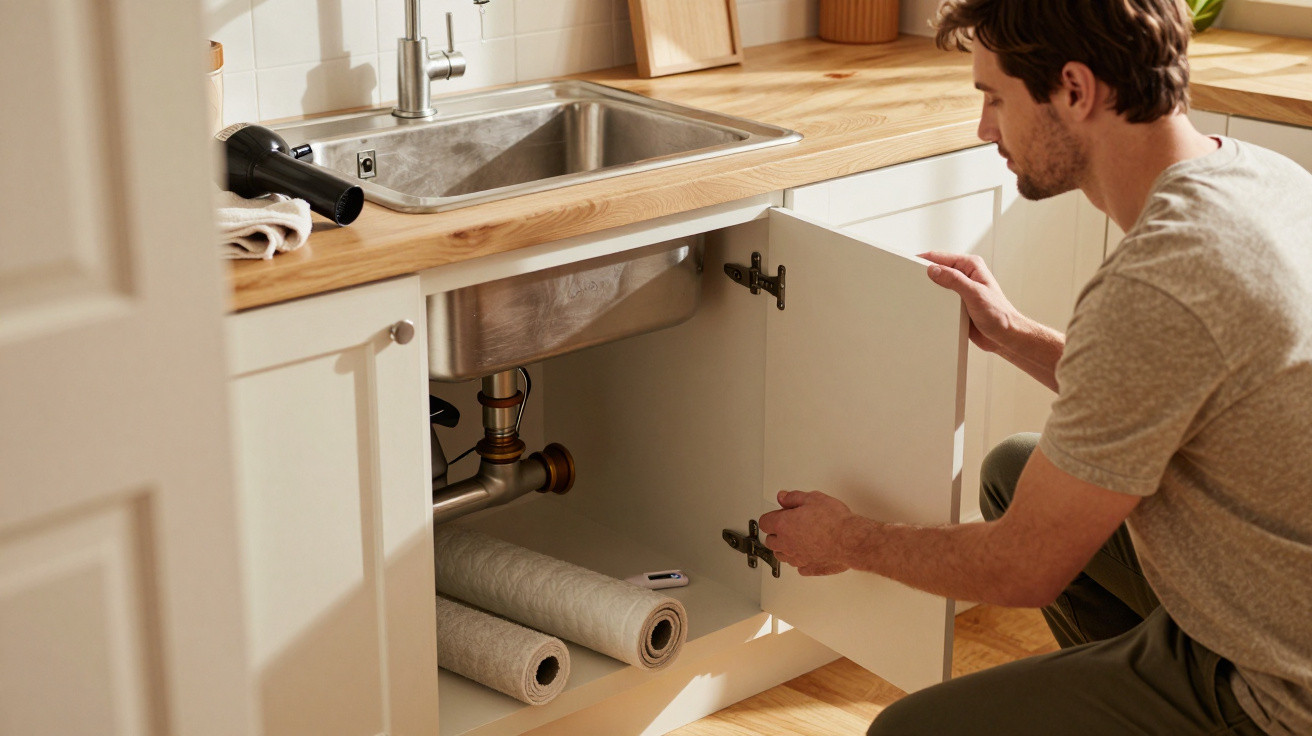
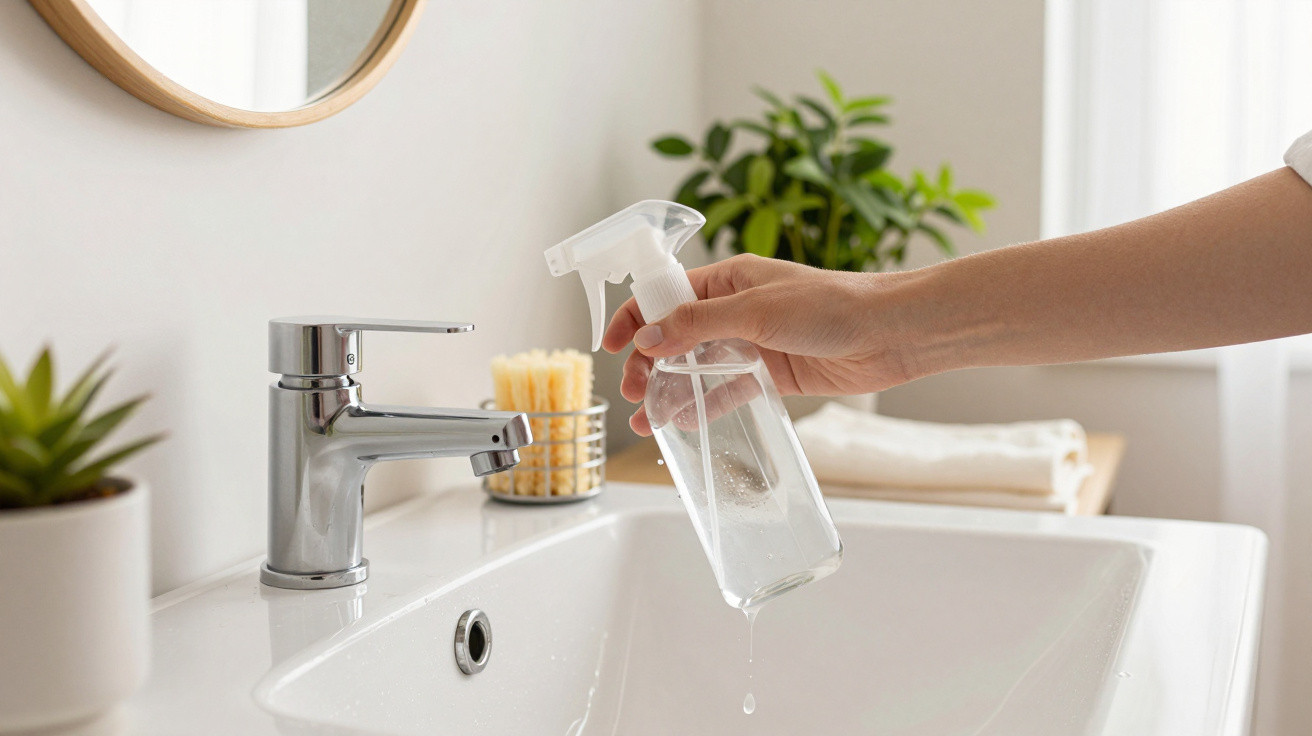
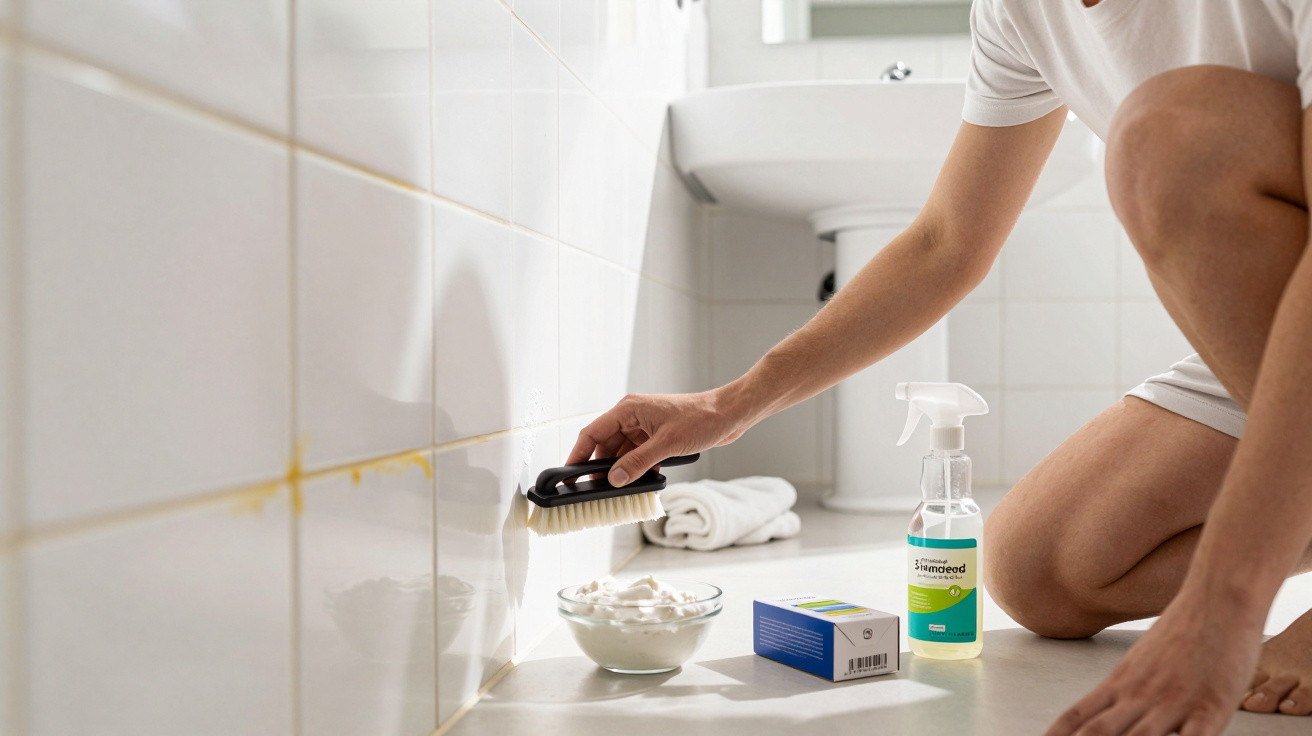
- Store a basic white-vinegar spray beneath the sink for stubborn marks, rather than everyday use.
- Do a 30-second wipe on “lazy days” and a 2-minute wipe on “motivated days”.
- Encourage children to “draw one line” on the glass with the squeegee, making it into a game.
- If you are renovating, select chrome and glass finishes that reveal fewer marks.
Other tiny tweaks that quietly slow limescale growth
Once you have addressed the habit of leaving everything wet, a few more small changes can extend the gap between deep cleans. For instance, changing to a showerhead with rubber nozzles lets you rub away limescale with your thumb before it sets hard.
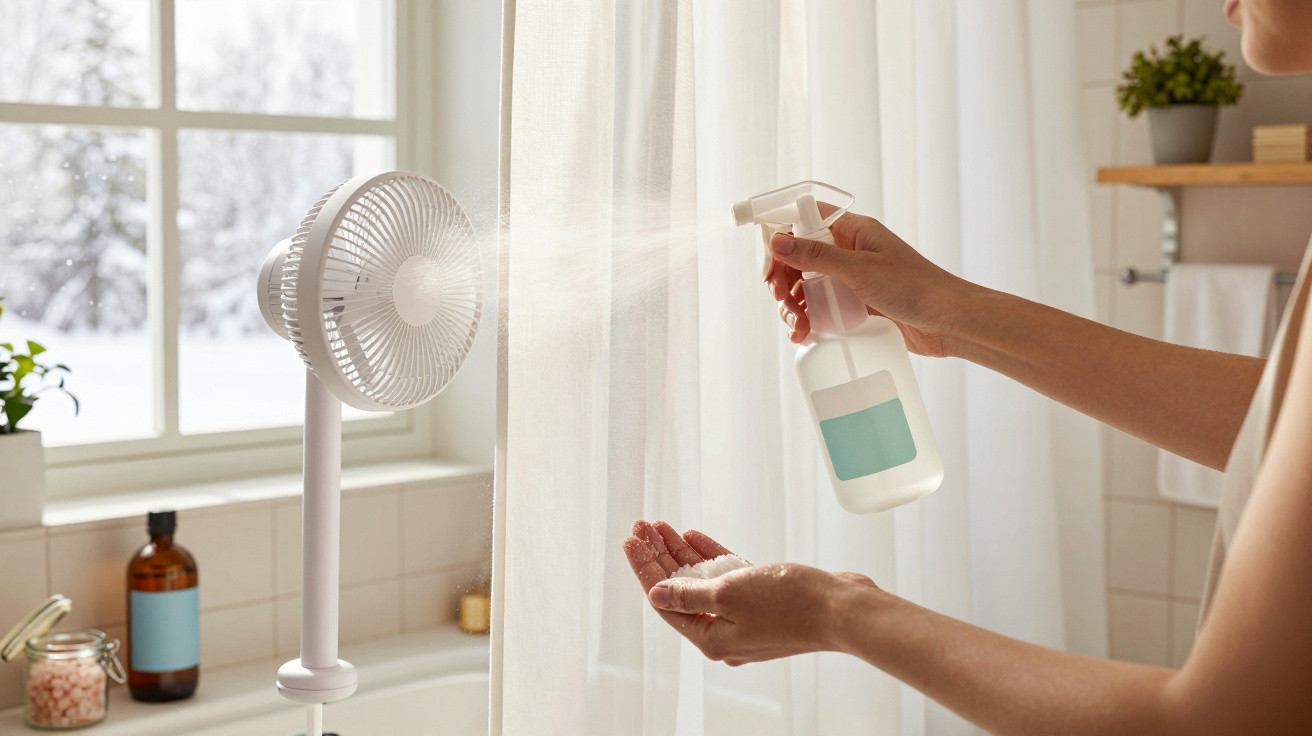
Using cooler water for quick rinses can help too. Hot water evaporates more rapidly, so it leaves its minerals behind sooner. Ending with a short cooler spray on glass and metal lowers the temperature slightly and slows evaporation. It is not a substitute for wiping, but it improves your chances.
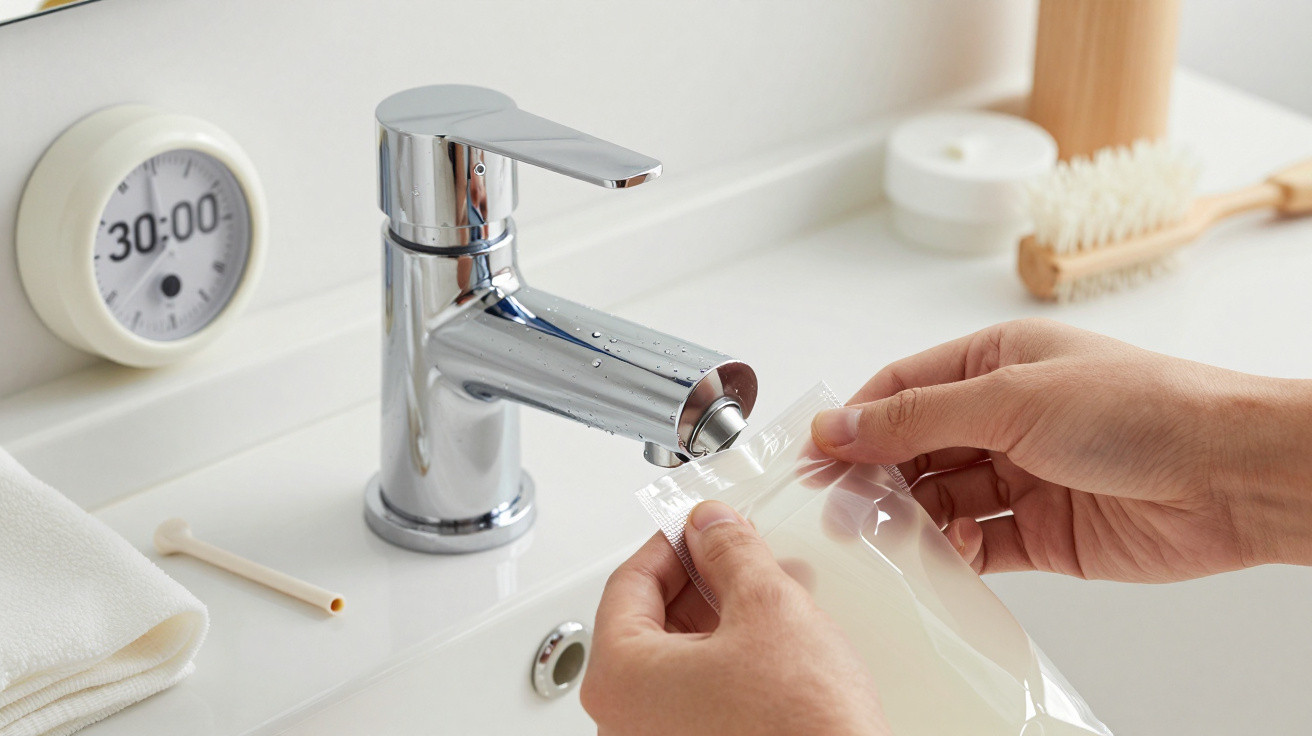
In homes with particularly hard water, fitting a basic limescale filter to the shower line can make a noticeable difference to glass and hair. It is not a miracle solution and will not undo poor habits, but many people find that tap marks become softer and crusty rings appear less often. Alongside the new wiping routine, it makes the limescale battle considerably less dramatic.
The habits you barely notice often have the greatest effect on your bathroom. Leave the shower door open after use so air can circulate. Avoid placing wet shampoo bottles on metal shelves. Rinse off soap scum promptly, before it has time to bind itself to limescale.
Every one of these actions takes only seconds. Separately, none seems particularly impressive. Together, however, they alter the whole pattern of limescale in your life and save you from the weekly struggle with a stubborn, crusted shower screen.
Ultimately, it is less about perfection than momentum. Once you experience glass that stays genuinely transparent for longer, or a tap that no longer feels rough, the “wipe after use” routine stops seeming like a chore.
It becomes part of the message your bathroom gives about you: not that you clean endlessly, but that you live with it rather than against it. The chalky rings do not have to win; they simply need a little less help from us.
| Key point | Details | Why it matters to readers |
|---|---|---|
| Leaving surfaces wet speeds up limescale | When you leave the bathroom with taps, tiles and glass still dripping, evaporation leaves mineral deposits behind. Repeating this several times daily can double visible build-up within a couple of weeks. | It explains why “I cleaned last week and it’s already back” is so common, while showing the connection between daily habits and constant scrubbing. |
| Drying takes under a minute | A quick pass with a squeegee or cloth immediately after showering removes most standing water before it dries on the surface. Focusing on the glass screen and chrome areas alone makes a significant difference. | It makes the routine achievable, even on busy mornings, and replaces a dreaded weekly clean with a few light daily actions. |
| Combining small changes slows build-up further | Finishing with slightly cooler water, choosing a showerhead with rubber nozzles and leaving the door open for ventilation all slow the rate at which limescale and soap scum settle. | It offers readers several ways to start: even one or two changes can reduce the pressure and save time and money on products. |

Comments
No comments yet. Be the first to comment!
Leave a Comment