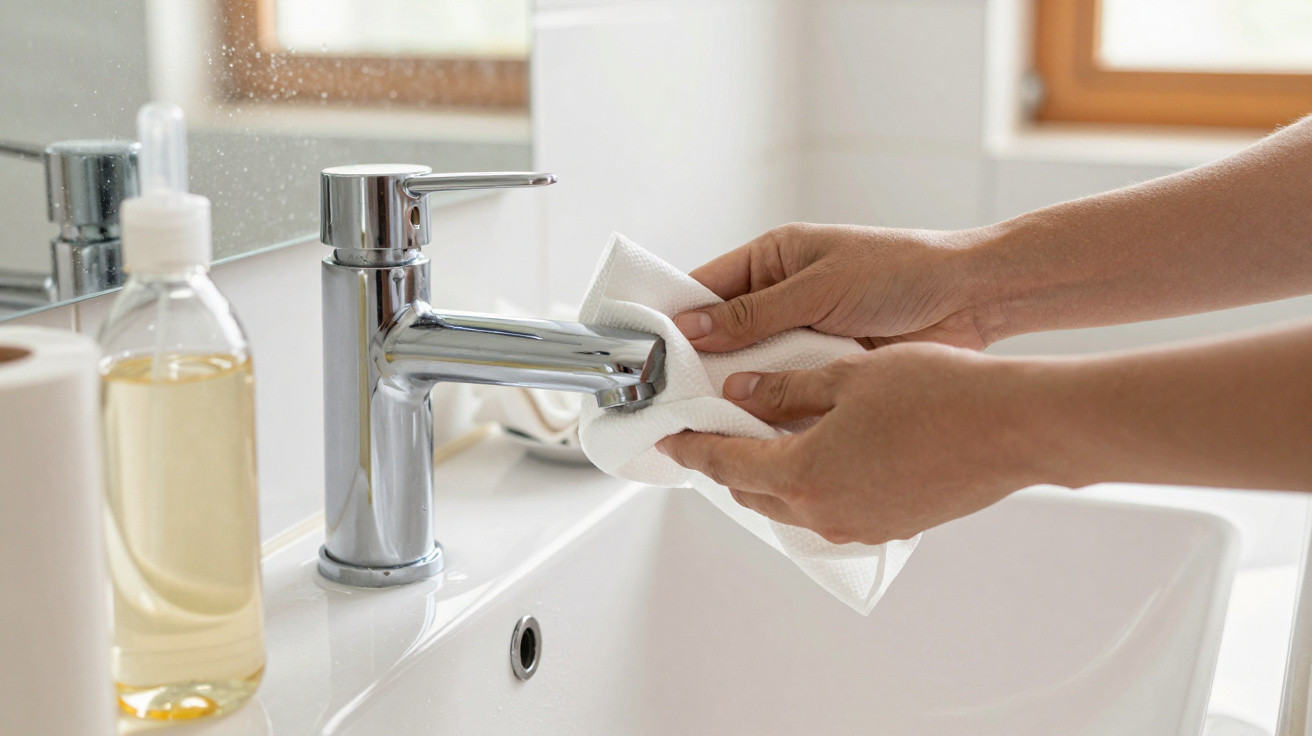
Limescale stains, hard-water marks and soap residue often build up in the bathroom, particularly on taps, shower heads, toilets and glass shower screens. One straightforward trick that has become increasingly popular is to use kitchen roll soaked in vinegar, keeping the liquid in contact with the surface for longer. This approach helps to loosen mineral deposits and makes grime easier to remove without constant scrubbing.
How does the kitchen roll and vinegar trick work?
The key is to let the vinegar work directly on the stain for several minutes. When kitchen roll is soaked in white vinegar and placed over the affected area, it forms a type of compress that prevents the liquid from evaporating too quickly.
This extended contact allows the acetic acid in vinegar to act on the mineral residue that commonly creates whitish marks and accumulated dirt. Once the waiting time has passed, cleaning is usually much easier.
Which bathroom areas can this vinegar trick be used on?
This method generally works best on surfaces affected by limescale and water stains. Chrome taps, valves, shower heads and shower-screen tracks are among the places where the technique is most often used.
It can also be used on areas with a build-up of soap residue, provided the material is suitable for vinegar use.
- Taps with water marks
- Shower heads with limescale build-up
- Valves and metal fittings
- Bathroom shower-screen tracks
- Corners with soap residue
- Areas with whitish marks caused by water
How should kitchen roll with vinegar be applied correctly?
First, soak several sheets of kitchen roll in white vinegar. Then fully cover the stained area, pressing lightly so that the paper sticks to the surface.
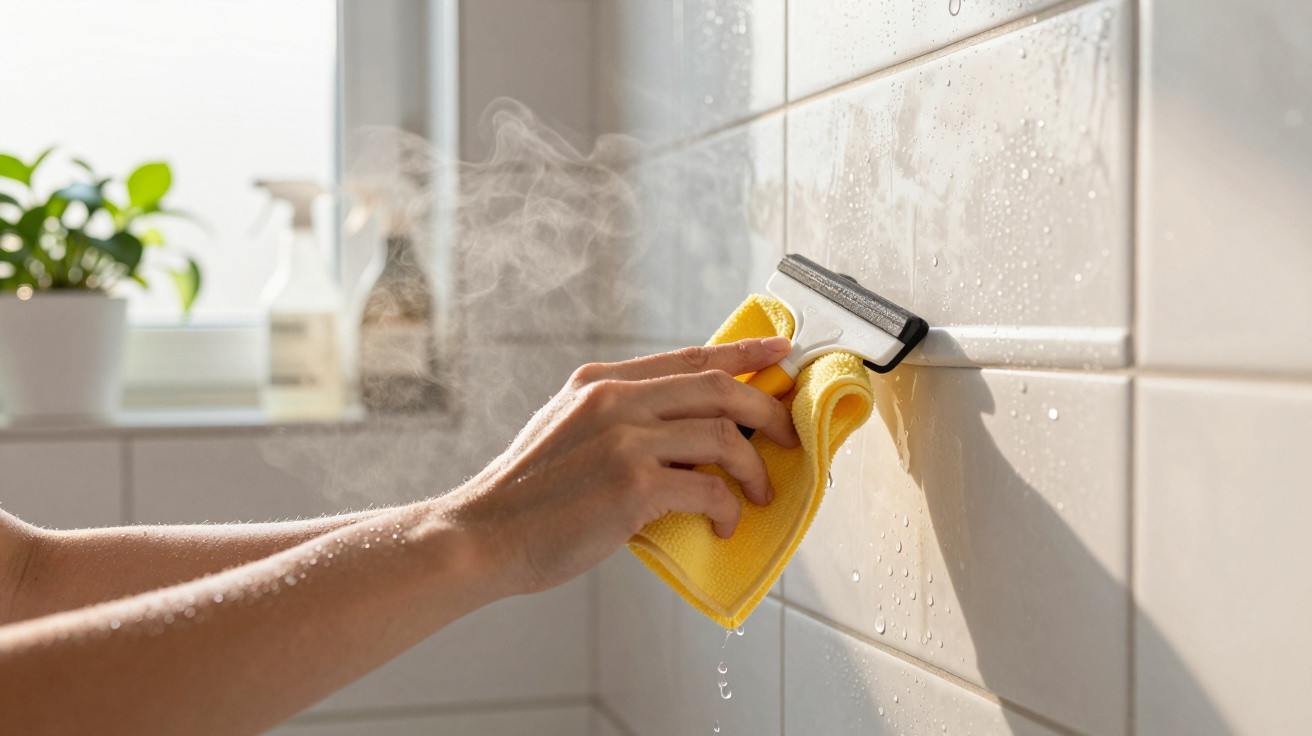
Leave it to work for around 30 minutes to 1 hour, depending on how heavy the dirt is. Afterwards, remove the paper, wipe with a soft sponge or damp cloth, and rinse as usual. In many cases, the dirt comes away with far less effort.
- Moisten the kitchen roll with white vinegar
- Cover the entire stained area
- Wait between 30 minutes and 1 hour
- Carefully remove the paper
- Clean with a cloth or soft sponge
- Rinse and dry the surface
What precautions should be taken before using vinegar?
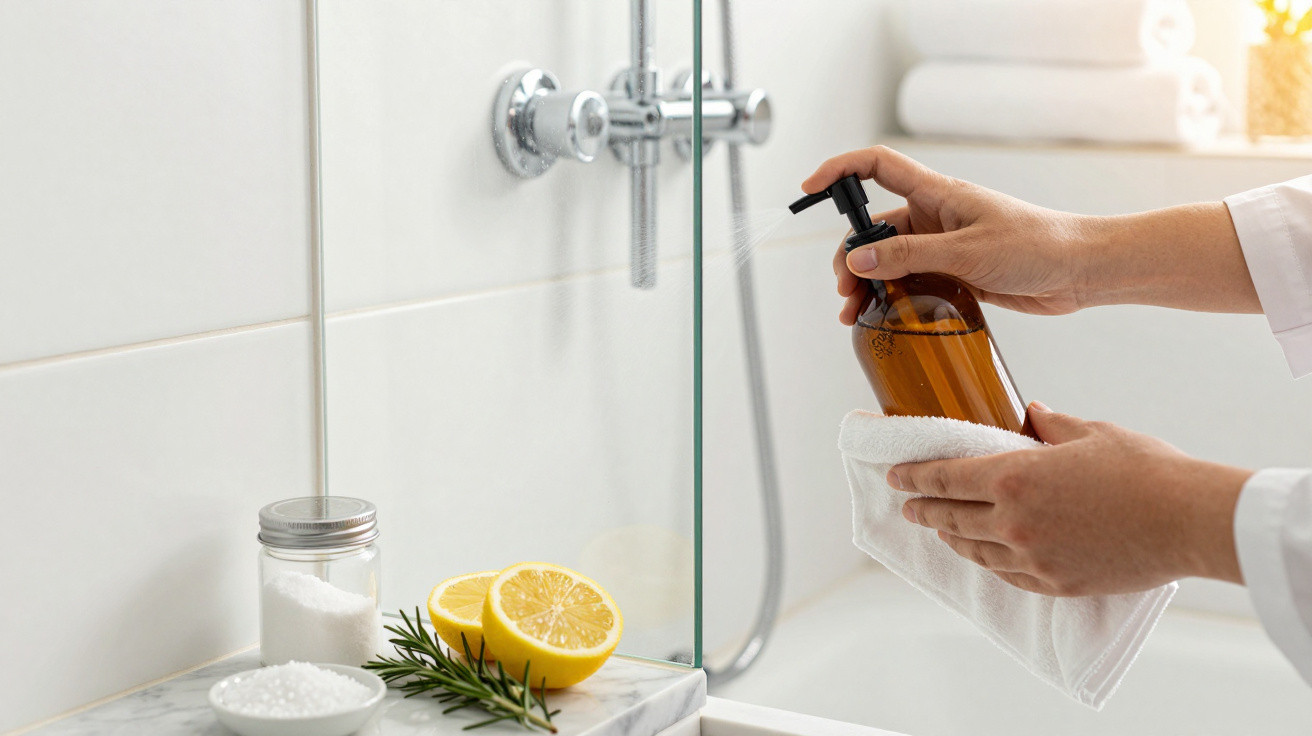
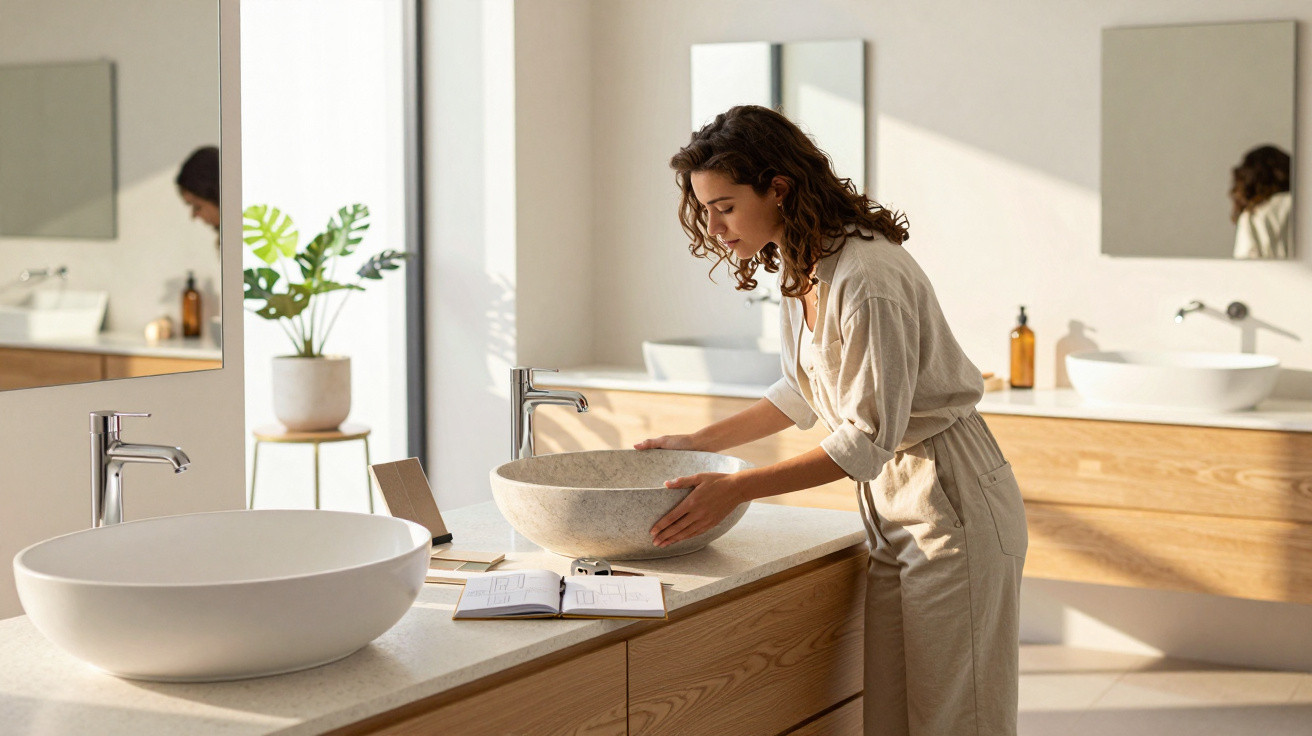
Although it is widely used for household cleaning, vinegar is not suitable for every surface. Natural stones, including marble, travertine and some types of granite, may be damaged because of its acidity.
It is also important never to mix vinegar with bleach or other chemical cleaning products, as the combination can produce dangerous gases. Always use vinegar on its own and keep the room ventilated while cleaning.



Comments
No comments yet. Be the first to comment!
Leave a Comment