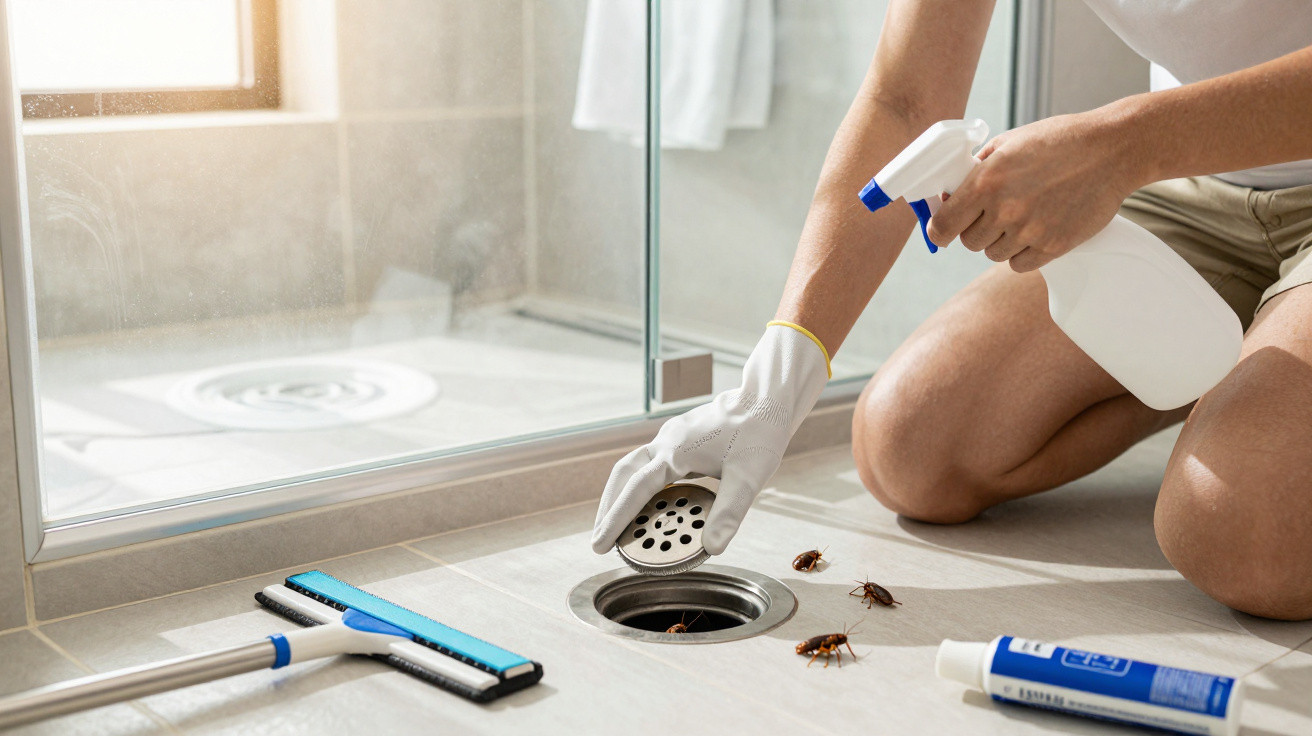
Unwanted insects can seriously undermine wellbeing and hygiene in any urban home. Many people face the recurring appearance of hazardous invaders in bathrooms and look for effective ways to eliminate excessive moisture and the shelters that encourage this unpleasant infestation.
How do cockroaches get into and hide in the bathroom?
These urban pests are strongly nocturnal and avoid direct light whenever they can. Their flexible bodies allow them to seek out exceptionally narrow gaps, especially vertical cracks just a few millimetres wide, where they feel protected from predators and frequent household cleaning.
In addition, the damp conditions left after bathing create the ideal setting for rapid breeding. Open drains and gaps near the shower enclosure act as perfect entry points, enabling insects to move freely and establish concealed colonies within the structure without drawing immediate attention.
To prevent this unwanted invasion, several key areas require specific day-to-day care:
- Frequent hygiene: Cleaning biological residue with detergent removes aggregation pheromones.
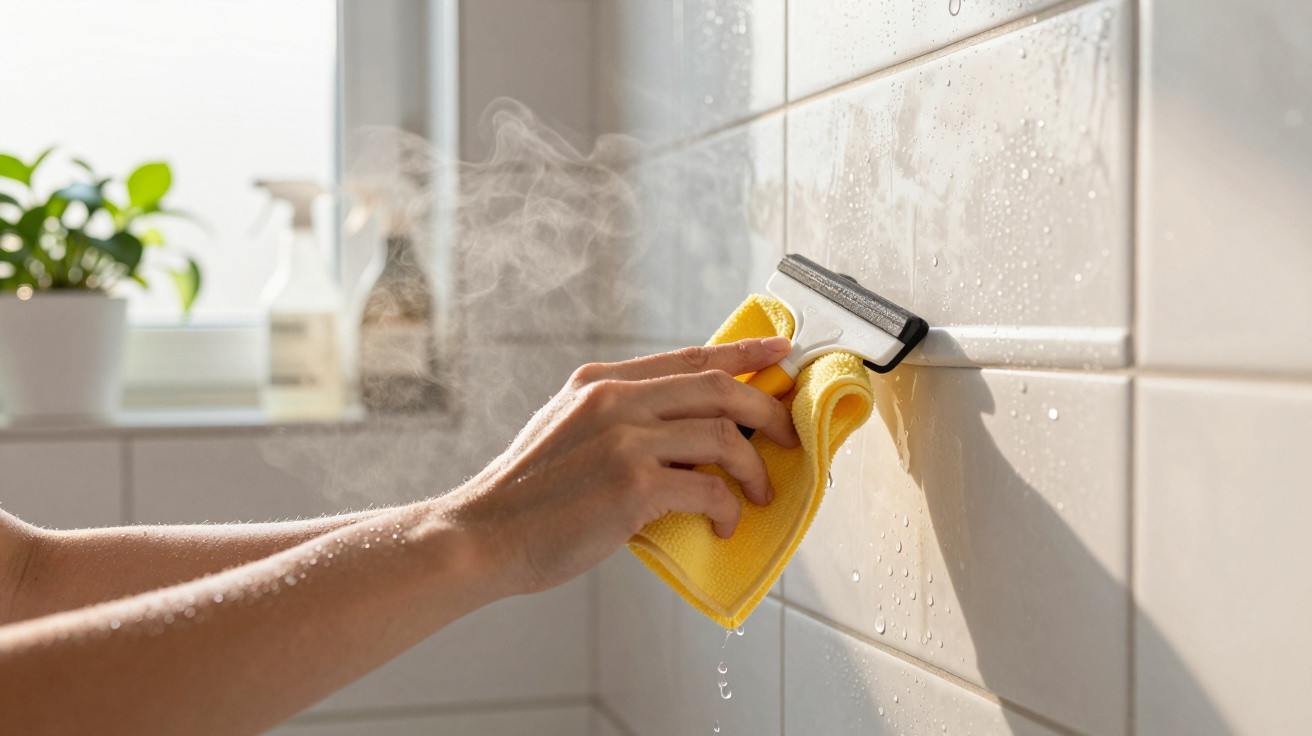
- Moisture control: Keeping the room dry after bathing removes the water needed for survival.
- Sealing gaps: Closing narrow vertical openings prevents insects from finding secure hiding places.
- Airflow: Encouraging air circulation deters species that avoid moving air.
- Drain protection: Using physical barriers stops pests from rising directly from sewers.
What are the best integrated pest management practices?
Repeated use of ordinary chemical insecticides often fails because biological resistance develops quickly. Excessive use of conventional sprays kills only some of the invaders, leaving resistant individuals that ignore the poisonous substances and continue breeding at a concerning rate.
For this reason, the strategy centres on continual monitoring and manual removal with a specialist vacuum. Vacuuming insects dislodged by compressed air produces immediate results and prevents cross-contamination, which can otherwise render gel baits strategically placed in the kitchen or bathrooms ineffective.
For detailed explanations of professional urban pest-control techniques, watch the guidance provided by the eXFireAnts YouTube channel:
Why do drains require special attention?
Pipework gradually collects organic debris, including hair and soap. This layer becomes an ideal food source for urban pests, making effective treatment necessary to break down the biological matter that draws insects towards the inhabited surface.
Pipework Maintenance
The Hidden Danger in Pipes
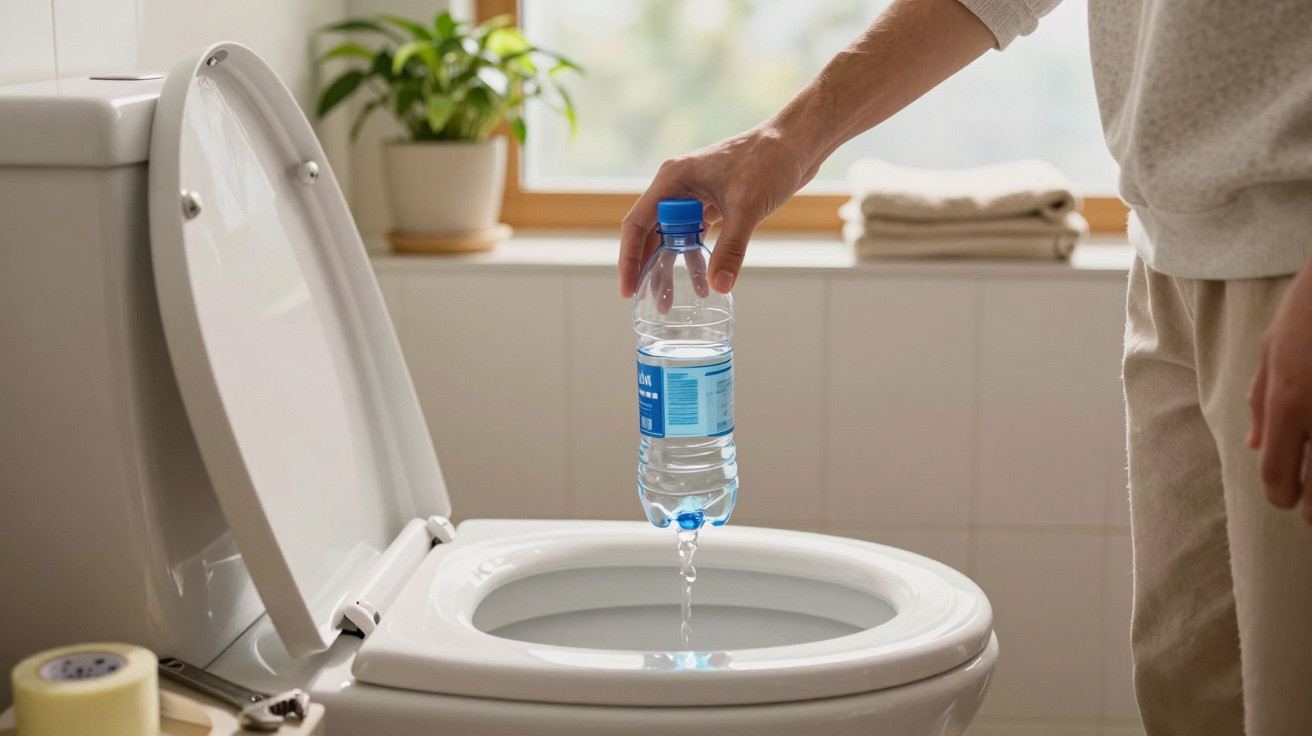
Water stored in traps can evaporate during periods when the bathroom is empty or rarely used, removing the natural protective physical barrier.
Without this liquid water seal, insects can easily climb from the sewers directly on to your bathroom floor.
Moreover, standard washing merely pushes surface dirt along without tackling the source of the problem. Deep cleaning requires suitable products that clean the inner walls of pipes, preventing the unrestricted movement of pests through the sewer network.
To prevent biological growth in these areas, the following measures avoid common mistakes:
- Avoid using bleach on its own, as it runs away without cleaning the pipe walls.
- Apply products based on active enzymes to digest greasy biological build-up effectively.
- Fit modern mechanical protectors or open-and-close drain grates in the room.
How can mothballs be replaced safely?
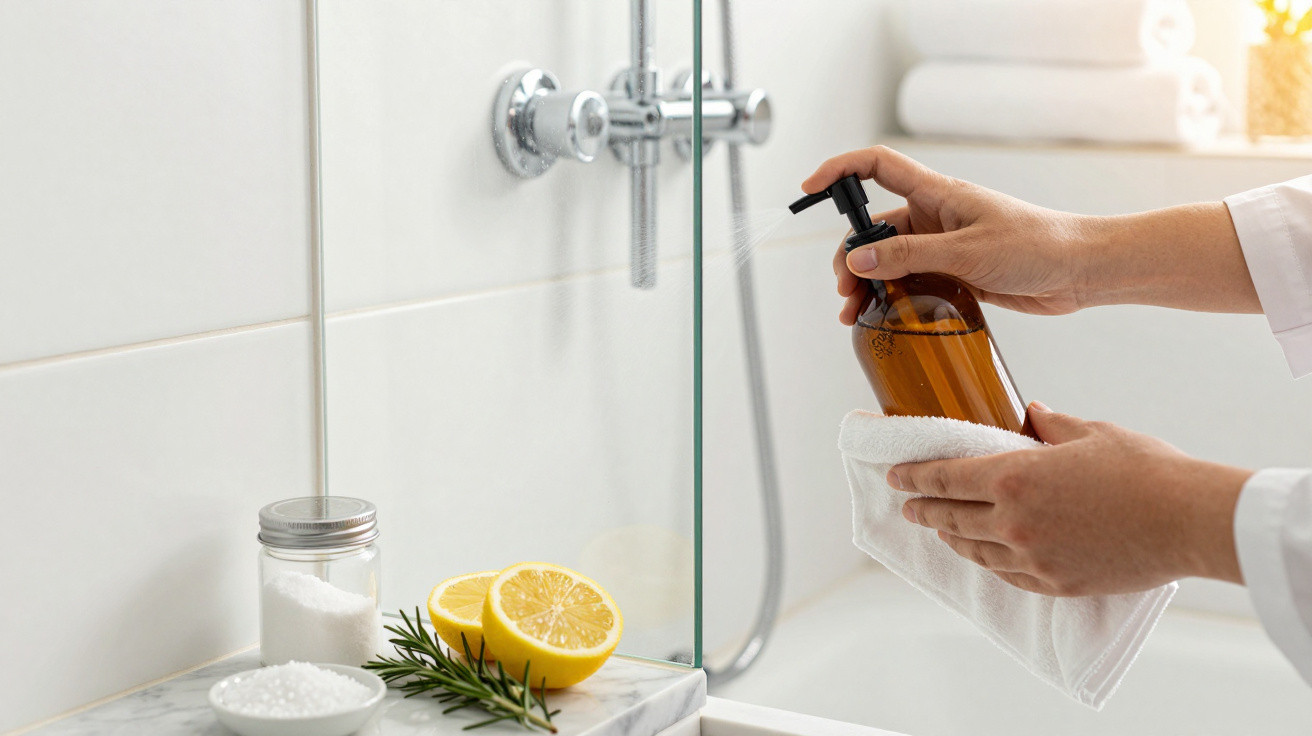
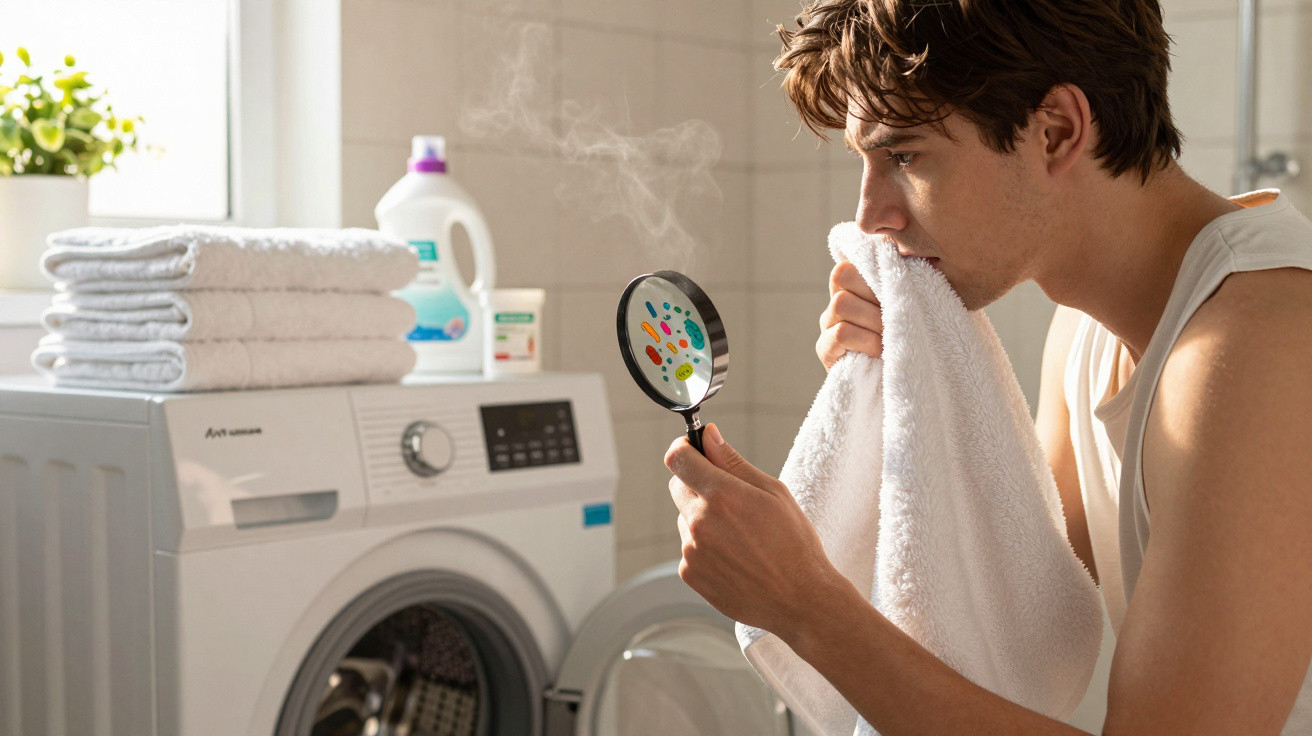
Using tablets with extremely strong odours can cause chronic respiratory discomfort and serious risks to residents and animals. These outdated chemical solutions release potentially toxic substances into enclosed air, masking poor hygiene and creating false impressions of sanitary safety.
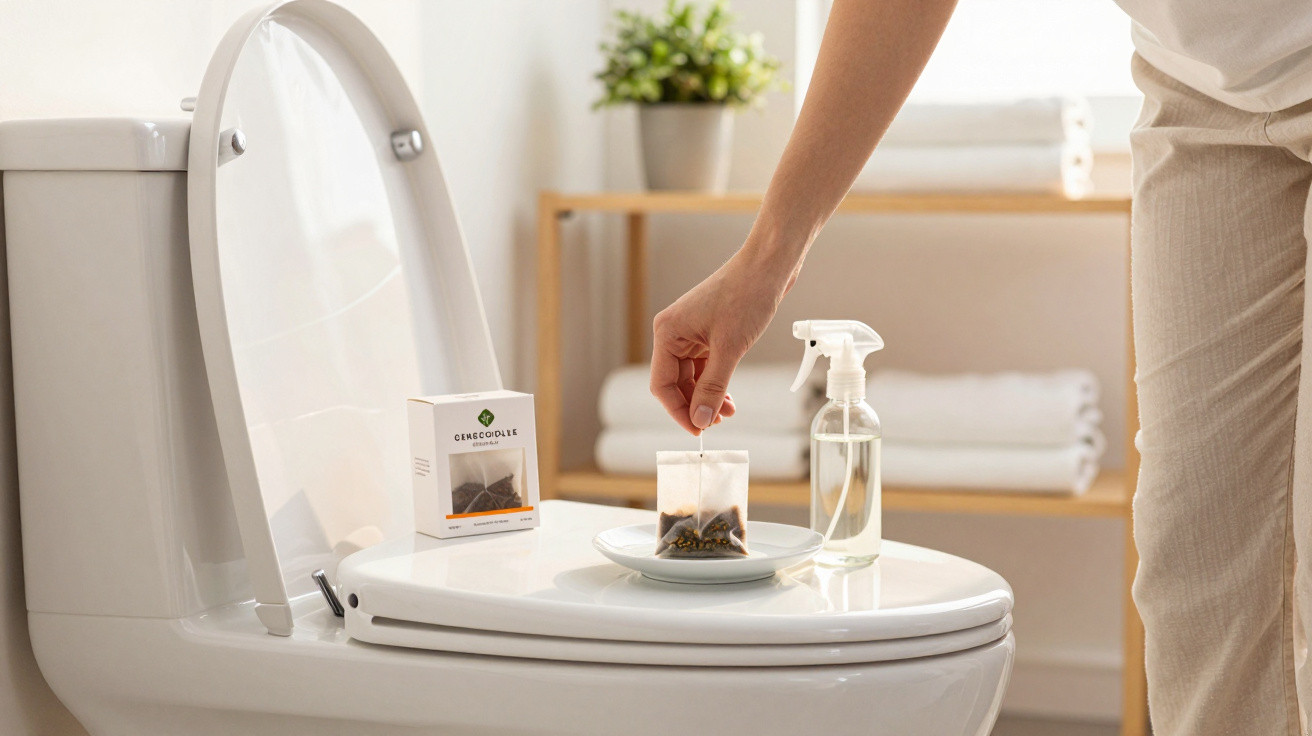
Replacing these heavy compounds with integrated ecological measures protects the family's health permanently. Completely removing unnecessary accumulated items takes away preferred hiding places, naturally forcing pests out and allowing far cleaner and more effective targeted control.
Adopting humane and environmentally friendly alternatives involves the following practical changes in the home:
- Replace corrugated cardboard boxes with airtight rigid plastic organisers.
- Clean affected surfaces with warm mild detergent to remove invisible chemical trails.
- Use physical barriers in gaps beneath bathroom entrance doors.
What role does awareness play in prevention?
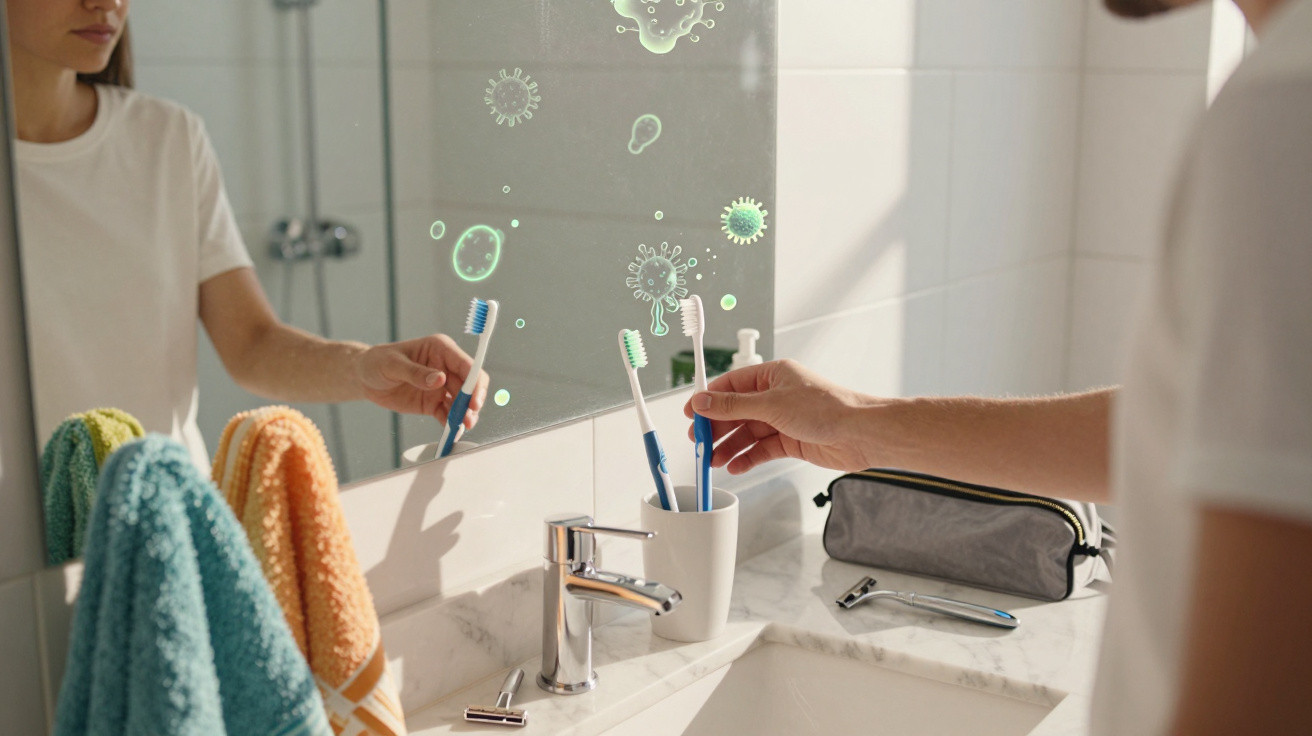
Sustainable pest prevention depends directly on profound changes to the behaviour of every resident. Careful organisation of indoor spaces and the disposal of old boxes reduce the likelihood of accidentally bringing new harmful species into the protected home.
Maintaining clear communication about sightings and prioritising building maintenance are the essential foundations of long-term success. Combining collective efforts for regular hygiene transforms the household routine, ensuring bathrooms remain completely free of insects without the need for harsh chemicals.
Read also: Goodbye to diesel: scientists develop an engine that uses seawater





Comments
No comments yet. Be the first to comment!
Leave a Comment