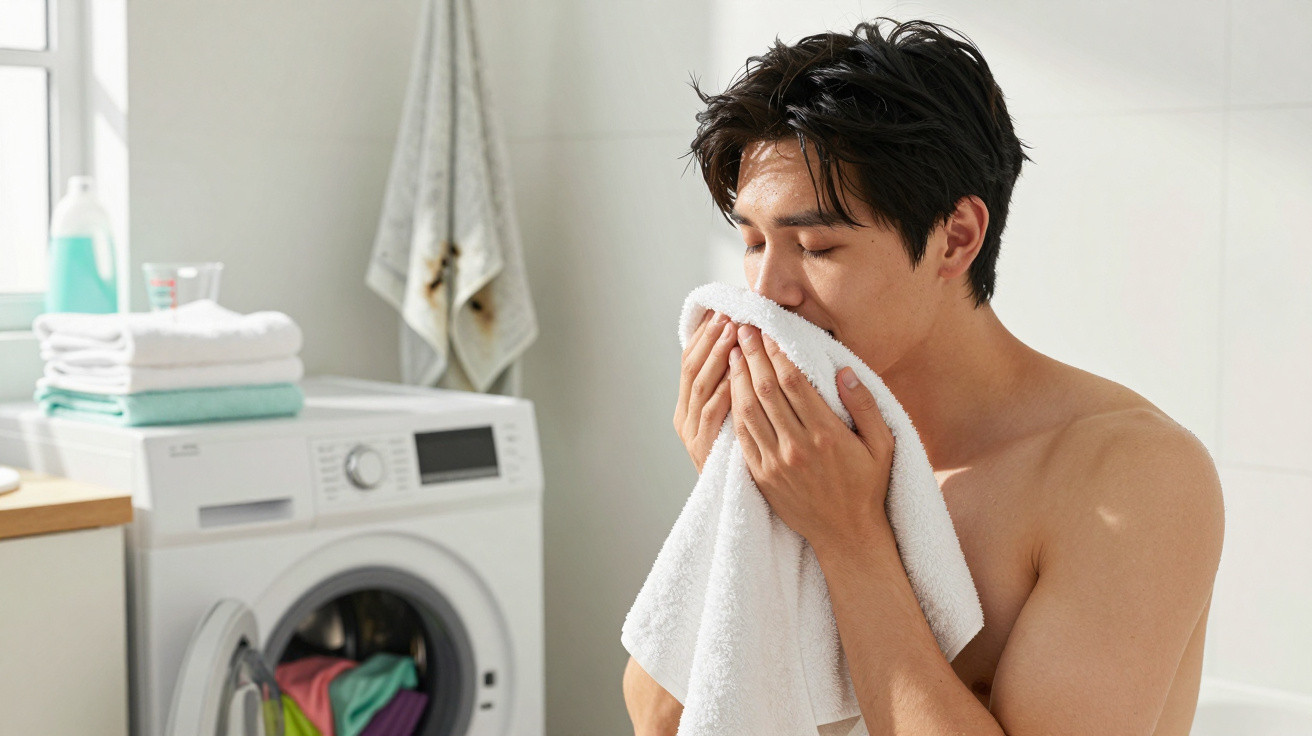
They may appear neatly hung in the bathroom and feel fresh – yet they can still be real breeding grounds for germs.
Many people wash their towels far too infrequently.
Anyone who dutifully puts hand towels and bath towels in the washing machine once a week will often consider that exemplary. However, research and the day-to-day advice of hygiene specialists show that this routine is insufficient. Beneath the fluffy fabric, an invisible combination of bacteria, fungi and residue can quickly develop, potentially affecting both skin and health.
Why towels become dirty sooner than we assume
Towels seem clean because we use them after showering or washing our hands, when our bodies have just been cleaned. Yet that very assumption is misleading.
After only a few uses, the fabric can collect:
- dead skin cells
- body oils and traces of sweat
- residue from shower gel, shampoo, cream and make-up
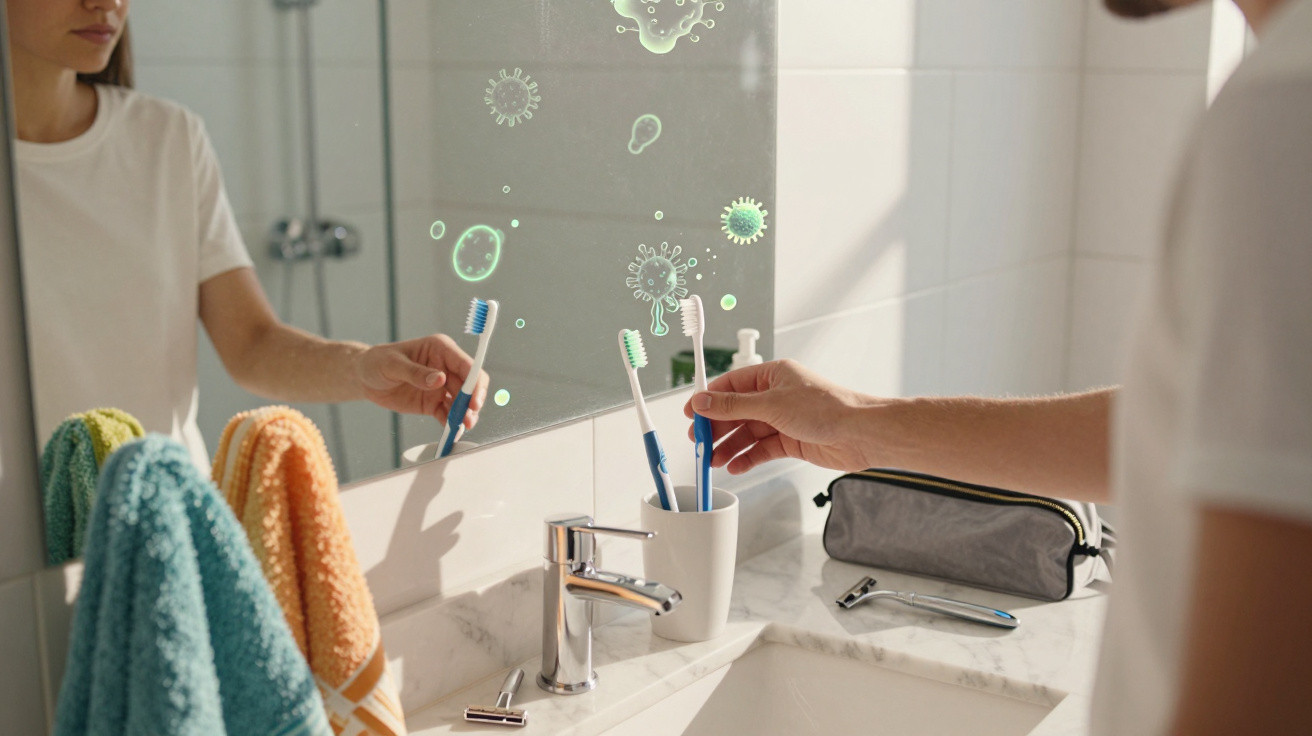
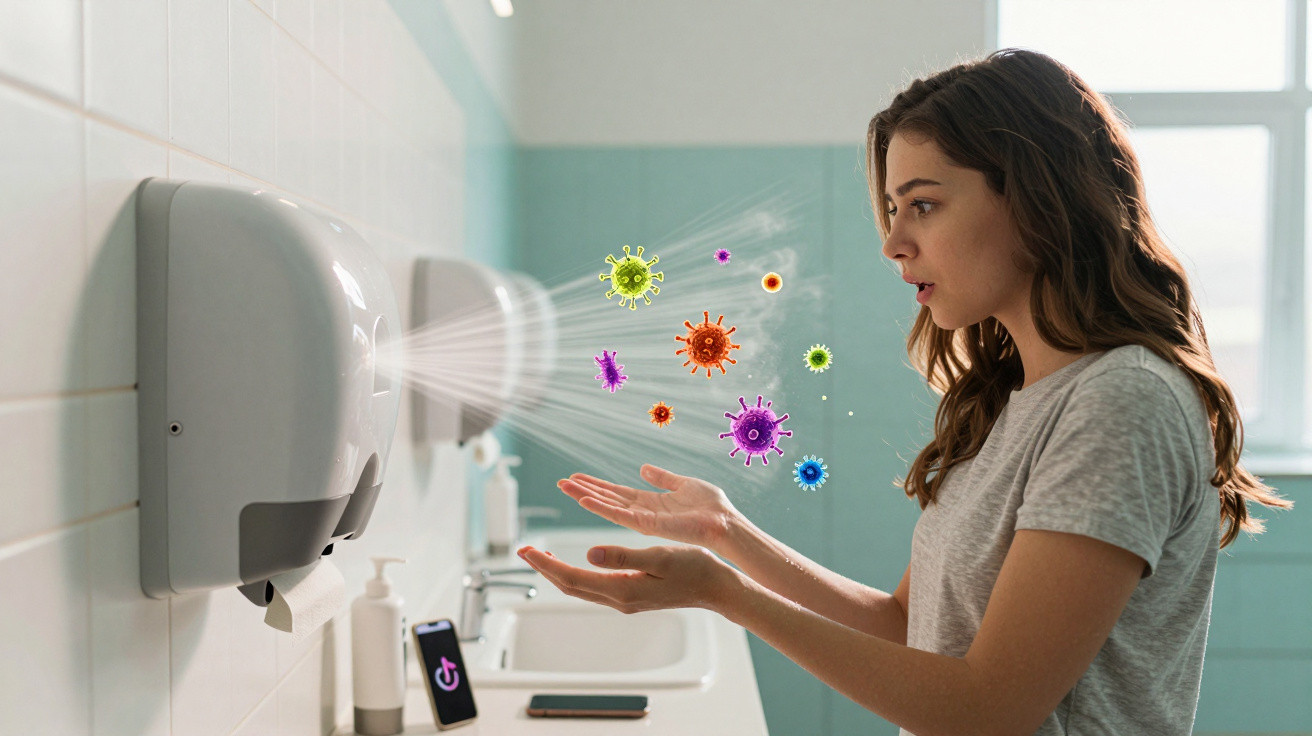
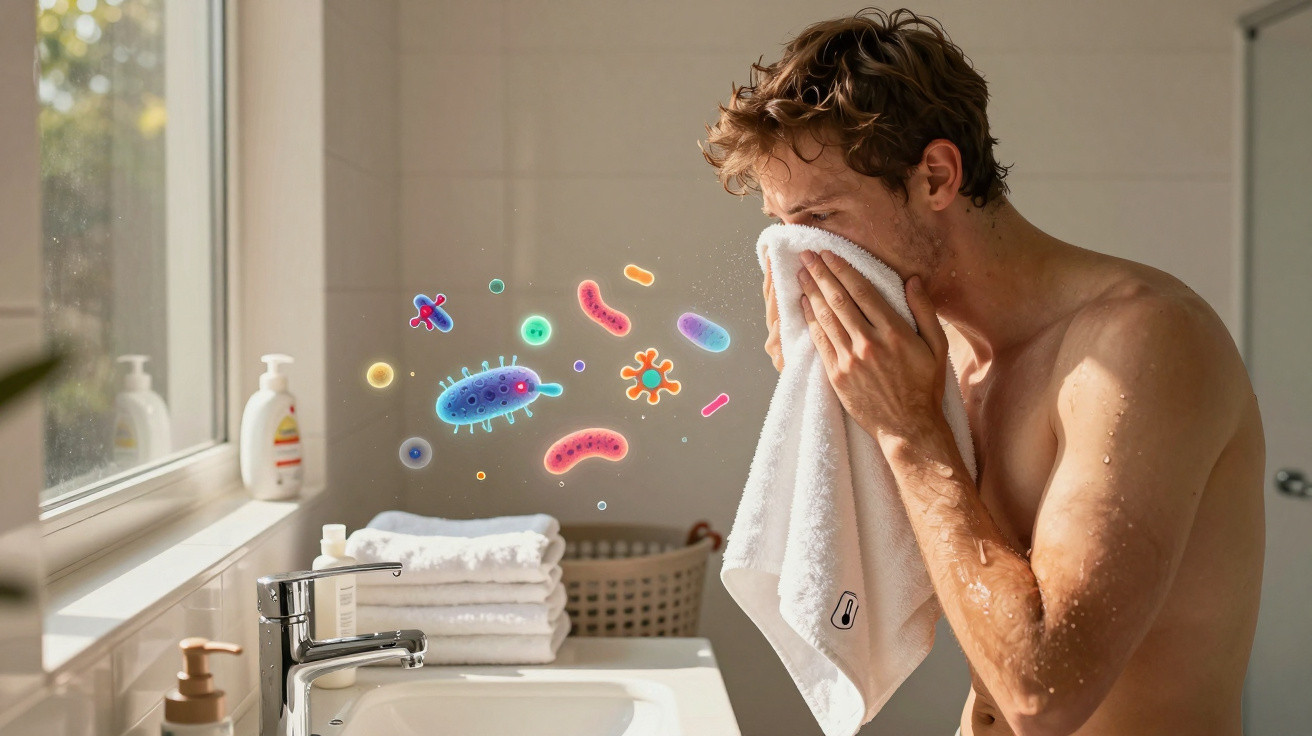
Micro-organisms thrive in fibres containing a mixture of moisture, warmth and organic material. This is especially true in poorly ventilated bathrooms, where the damp conditions allow germs to multiply rapidly.
“A damp towel can carry considerably more bacteria after just a few hours than it did immediately after washing – even if it still looks ‘clean’.”
Microbiologists point out that the first significant levels of bacteria can develop after just two to three uses. If the towel then remains hanging in the bathroom for days, the likelihood of skin irritation and infections increases substantially.
The towel hook is often the biggest germ trap
In everyday use, three factors make towels particularly problematic:
- Damp storage: Simply throwing a towel in a crumpled heap over a hook after showering creates an ideal breeding ground.
- Multiple users: When several people share the same towel, they inevitably exchange their skin flora – including disease-causing germs.
- Existing health conditions: People with acne, eczema, open skin areas, fungal infections or allergies are more sensitive to high germ levels in fabric.
For people with skin conditions or allergies in particular, unclean towels can aggravate spots, redness, eczema or fungal infections. It is also worth reviewing the washing routine in households with young children, older people or those with chronic illnesses.
How often should towels really be washed?
The old rule of thumb that “once a week is enough” is long outdated from a hygiene perspective. Specialists advise much shorter intervals, depending on the type of towel and how it is used.
| Type of towel | Recommended washing frequency |
|---|---|
| Bath towel / shower towel | after 3–4 uses (usually every 2–3 days) |
| Hand towel by the washbasin | every 1–2 days |
| Sports or sauna towel | after every use |
| Face towel / flannel | daily |
Anyone who showers every day and uses the same towel each time can therefore quickly end up doing three washes a week – something that surprises many people. The reason is that a damp towel can multiply its bacterial count within a few hours, especially in a warm bathroom with poor ventilation.
During hot summer months or in very humid homes, it is sensible to shorten these intervals slightly further. In dry, well-aired rooms, it may occasionally be possible to wait one extra day, but appearance alone should not be relied upon.
How to care for towels properly – step by step
Dry towels correctly instead of letting them become musty
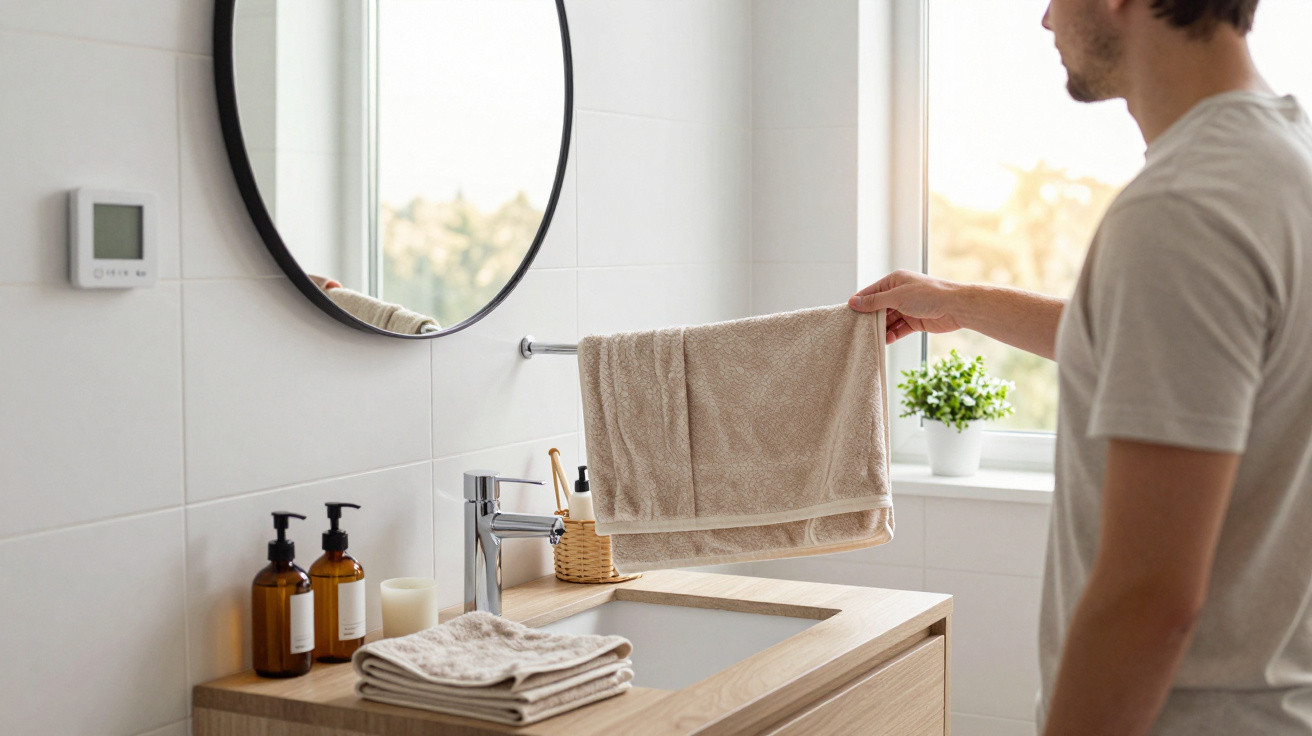
- After use, hang towels up flat and spread out rather than pushing them into a bundle.
- If the bathroom stays damp, move towels to a drier room or hang them on the balcony.
- Allow them to dry completely between uses – the fabric should not feel clammy.
Choose washing temperature and detergent wisely
- Ideally, wash towels at 60°C to kill most germs.
- A biological washing powder usually cleans more effectively and has a mild disinfecting effect.
- Do not overload the washing machine, so that water and detergent can reach every fibre.
Use fabric conditioner very sparingly
- Excess fabric conditioner coats the fibres like a film.
- As a result, towels may feel soft but absorb noticeably less water.
- Those unwilling to give up the “hotel towel effect” can occasionally use a small splash of fabric conditioner, or alternatively add a little white vinegar to the detergent drawer.
When should a towel be thrown away?
Even excellent care can only extend a towel’s life for so long. Over time, fibres break down, the fabric becomes thinner and absorbency declines. Moisture and germs then build up more quickly.
- It is best to discard towels that are badly faded, stiff or full of holes.
- As a rough guide, replace the most frequently used bath towels every one to two years.
- Old towels can still be put to good use as cleaning cloths or for the car.
When extra caution is needed
In certain circumstances, even a “normal” hygiene routine is not enough. Anyone whose health is compromised should change towels even more consistently.
- Acute infections: With colds, stomach bugs, fungal infections or open wounds, use fresh towels daily.
- Acne and sensitive skin: Use separate, small towels for the face where possible and change them every day. This reduces the amount of bacteria transferred back to the skin.
- People with allergies or asthma: Regularly use fresh cotton towels to keep exposure to dust and micro-organisms low.
“One simple rule helps: where there are skin problems, infections or existing health conditions, it is better to use one fresh towel too many than one too few.”
Practical everyday tips – without mountains of washing
Many people are put off shorter washing intervals because they fear piles of dirty laundry. A few straightforward measures make it manageable:
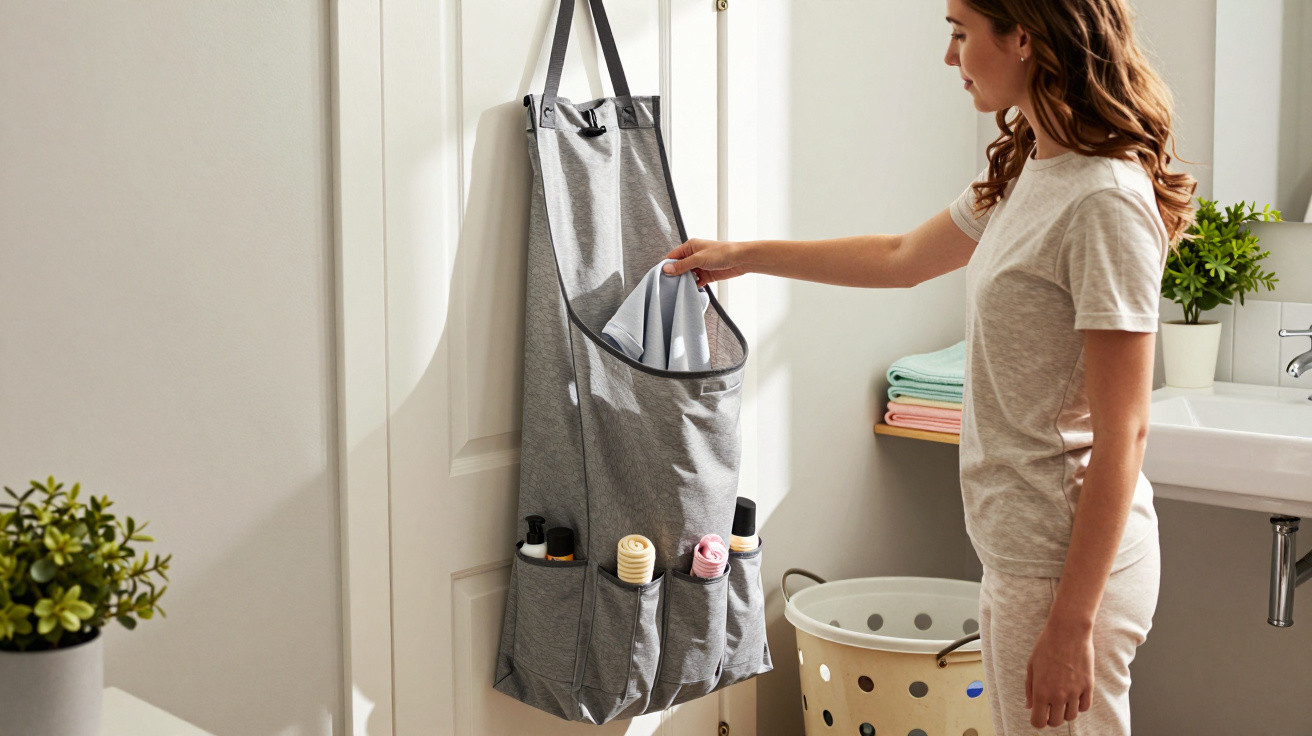
- Keep at least three to four bath towels in circulation per person, as well as several smaller guest or face towels.
- Give each person a different colour or pattern so mix-ups are noticed more quickly.
- A fixed towel-washing day during the week helps establish a routine without running the machine constantly.
- People who exercise frequently should keep extra sports towels and put them straight into a separate laundry bag after training.
What actually happens in towel fabric
For many people, warnings about “germs in towels” sound abstract. Looking at the microbiological processes involved makes the difference easier to understand.
Bacteria reproduce quickly under ideal conditions. Moisture, warmth and nutrients are all present in a freshly used towel. Studies show that the germ count on a wet towel can double in less than half an hour. When the towel is then placed back on the skin, it exposes it to significantly more micro-organisms than is beneficial.
Most of these germs are harmless, originating from the body’s normal skin flora. Problems arise when disease-causing bacteria or fungi are added, or when the skin barrier is already weakened. Anyone repeatedly using the same towel is, in effect, “vaccinating” themselves every day – just not in a positive sense.
Why changing your towel routine pays off
People who permanently adjust their routine often notice changes after just a few weeks: fewer unpleasant bathroom smells, less skin irritation and fewer small spots on the back, shoulders or face. Families also get through cold season more easily when nobody uses another person’s towel.
There is another benefit: people who consciously monitor the condition of their towels also tend to pay closer attention to ventilation, the indoor climate and general bathroom hygiene. This lowers the risk of mould, improves air quality and makes daily life more pleasant – without major expense, simply by being more consistent with washing intervals and drying.






Comments
No comments yet. Be the first to comment!
Leave a Comment