The tiles shine, the mirror is streak-free and the floor has been mopped – yet the air still smells faintly musty, silicone seals turn yellow and dark spots keep returning. Specialists say the cause is often not a lack of cleaning product, but an everyday post-shower habit that is widely neglected.
The overlooked step after showering
After stepping out of the shower, most people focus only on drying themselves. The shower itself is left dripping wet, with water sitting on the seals. This is exactly where hygiene specialists focus: it is not the weekly deep clean that makes the difference, but what happens – or fails to happen – in the few minutes immediately after every shower.
Silicone seals around showers, baths and washbasins are considered a particular problem area. They remain damp constantly, are exposed to hot water and steam, and often do not dry fully for many hours. During that time, mould spores and bacteria thrive.
Removing water from silicone seals every day significantly reduces the risk of mould and musty odours – with minimal effort.
Why wet seals can become a health risk
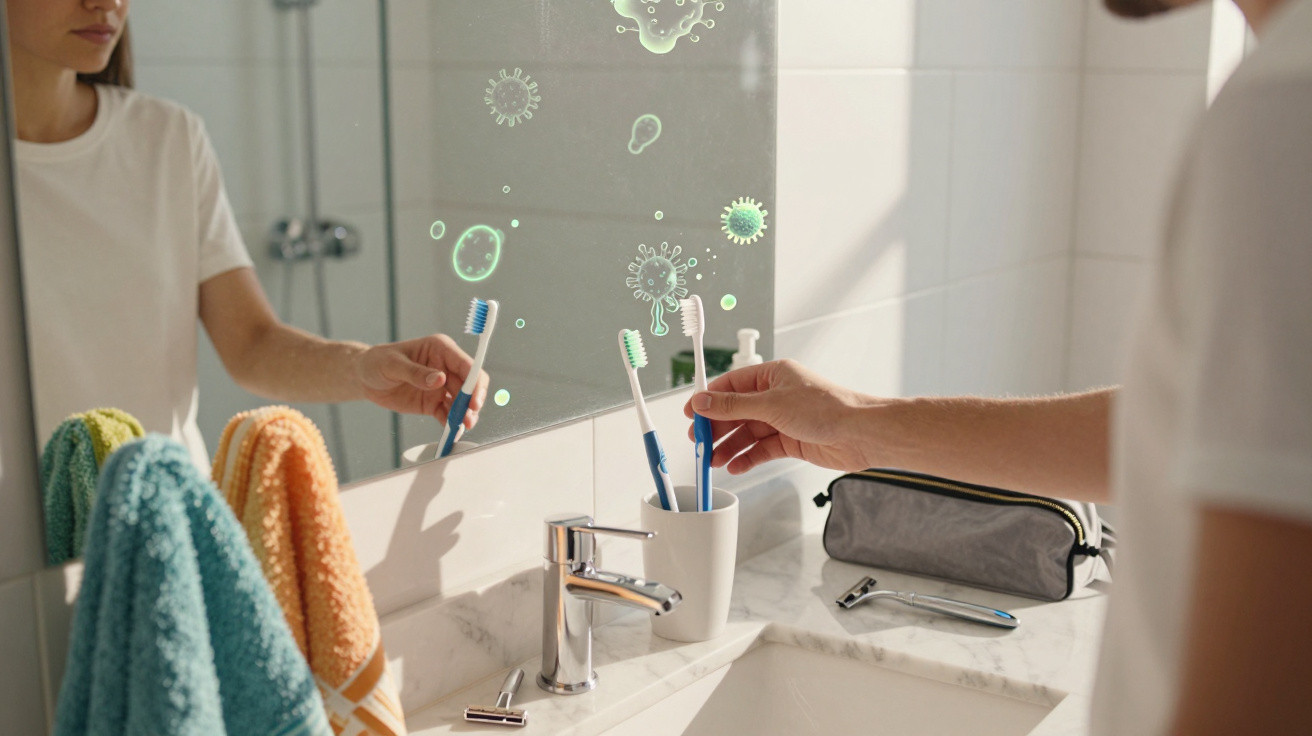
Moisture alone is not necessarily harmful; it becomes problematic when combined with warmth and organic residue. The shower collects:
- soap and shampoo residue
- limescale from hard tap water
- dead skin cells and body oils
- airborne dust particles
This mixture settles in and on the silicone. If it remains wet over time, it creates an ideal breeding ground for mould. The consequences include:
- dark patches and black edges on the seals
- a persistent musty or earthy smell in the bathroom
- respiratory irritation in sensitive people
- worsening symptoms for allergy sufferers or people with asthma
Children, older people and those with weakened immune systems are especially sensitive to these effects. Anyone who thinks that “a little mould is not that bad” is downplaying the long-term impact of repeated exposure to spores indoors.
The simple two-step anti-mould routine
Rather than buying costly specialist cleaners, experts recommend a surprisingly straightforward method. It takes only seconds, yet offers far greater long-term benefits than any one-off treatment with harsh chemicals.
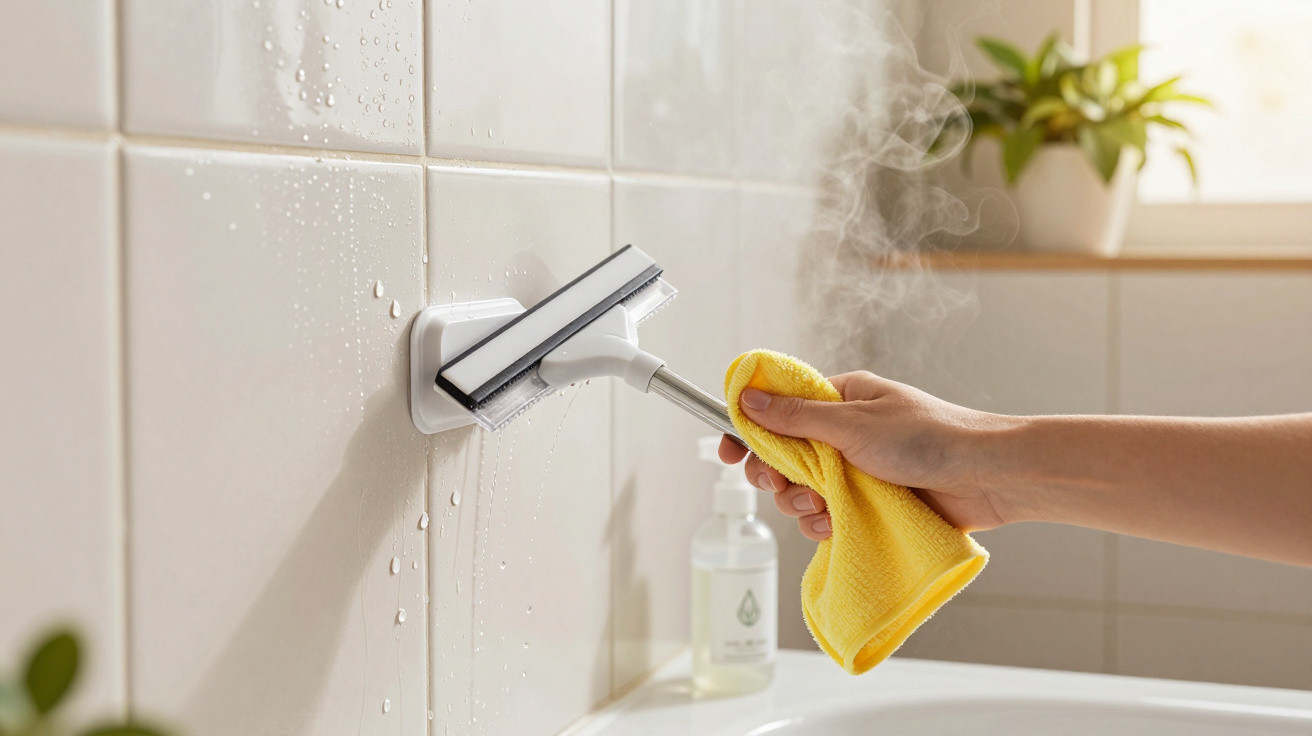
Step 1: Squeegee away the water
Immediately after a shower or bath, professionals use a standard rubber-bladed squeegee. This simple shower squeegee removes water from tiles, glass and, most importantly, the silicone seals by drawing it downwards. Far less moisture is then left on the surfaces.
Consistency is essential: do it after every shower, not merely from time to time. At first, setting a timer or putting a note on the mirror can help; most people adapt to the new routine within a few days.
Step 2: Briefly dry the seals
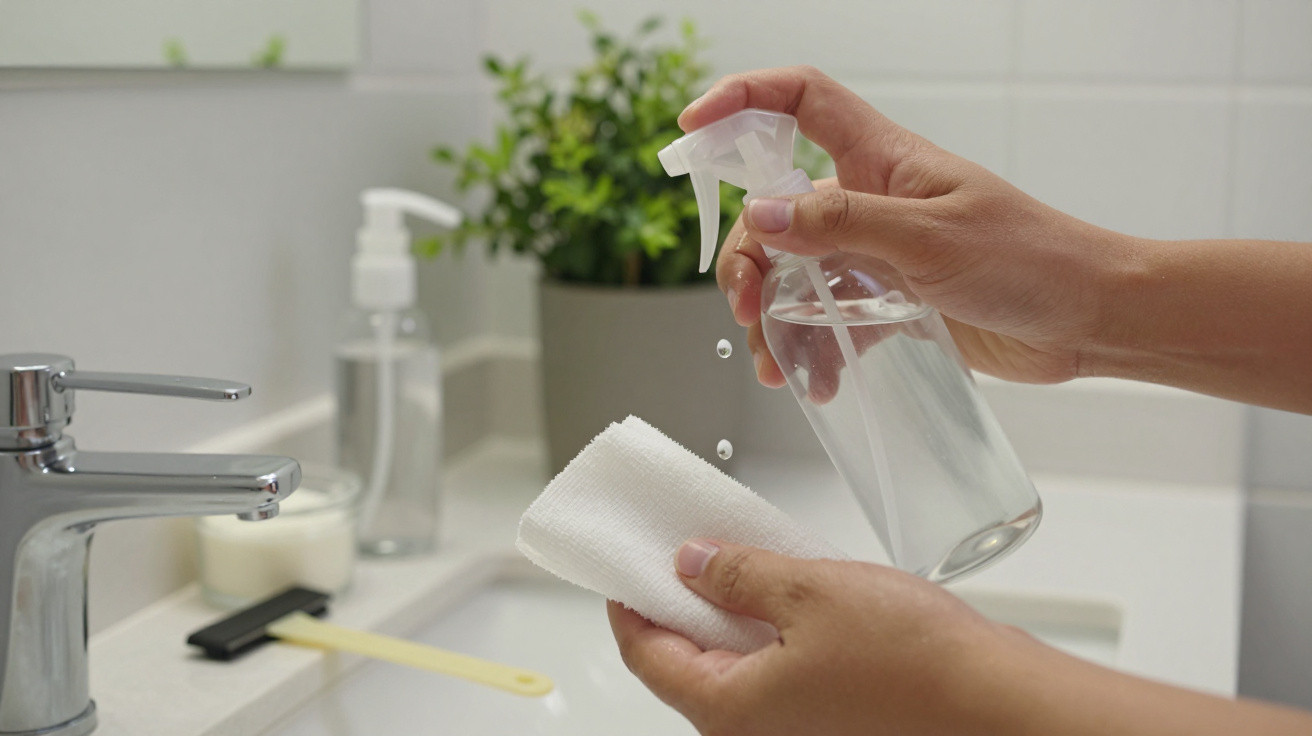
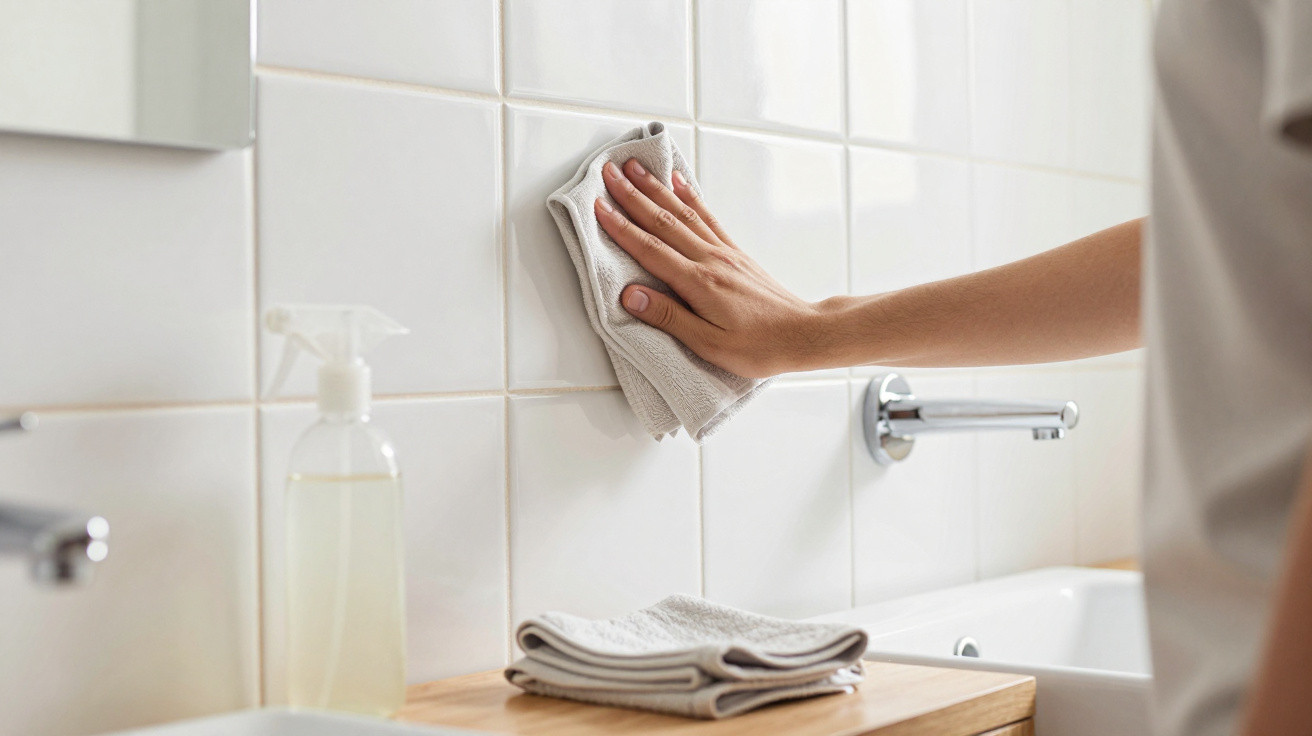
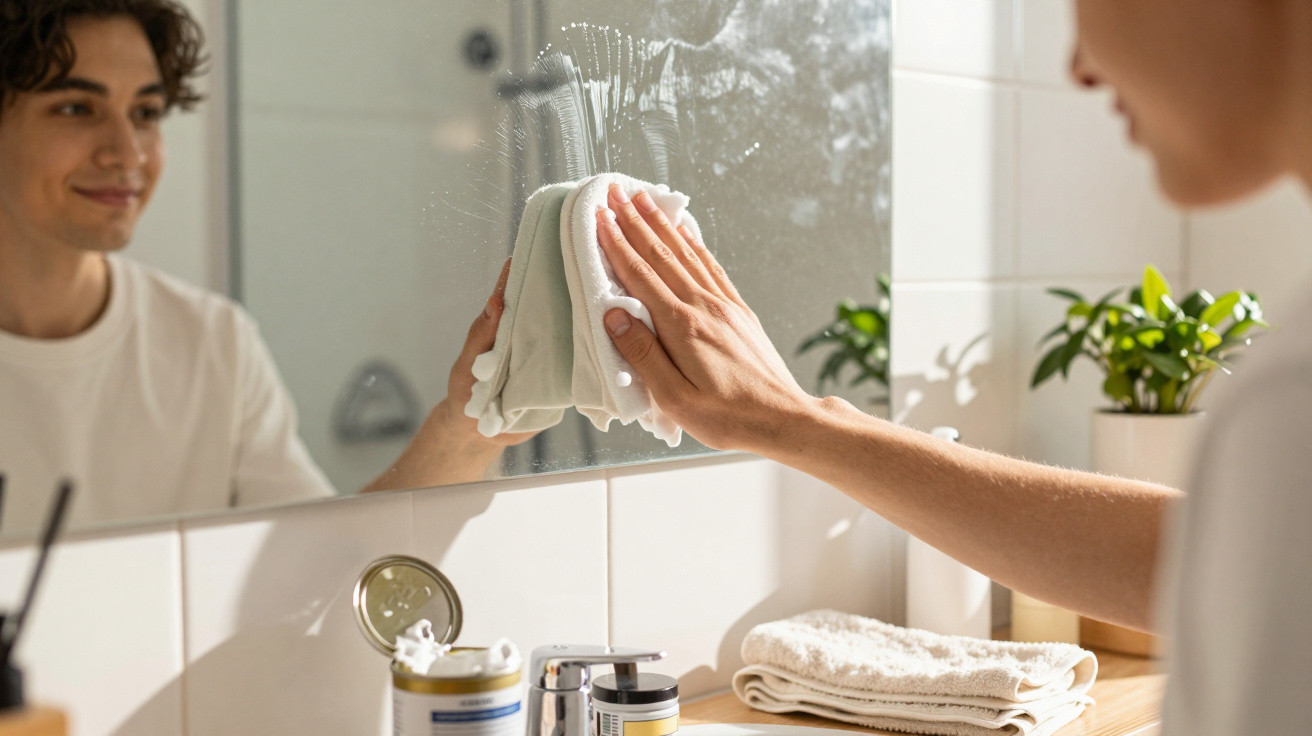
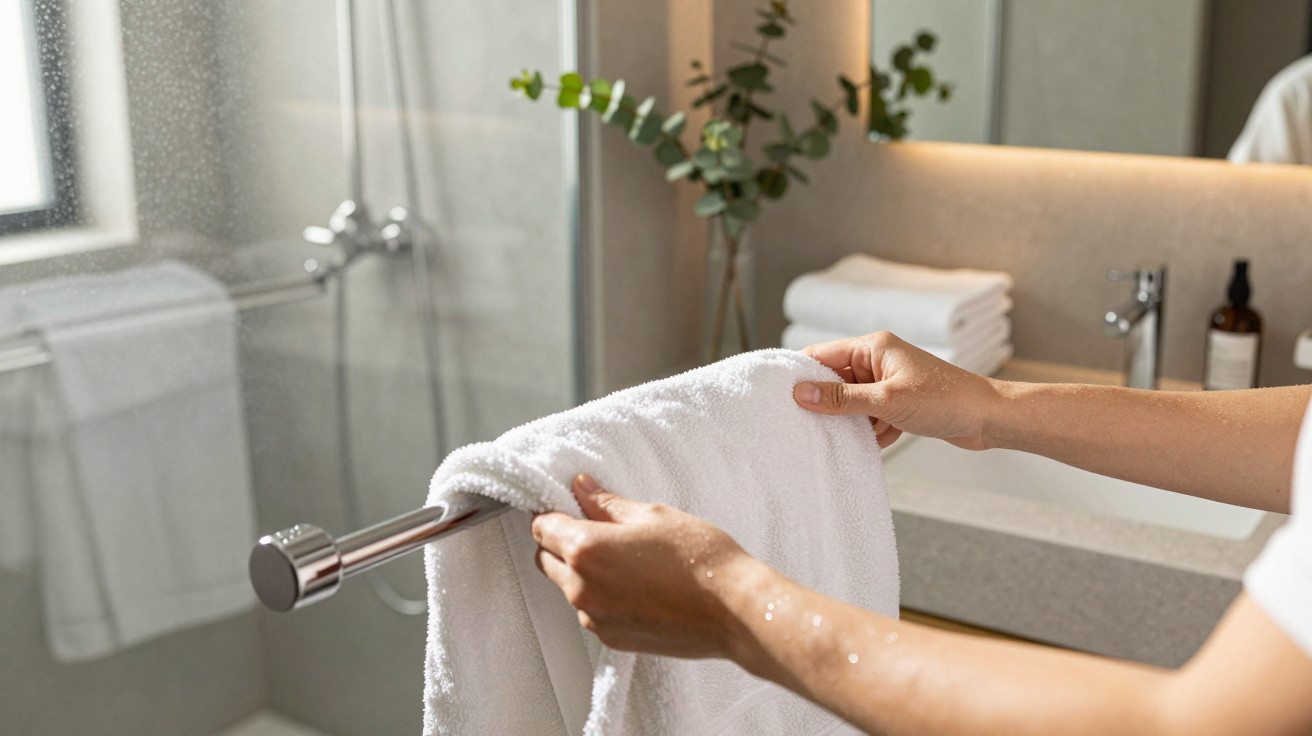
Small droplets and a fine film of water remain even after squeegeeing. This is where a second, equally simple action is useful: quickly wipe along the silicone lines with a dry cloth or microfibre cloth.
This removes the final traces of water. The silicone can “breathe” again and dries through much more quickly. Keeping a dedicated bathroom towel or an old kitchen towel nearby means there is no need to search for one.
The daily mini-routine after showering often takes less than half a minute – and can save hours of labour-intensive mould removal later.
How the effort pays off over time
People who dry their seals every day will usually notice visible differences after just a few weeks:
- silicone stays white for longer rather than becoming yellowish or grey
- black spots appear less often, or no longer appear at all
- the typical “damp-room smell” disappears
- the whole shower area looks fresher and better cared for
There is also a financial benefit. When seals become mouldy or porous, they often need replacing. New silicone seals in a shower area can easily cost a three-figure sum, depending on its size and the tradesperson involved. Keeping the area dry can postpone this work by years.
What happens when this step is ignored long term?
Many households rely solely on powerful cleaners used weekly. These may remove visible marks in the short term, but they rarely provide a lasting solution. If the shower stays wet for hours every day, mould will generally return quickly.
Over a longer period, this can lead to:
- silicone deteriorating from within, becoming brittle and cracked
- water penetrating seals and building components, causing hidden moisture damage
- tiles becoming loose and underlying materials swelling
- costly refurbishment work becoming necessary, often far more expensive than simply replacing the seals
In rented accommodation, tenants may even end up in a dispute with their landlord if the damage is classed as “insufficient ventilation and maintenance”. A clear daily drying routine can help prevent such discussions.
Further ways to improve the bathroom climate
The seal-drying routine is even more effective when the room conditions support it. Experts recommend several simple measures:
- air the room immediately after showering by opening the window wide
- keep the door to the hallway closed where possible, so moisture does not spread through the home
- do not turn radiators off completely in winter, otherwise nothing will dry
- spread shower curtains out instead of bunching them together, allowing them to dry faster
Anyone without a bathroom window should leave the extraction system running for as long as possible, or open the door while airing other rooms at the same time. A small portable hygrometer shows how humidity levels are changing – the target after airing is well below 60 percent.
Cleaning: gentle, regular and without harsh chemicals
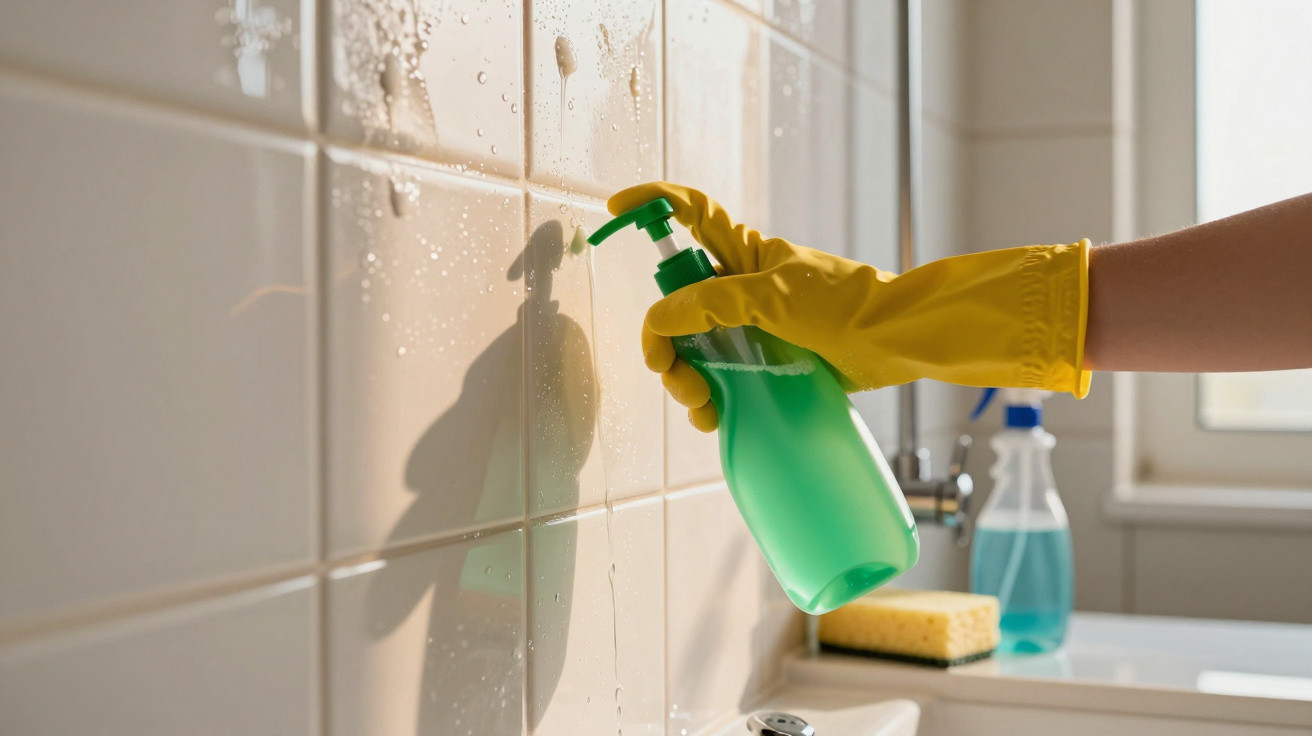
Daily drying does not eliminate the need for all cleaning, but it greatly reduces the need for aggressive products. Mild cleaners are often enough for standard maintenance:
- diluted vinegar cleaner for limescale deposits
- gentle bathroom cleaner for soap residue
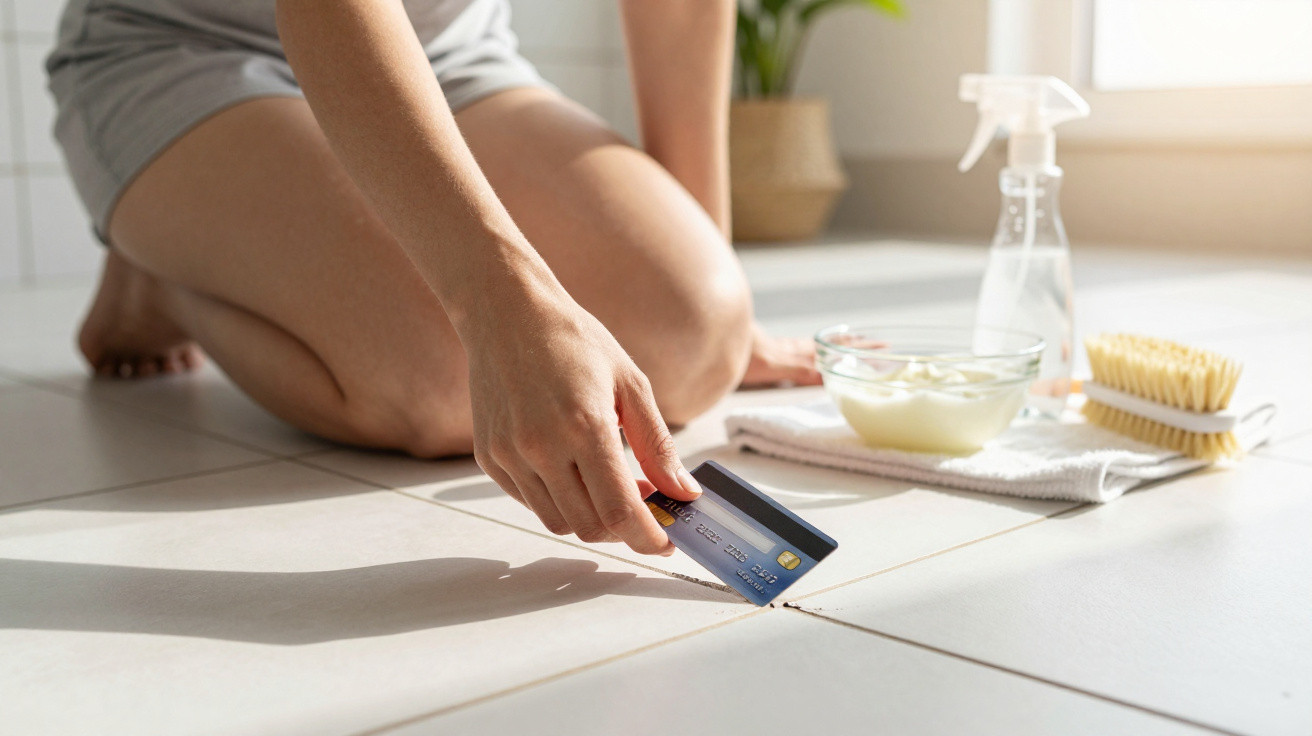
- a soft brush or sponge for the joins between tiles and silicone
When the area is kept generally dry, less dirt sticks to it and many stains never form in the first place. Strongly chlorinated products and mould removers will then only be needed rarely – a benefit for both indoor air and skin.
When seals really need to be replaced
Some silicone seals are already so badly damaged that routine care is no longer enough. Typical warning signs include:
- deep cracks or gaps in the silicone
- brown or black discolouration that cannot be wiped away
- crumbly or very sticky surfaces
- visible water behind glass screens or tiles
In these cases, complete removal and resealing is usually the only solution. Starting daily squeegeeing and drying immediately afterwards will significantly extend the lifespan of the new seals.
Why this small action makes such a major difference
The appeal of this drying routine lies in its simplicity. It requires no specialist equipment and no extra cleaning session – just one quick action at the already-wet moment after a shower. Many people underestimate how much one small step, repeated consistently, can affect hygiene.
At its heart is a physical principle: bacteria and fungi need water for their metabolism. Removing that basis as quickly as possible slows their growth. Less moisture means fewer mould spores, less odour and less strain on the respiratory system.
A few seconds spent on the seals each day often determines whether the bathroom remains a fresh, comfortable space – or slowly turns into a hidden mould zone.


Comments
No comments yet. Be the first to comment!
Leave a Comment